
IMIO, a startup that makes biologicals to break down crop residue and release the nutrients in it for the next crop, has raised a $12 million seed round, taking its total funding to $16.5 million. Sofinnova Partners led the round, with Chipotle's Cultivate Next venture fund, Starshot Capital, Grow Together Salinas, Earth Foundry and Serra Ventures taking part. The money will pay for a larger team, more production capacity and a new biomanufacturing and research facility in Chicago.
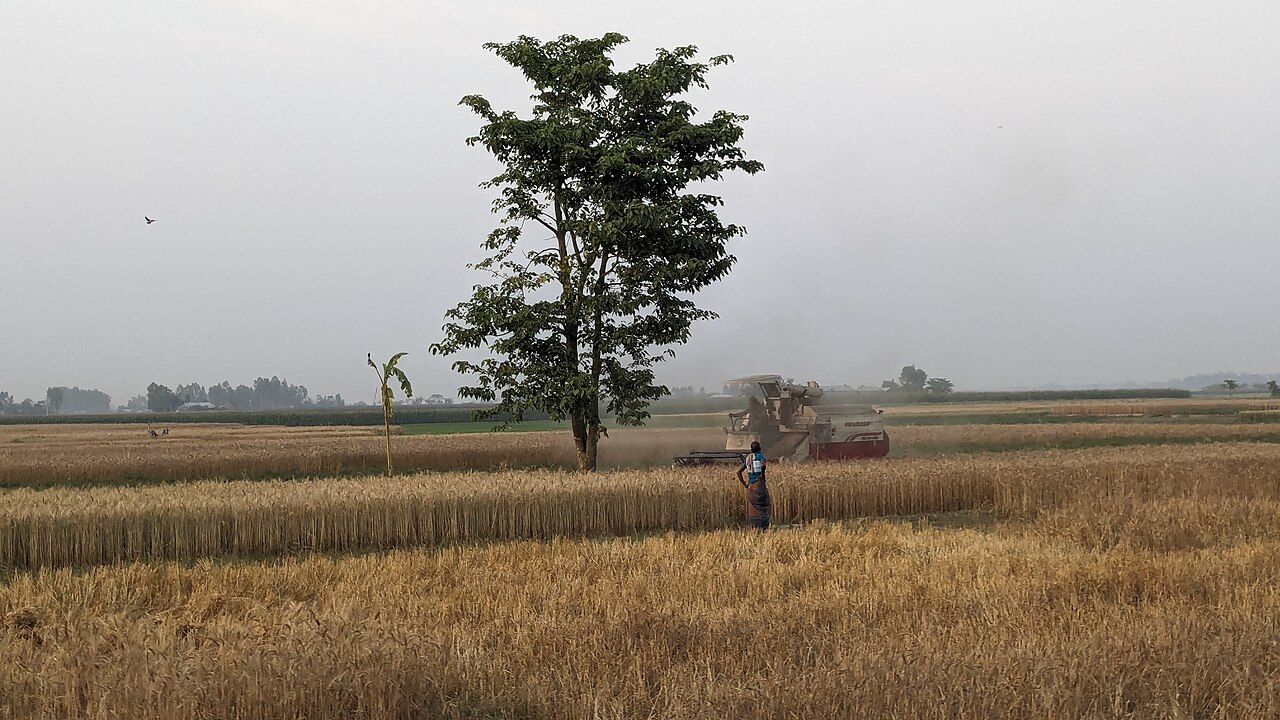
The problem IMIO targets is the residue left after harvest. Founder and chief executive Charles Smith said an acre of corn stover holds about $134 worth of nitrogen, phosphorus and potassium, and that residues of some specialty crops such as broccoli are worth more. Residue decomposes on its own, but slowly, and Smith said modern corn varieties with more lignin, and practices that reduce soil fungi, make it harder to break down.
Rather than trying to establish microbes in the soil, where they compete with the existing population, IMIO's products, Re-Gen for Row Crops and Re-Gen for Produce, put highly concentrated, naturally occurring and non-GM microbes directly onto the residue. Each strain is grown separately, freeze-dried, blended in fixed ratios and shipped as a powder with a shelf life of more than 12 months, which farmers mix with water before spraying, usually in spring around planting.
Freeze-drying is gentler than heat-based spray-drying, Smith said, and some of the company's lignin-degrading fungi would not survive the heat. Besides its own Chicago plant, IMIO uses a fermentation partner in South Dakota that runs its protocol on site without seeing the details.
In university and on-farm trials over more than 10,000 acres in the US Midwest in 2024 and 2025, the company reports an average corn yield gain of 11.9 bushels per acre, ranging from 5 to more than 20 depending on residue levels and management. It says the product can also save tillage passes. One customer, Kirk Stueve, who farms in Minnesota and Wisconsin, said a treated 140-acre corn-on-corn field beat its yield record by 36 bushels per acre while he cut his nitrogen bill by $45 to $50 an acre.
IMIO was founded in Vermont in 2019, first to speed up composting, and has sold on a small scale for a couple of years. It now has 100 customers and is moving from direct sales to distributors, with Chipotle linking it to growers of broccoli, Brussels sprouts and lettuce. Smith said consistency has been the main barrier to farmers trusting biologicals, and that the company's mode of action is meant to address it. The trial figures are the company's own.
The report is by Elaine Watson for AgFunderNews.
Source: AgFunderNews


Comments
(0)