
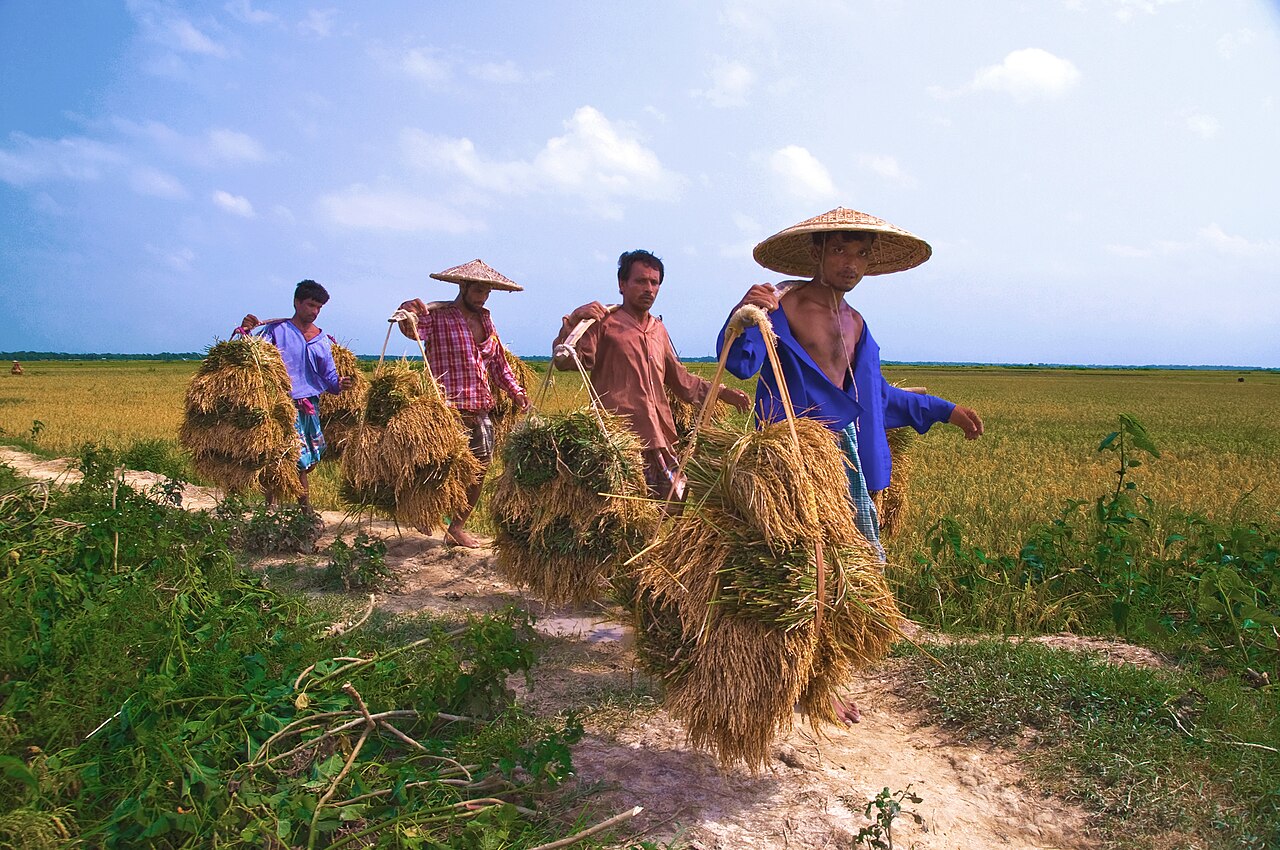
The Government of Bangladesh and the International Fund for Agricultural Development (IFAD) have launched two investments worth a combined $324 million to strengthen climate resilience, rural livelihoods and food systems, IFAD said from Dhaka on 9 October. Together they aim to reach 2.5 million people.
The $112 million Climate Resilience and Livelihood Enhancement Project (CRALEP), backed by Denmark, will be implemented by the Local Government Engineering Department (LGED) in the flood-prone haor and drought-prone High Barind regions. Over six years it aims to reach 1.45 million people in 33 upazilas, improving village roads, rural markets and boat landings. In the haor it will add raised shelters for people and harvested crops, nature-based protection against erosion and flash-flood early warning, with drought forecasting in the Barind. Its financing is $70 million from IFAD, a $10 million Danish grant and about $31.75 million from the government.
The $212 million Growth for Climate Resilient and Environmental Entrepreneurship and Nutrition (GREEN) project will be run by PKSF under the Financial Institutions Division across haor, coastal, Barind and char areas. Over six years it aims to reach more than 250,000 rural households with finance, technical help, green technologies and market links, safer and more nutritious food and lower post-harvest losses. It includes $51.4 million in IFAD financing.
"These two investments address connected priorities for rural development: infrastructure that withstands climate shocks and the finance, skills and market opportunities to build more secure livelihoods," said Moslema Naznin, wing chief at the Economic Relations Division. Valantine Achancho, IFAD's country director, said both are designed to give women, young people and rural families stronger foundations.
IFAD and Bangladesh have worked together since 1978 on 39 projects worth about $4.9 billion, including $1.1 billion of IFAD's own funds, reaching 11.7 million rural households.
Photo: Balaram Mahalder / Wikimedia Commons (CC BY-SA 3.0)
Source: IFAD
Comments
(0)