
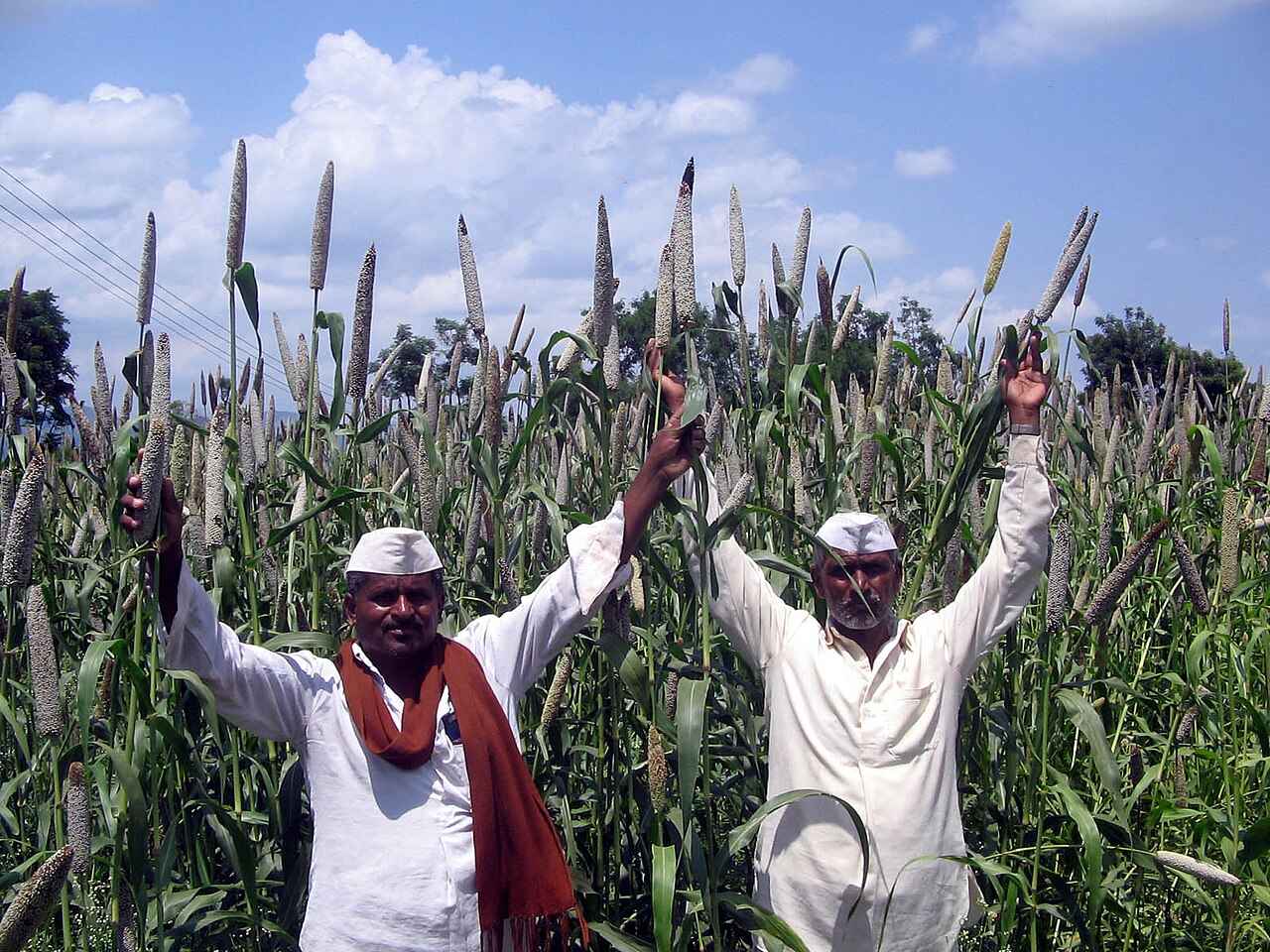
Eighty scientists from public research bodies and private seed companies in India, Africa, Japan and other regions gathered at ICRISAT on 12-13 October to evaluate and pick advanced pearl millet breeding material, the institute said in a release on 31 October.
The biennial Pearl Millet Scientists' Field Day showed 16,000 plots of breeding material, including 8,000 B lines, 8,000 R lines and 2,000 forage lines. Participants scored traits linked to drought and heat tolerance, disease resistance, early maturity, better grain quality and fodder value. Lines with higher protein, brown midrib (bmr) traits and sweet stalks were also assessed, since they open uses in food, feed and biomass markets.
The event came shortly after ICRISAT and the Indian Council of Agricultural Research (ICAR) released RHB 273, which they describe as the world's first three-way pearl millet hybrid. It was developed for India's low-rainfall A1 zone and combines grain productivity, drought tolerance and good fodder quality.
Opening the field day, ICRISAT Director General Himanshu Pathak stressed research that answers farmers' needs and changing markets. SK Gupta, principal scientist for pearl millet breeding, said feedback from the 2024 field day had guided work on grain colour, drought tolerance, blast resistance and forage quality. Raman Babu, who directs ICRISAT's accelerated crop improvement programme, pointed to the Hybrid Parents Research Consortium, through which seed companies take part in hybrid development.
Participants recommended shorter, early-maturing parent lines that lodge less and suit mechanised harvesting, which could cut labour costs. ICRISAT says it has used forward and shuttle breeding to produce better-adapted material for drought-prone areas, and the work sits within MAHARISHI, the international research initiative on millets and other ancient grains run with ICAR and industry partners.
For dryland farmers, the aim is varieties and hybrids that yield more, earn better prices and give better fodder for livestock in India, Africa and other dry regions.
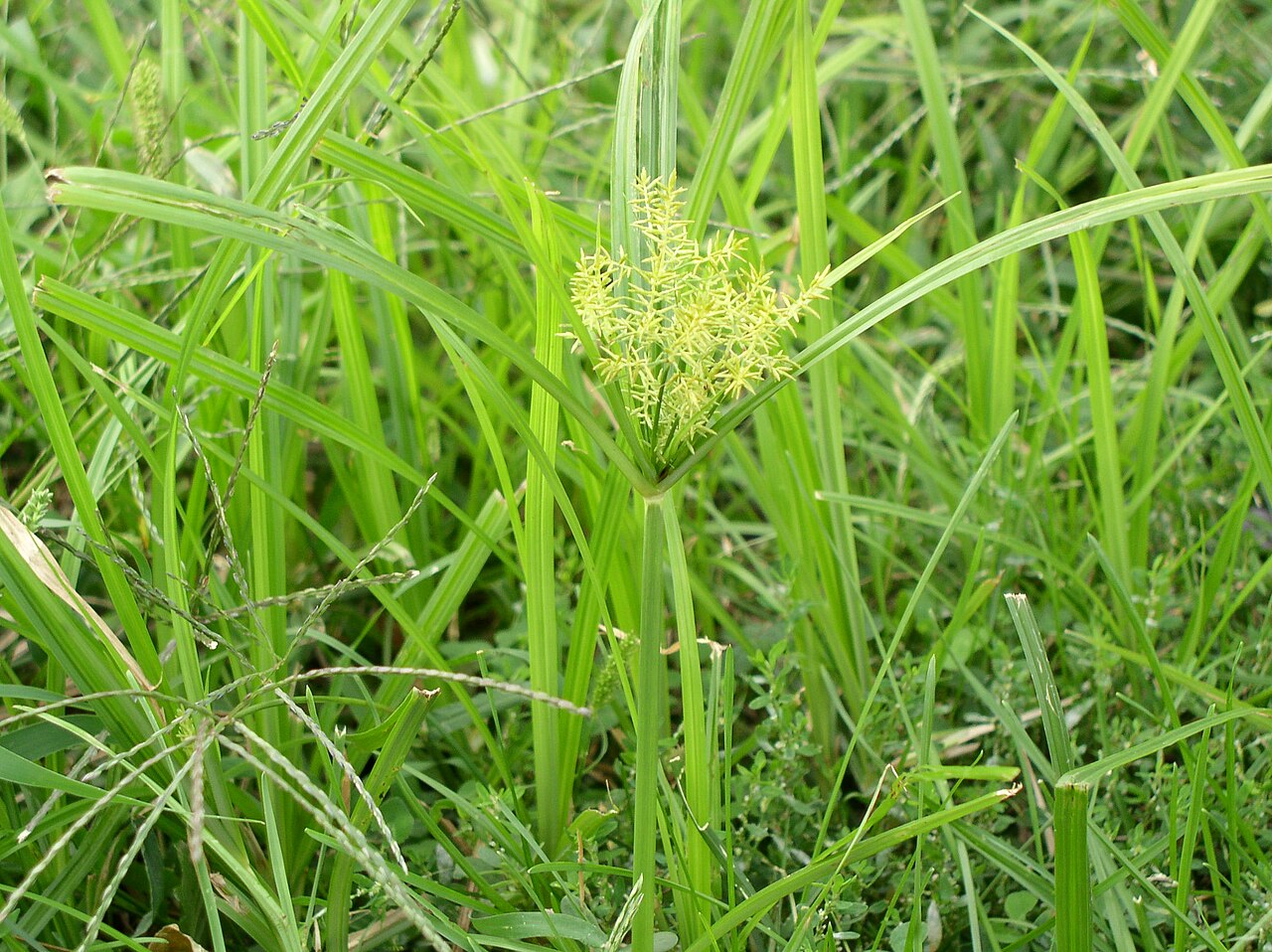
Photo: लोकपंचायत संगमनेर (Lokpanchayat Sangamner) / Wikimedia Commons (CC BY-SA 4.0)
Source: ICRISAT
Comments
(0)