
US crop insurance harvest prices for 2026 have settled at $4.75 a bushel for corn and $12.63 for soybeans, both above the spring guarantees of $4.62 and $11.09, Chris Clayton reported for DTN on 30 October.
The harvest prices are a rolling average through October of the closing prices of the December corn and November soybean futures contracts. Grain markets fell for most of October, with December corn and November and January soybeans posting only a handful of positive sessions. DTN lead analyst Rhett Montgomery said the sell-off was driven partly by USDA reports in late September and early October that added about 400 million bushels to projected US corn supplies, with falling wheat futures adding pressure. Prices are still stronger than in early August, which was not the case last year.
Revenue protection policies use the higher of the projected or harvest price, multiplied by the farm's actual production history yield and the chosen coverage level, unless the farmer opted out of the harvest price to lower premiums. Under these policies an indemnity generally requires actual revenue to fall below that guarantee. "I guess what it really means for producers is that any sort of indemnity payment would have to come from a yield loss this year with the higher price," Montgomery said.
According to Risk Management Agency data, the guarantees apply to about 88.7 million acres of corn and 80.4 million acres of soybeans, less than planted area because some farmers do not take part in the federal programme. It is the first year since 2022 that the corn harvest price has beaten the spring price; for soybeans the last time was 2021, when November futures ended at $12.30. Montgomery said harvest prices finishing above spring prices has happened only three times for corn and twice for soybeans in the previous nine years. The record remains 2012, when drought pushed fall guarantees to $7.50 for corn and $15.39 for soybeans.
On demand, the report noted that China agreed on 30 October 2025 to buy 25 million metric tons of US soybeans for the 2026-27 crop; its new-crop purchases stand at 15 million tons, according to USDA. Montgomery said markets look technically oversold and he remains cautiously optimistic about a post-harvest recovery, particularly for soybeans if export demand holds.
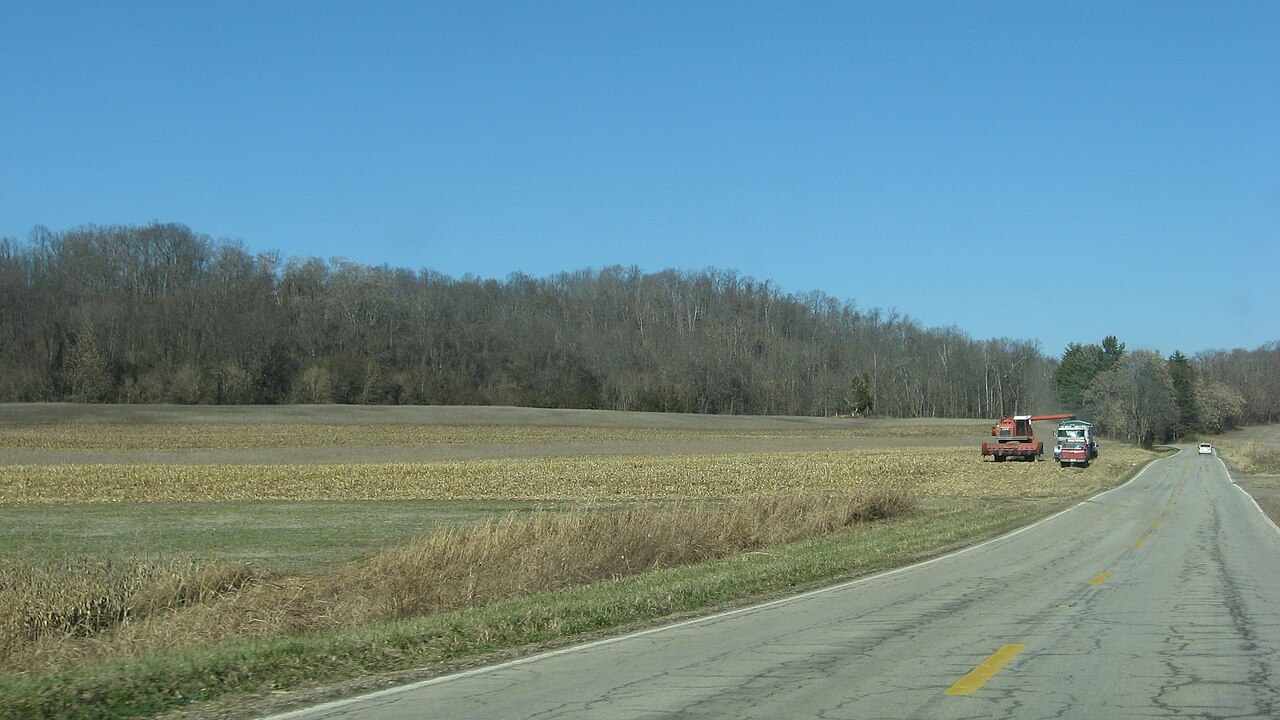
Photo: Nyttend / Wikimedia Commons (Public domain)
Source: DTN / Progressive Farmer

Comments
(0)