
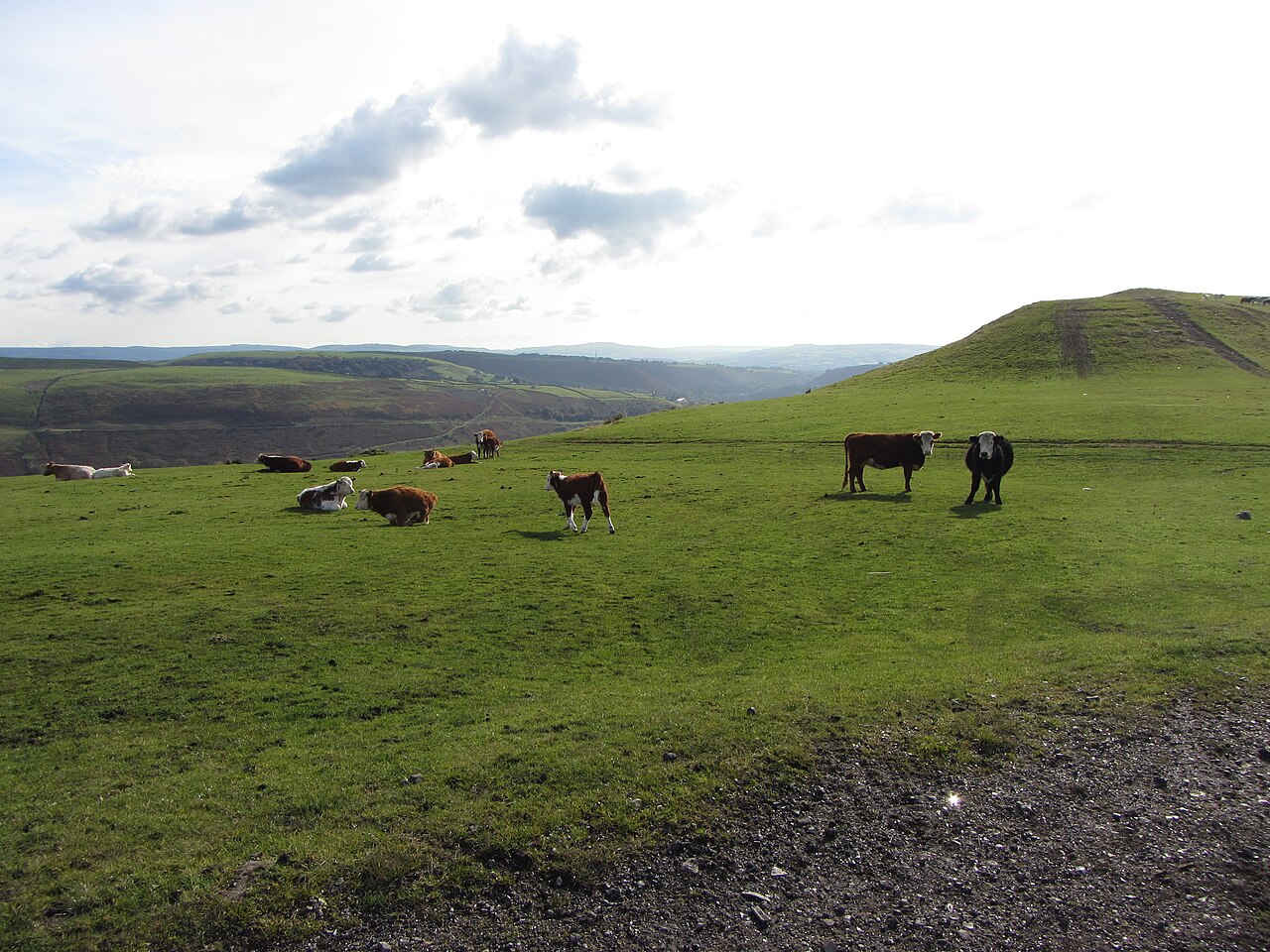
Farmers, processors and a supermarket said Britain's beef and lamb sector needs to share more value along the supply chain to stay resilient, at a Beyond The Farmgate visit to Kepak's meat processing plant in Merthyr Tydfil, South Wales. More than 50 farmers and industry stakeholders attended.
Visitors were told that price and appearance now dominate what shoppers buy. Provenance still matters, but concern about environmental credentials has faded as household budgets tighten. "When you really observe what the consumer does rather than ask them, they think about two things: price and how it looks," said José Peralta, chief executive of the Welsh red meat levy body Hybu Cig Cymru. He said beef and lamb increasingly compete with cheaper chicken, though support for locally produced meat has grown stronger.
Beef farmer and Kepak supplier Richard Roderick warned that falling cattle and sheep numbers could threaten processors' viability. Wales has three good processors, he said, and losing one would leave farmers with less choice. The industry also needs profitable family farms to attract younger people.
Tom Finn, chief executive of Kepak's meat division, said affordability does not have to mean cheap; it means what a shopper sees as value. Processors and retailers spend heavily on new products, he said, but about 80% fail to reach the market successfully. He expects demand for protein to stay strong, and said health trends and the spread of GLP-1 weight-loss drugs could open room for smaller portions and high-protein products.
The strongest warning was about imports. Mr Finn called cheaper beef from Australia, New Zealand and South America the biggest challenge facing the UK sector: British farmers might need £6 to £6.50/kg for a sustainable return, while Australian and New Zealand beef could enter the UK at about £4/kg. "It's really important that the retailers support British farming," he said.
Tom Atkins, agriculture manager at Tesco, said every link, from farmer to processor to retailer and consumer, depends on the others. Tesco is working with farmers, processors and the Agriculture and Horticulture Development Board (AHDB) to improve on-farm sustainability and make products more appealing to customers.
Photo: Gareth James (cattle on Merthyr Common) / Wikimedia Commons (CC BY-SA 2.0)
Source: Farmers Weekly


Comments
(0)