
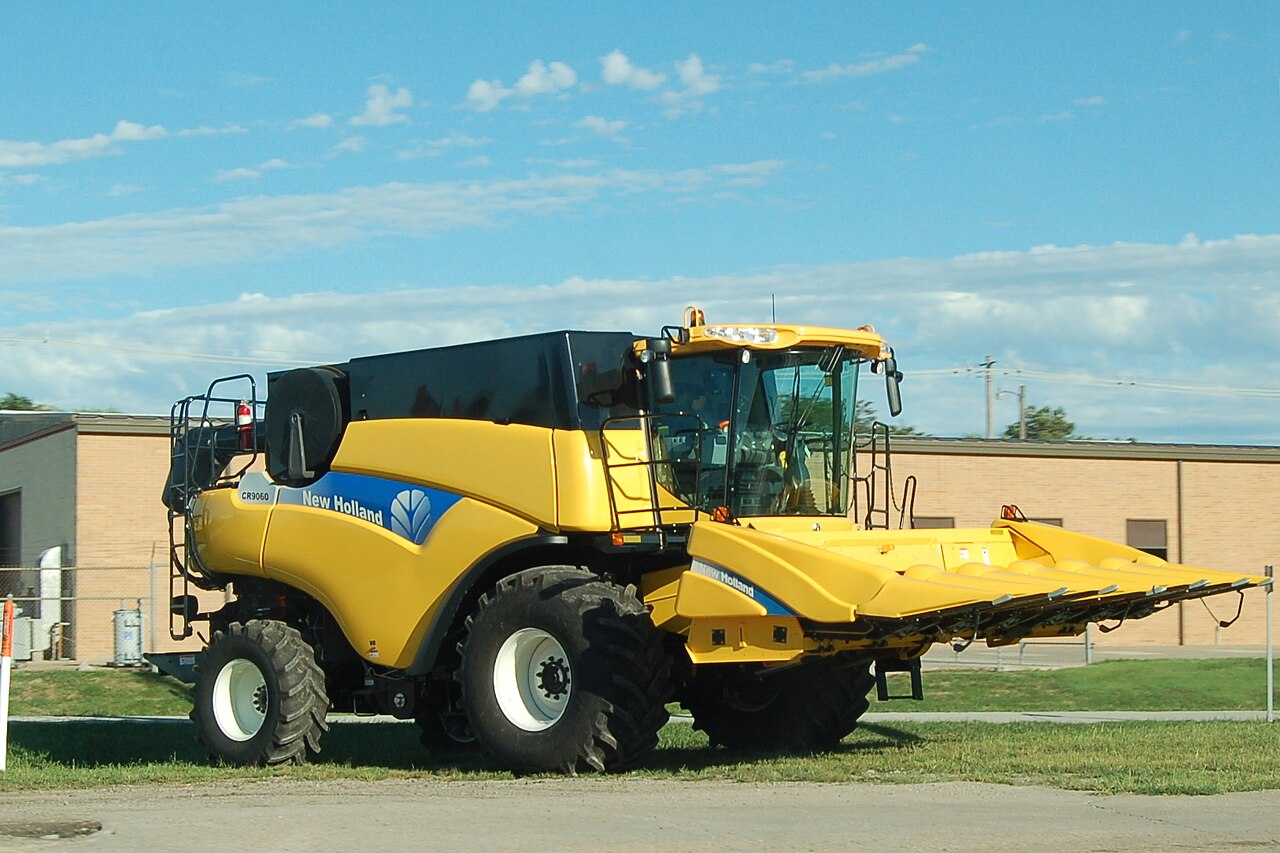
The National Corn Growers Association (NCGA) has condemned a data processing error in the US Department of Agriculture's September crop report, which its leaders say hurt grain markets at the worst possible time for Midwest producers, Michigan Ag Today reports.
On 23 October USDA's National Agricultural Statistics Service (NASS) acknowledged that a technical processing error had corrupted September corn plant populations, ear counts, yields and production data for Kansas and Nebraska, and distorted the 10-state Midwest averages and the national yield forecast. NASS corrected the September figures, raising Nebraska's September yield estimate from 177 to 182 bushels an acre and the US average from 178.5 to 178.8 bushels, but said its 9 October forecast of a 181.2-bushel national average and a 16-billion-bushel crop had been reviewed, validated and remains unchanged.
"Recent reports by NASS have cost corn growers BILLIONS of dollars in market value, at a time when profit margins were already marginal, at best, and the cost for fuel and other inputs are at all-time highs," said NCGA president Matt Frostic, a Michigan farmer, adding that an error of this size "only further erodes farmer confidence" in the agency's reports. He asked NASS to examine the processes behind the mistake and said the association wants to meet the agency to hear its plans.
The correction reframes much of October's market-moving increase. Nebraska's yield had first been reported as jumping 11 bushels in a month, from 177 to 188; against the revised September baseline of 182, the gain is 6 bushels. The sell-off that followed the October numbers has not been undone, and with the national crop still forecast above 16 billion bushels, futures remain depressed and elevators in the Eastern Corn Belt are offering weak cash bids.
Growers in northern Indiana and Michigan's Thumb, where many fields yielded average or slightly below, are squeezed between low prices and high seed, fertiliser and fuel costs, and are weighing whether to sell off the combine at a discount or pay for storage into winter. NASS said it is exploring more technology and automation to prevent future calculation mistakes.
Photo: Katrina Wiese / Wikimedia Commons (CC BY-SA 2.0)
Source: Michigan Ag Today

Comments
(0)