
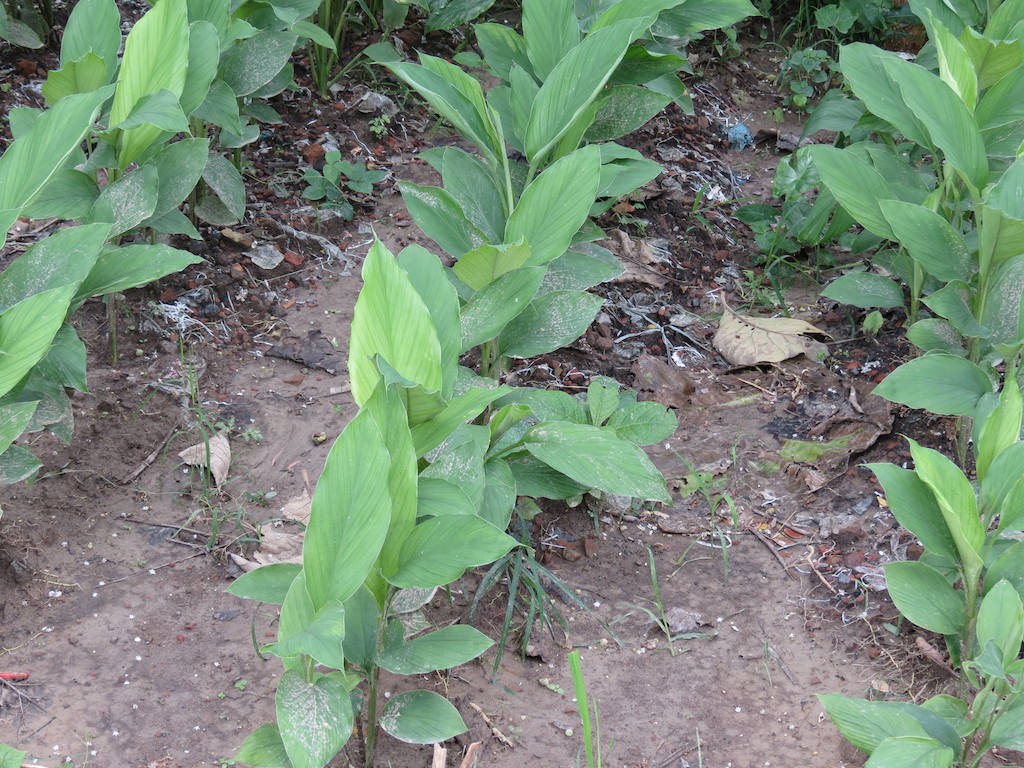
Ichhakhali in Rangunia, Chattogram, is busy with raw turmeric being sun-dried, sorted and bagged. Hundreds of workers are on the job, eight to ten at each spot, and turmeric from the hills leaves here for the rest of the country.
Rangunia has some turmeric of its own, but most comes from remote markets in Rangamati, Khagrachhari and Bandarban. About fifty seasonal traders from the upazila buy it in Kaptai, Bilaichhari and Farua and bring it down by truck. Upazila agriculture officer Mohammad Belal Hossain said Rangunia has 75 hectares under turmeric, grown by local farmers mainly for their own use.
Abdul Haque, a trader for 27 years, said the main season runs from the Bengali months of Poush to Boishakh. Turmeric spends four to five days at Ichhakhali being dried and sorted before going to wholesalers. A trader can put in Tk 6 million to 7 million in a season.
By trader Md Nurul Islam's figures, the Pabna variety is bought at Tk 130-150 a kilogram and sold at Tk 220-250, and the thick variety bought at Tk 120-130 and sold at Tk 200-220. Processing and transport add Tk 8-10 a kilogram. The spice goes to wholesale markets in Dhaka, Cumilla and Khatunganj, and spice companies buy directly as well.
Bashir Ahmed, a grower in Ichhamati, said favourable weather gave a better crop than in other years and prices are fair, so many farmers are turning to turmeric over other crops. Worker Khurshid Alam said the warehouses give people three to four months of steady work.
Traders say government support and modern cold storage would let the business grow and export. Belal Hossain said the local member of parliament has spoken to him about building a cold store and told him he has also raised it with the agriculture minister.
Photo: Malcolm Manners / Wikimedia Commons (CC BY 2.0)
Source: Banglanews24

Comments
(0)