
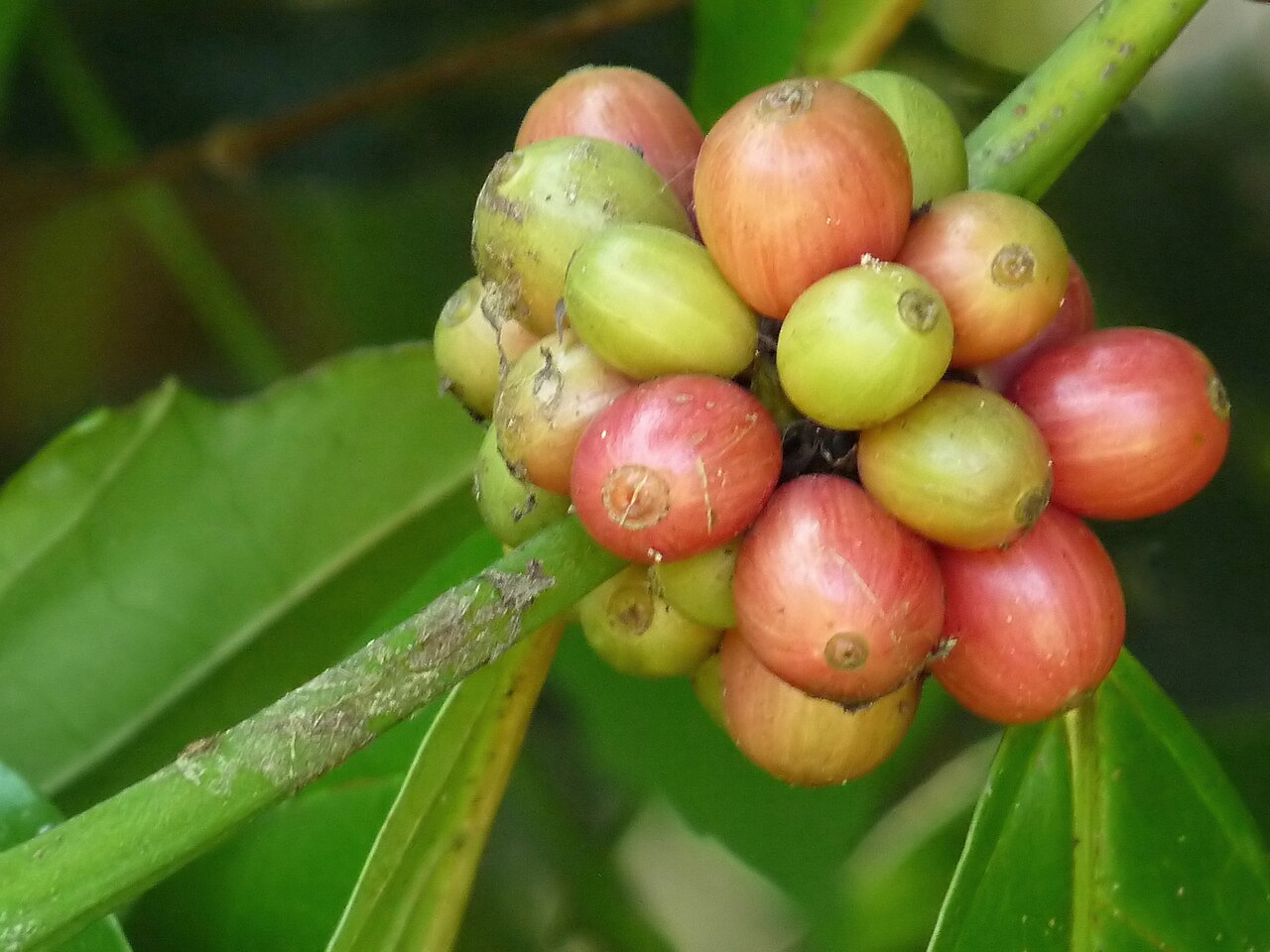
Coffee is a patient, careful crop that depends on the right climate and soil — and in Bangladesh's hills it is beginning to take hold.
The right place
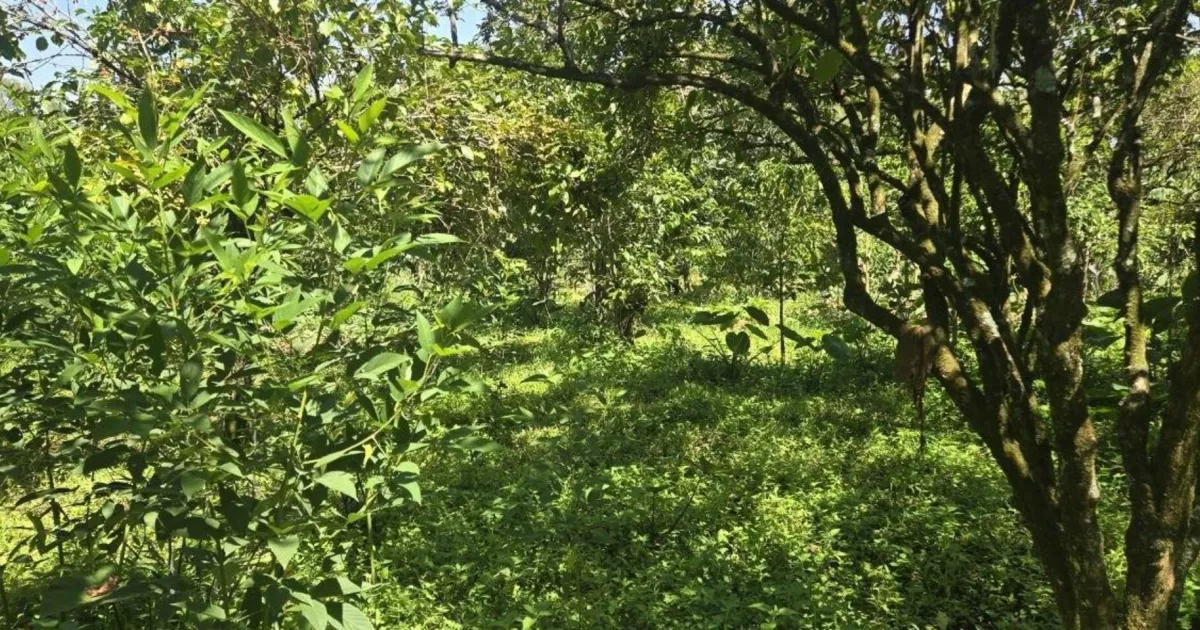
A temperature of 18–24 °C, cool and shaded; fertile loam or sandy loam that does not waterlog, pH 5.5–6.5; an altitude of 600–1,200 m.
From seed to tree
- Seed: good Arabica or Robusta seed, soaked 24 hours before sowing.
- Nursery: a mix of loam, compost and sand; seed sown 2 cm deep; kept watered and shaded.
- Land: cleared of weeds, manured, with pits 2 m apart.
- Planting: seedlings of 8–12 months, one per pit, firmed in well.
- Care: regular water in the dry season; pruning for shape and yield; shade trees; organic and mineral fertiliser twice a year.
- Disease and pests: fungicide against coffee rust and blight; insecticide against leaf and berry pests.
- Harvest: from the third or fourth year, red ripe cherries picked by hand or machine, pulped and sun-dried.
The world's producers
Brazil grows 30–40 per cent of the world's coffee, both Arabica and Robusta, in Minas Gerais, São Paulo and Paraná. Vietnam is second, mainly Robusta; Colombia, Indonesia, Ethiopia and Honduras follow.
Bangladesh
The Chittagong Hill Tracts — Bandarban, Rangamati, Khagrachhari — have the shade, the slope and the temperature; the northern hills of Sylhet have some of it. With good seed, training and a market, coffee could be the hills' next cash crop.
Photo: Robusta coffee cherries (Coffea canephora) — Jeevan Jose, Kerala, India / Wikimedia Commons (CC BY-SA 4.0)
Comments
(0)