
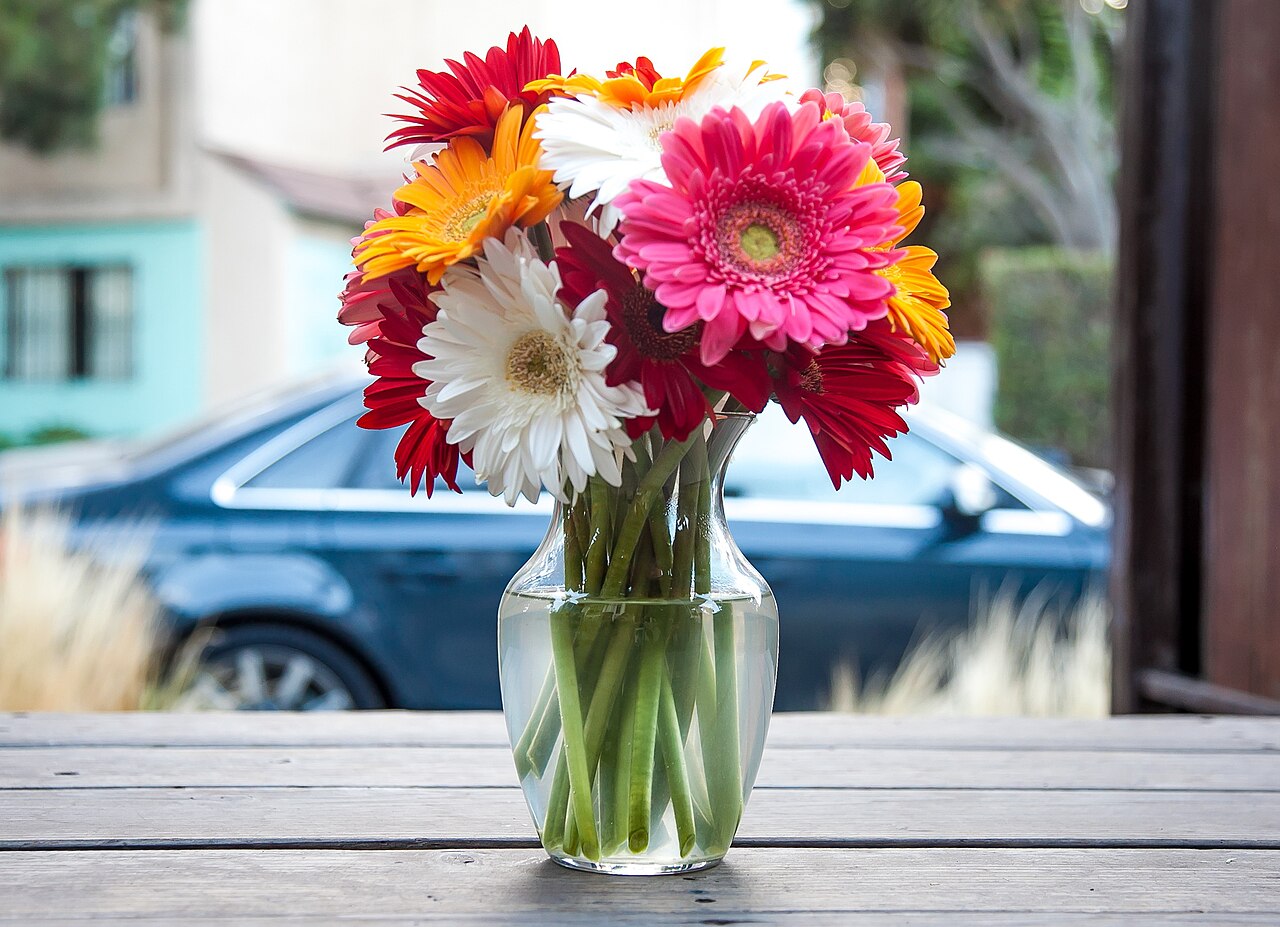
Joy, love, prayer or farewell: in almost every culture people reach for flowers at such moments. A flower lasts a short time but its language endures. A Dhaka Tribune report by Shubho Chandra Sheel draws on several institutions and studies to trace the custom.
In a report for the Cornell Botanic Gardens at Cornell University in the United States, researcher Sarah Fiorello describes how nineteenth-century writers in France, England and America built an elaborate "language" of flowers known as floriography. Open displays of emotion were frowned on in the Victorian era, so people turned to flowers to say what they felt.
Colour had meaning too. In Greek and Roman myth and in the medieval period, a red flower stood for intense passion, white for purity and purple for royalty and power.
Giving flowers on birthdays is centuries old as well. Citing the Spanish florist Flora Queen, the report says ancient Egyptians believed flowers had magical properties and offered them to the gods on special occasions. In ancient Greece people wore garlands of scented flowers to celebrate birthdays, as symbols of beauty and good fortune.
Flowers for the dead go back further. According to the UK's Bird and Flower Workshop, the earliest evidence of flowers at a funeral comes from a cave in Iraq, from about 62,000 BCE. In ancient Egypt, garlands of lotus and papyrus were laid on mummified bodies as a symbol of rebirth.
Certain flowers are favoured for mourning, among them chrysanthemums, white lilies, marigolds, gladioli, carnations, roses and orchids. In many countries, including Bangladesh, India, China and Russia, flowers and garlands are placed on graves. From welcoming a newborn to the occasions of city life, flowers stay at people's side.
Photo: David Condrey / Wikimedia Commons (CC0)
Source: Dhaka Tribune


Comments
(0)