
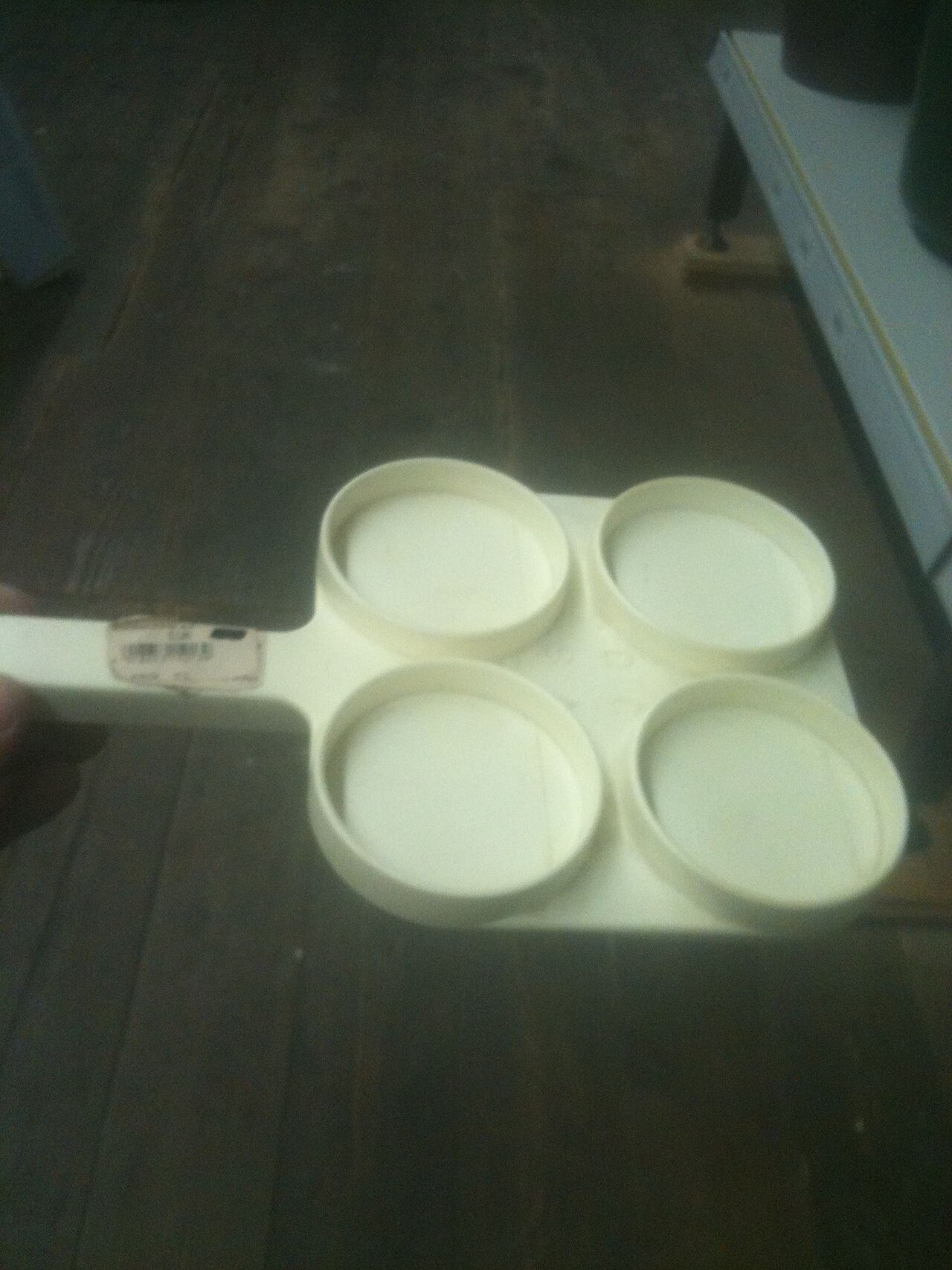
A dairy cow can look healthy and give normal-looking milk while carrying an udder infection. Researchers at the International Livestock Research Institute (ILRI) say this hidden, or subclinical, form of mastitis affects more than half of the dairy cows on many smallholder farms in Kenya, citing research from Kajiado County and the institute's recent findings.
Mastitis is an inflammation of the udder, usually caused by bacteria entering through the teat canal. The clinical form shows itself in swollen or painful udders, abnormal milk and lower yields. The subclinical form shows nothing while the bacteria keep damaging the udder: milk yield and quality fall, treatment costs rise and the infection can spread through the herd. For a family that lives on the milk of a few cows, even a modest loss matters.
The cost also reaches the climate. A cow that gives less milk still needs feed and energy to maintain her body, so the greenhouse gas emitted for each litre of milk goes up. ILRI's Mazingira Centre, working with the institute's Livestock, Climate and Environment and Health programmes, is studying how mastitis prevention links to dairy productivity and emissions intensity, and has produced material to help farmers detect and prevent the disease.
The screening tool it points to is the California mastitis test (CMT). A little milk from each quarter of the udder is mixed with the CMT reagent on a paddle. If the mixture stays liquid, the result is negative; if it thickens or turns to gel, the somatic cell count is high and that quarter may be infected. "Everything I knew about mastitis was clinical," said Margaret Wendo, a dairy farmer in Kiserian, Kajiado County, who found infected cows with no symptoms once she began testing routinely.
ILRI's advice is that a cow which tests positive but looks well should be screened regularly, with repeated positives taken to a veterinarian or animal health worker and a milk sample tested where possible. Clots or flakes in the milk, or a swollen, hot or painful quarter, point to clinical mastitis, and a cow that stops eating, runs a fever or struggles to stand needs a vet urgently. Where antibiotics are prescribed, the vet's drug, dose and duration and the milk and meat withdrawal periods should be followed.
Prevention is cheaper still. Washing hands before milking and between cows, a clean cloth for each cow, disinfecting teats before and after milking, and clean, dry housing, bedding and milking areas all cut the risk. "Preventing diseases that reduce productivity is one way of improving emissions efficiency without requiring major investments from farmers," said Endale Gurmu, a postdoctoral fellow at the Mazingira Centre. The ILRI article was written by Grace Oduor of the Mazingira Centre.
Photo: Blonder1984 / Wikimedia Commons (CC BY-SA 3.0)
Source: ILRI
Comments
(0)