
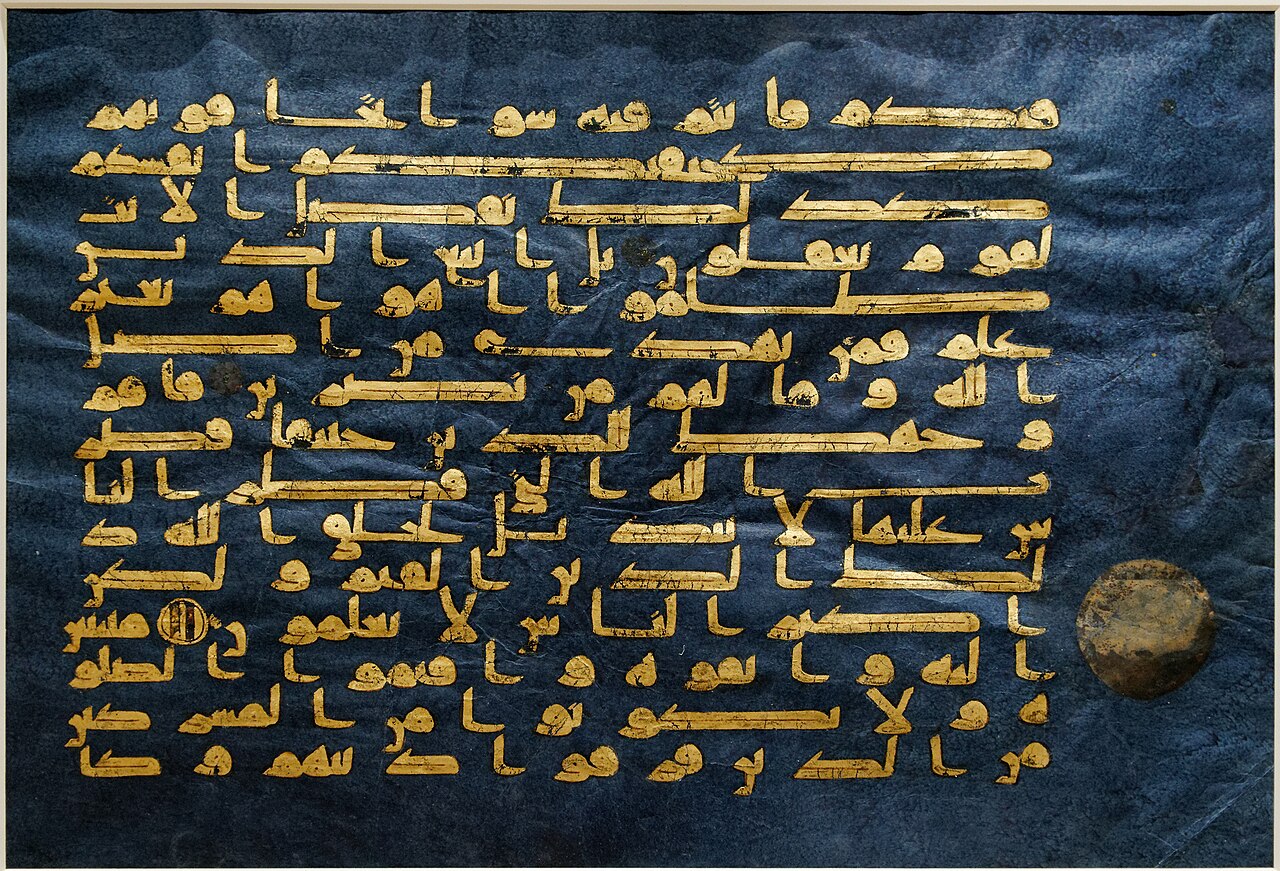
Is Islam only the formal rituals of prayer, fasting, zakat and Hajj, or a complete way of life that includes belief, conduct and preparation for the hereafter? Writing on Prothom Alo's religion page, Mahmud Hasan Fahim, a teacher at the Baitul Akram Mosque and Madrasa Complex in Gazipur, finds the answer in the Hadith of Jibril.
The companion Umar ibn al-Khattab narrated that one day, as the Prophet sat with his companions, a stranger in brilliant white clothes with jet-black hair arrived. He showed no sign of travel, yet no one knew him. He sat facing the Prophet and asked about Islam, iman, ihsan and the Hour. After he left, the Prophet told them it had been the angel Jibril, who had come to teach them their religion (Sahih Muslim, hadith 8).
Asked what Islam is, the Prophet named its five pillars: bearing witness that there is no god but Allah and that Muhammad is His messenger, establishing prayer, paying zakat, fasting in Ramadan and performing Hajj for those able. Imam al-Nawawi explained that Islam here means outward deeds, bodily worship and spoken affirmation.
On iman, the Prophet named six pillars: belief in Allah, His angels, His revealed books, His messengers, the Last Day, and divine decree, its good and its bad. In the writer's words, if Islam is the body, iman is its soul.
Defining ihsan, the Prophet said: "Worship Allah as though you see Him; and if you do not see Him, He surely sees you." The writer cites Ibn al-Qayyim, who said that this awareness drives out pride, neglect and showing off from worship. Asked when the Hour will come, the Prophet replied that the one asked knows no more than the one asking: only Allah knows.
Ibn Rajab al-Hanbali wrote that just as Surah al-Fatiha is called the "mother of the Qur'an", this hadith may be called the "mother of the Sunnah". Qadi Iyad noted that Jibril's neat dress, humble posture and precise questions also teach a student's manners. Religion, the writer concludes, is not a set of separate rituals but a union of belief, action and character.
Photo: a folio of the Blue Qur'an, Metropolitan Museum / Wikimedia Commons (CC BY 2.5)
Source: Prothom Alo

Comments
(0)