
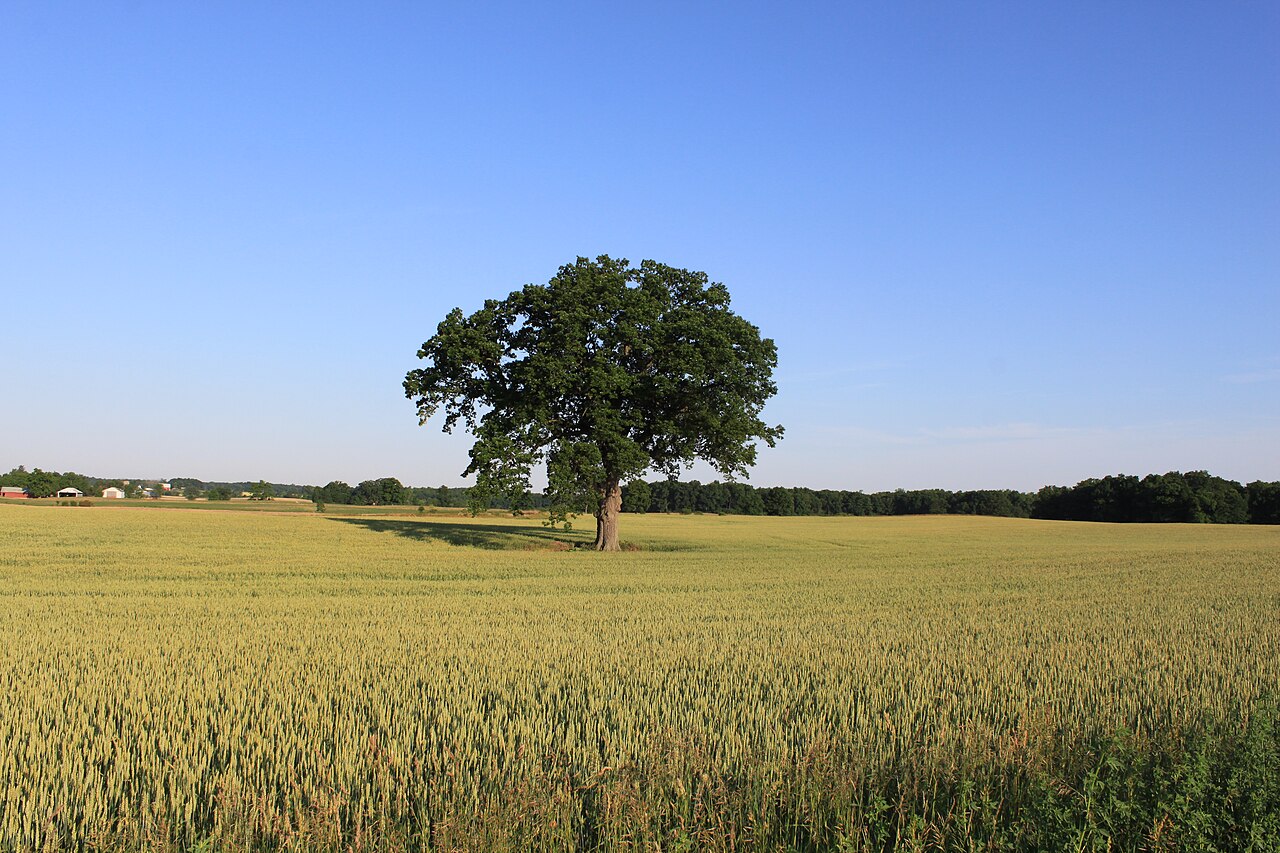
Ontario farmers have won both top awards in the Great Lakes Yield Enhancement Network (YEN) for the first time in the programme's history, as winners for the 2025-26 winter wheat season were announced. The network, now in its sixth year, encourages growers in Ontario and Michigan to use data, advanced crop management and shared learning to raise wheat yields.
Jeff Cook of Ontario recorded the highest yield, 163.2 bushels per acre, ahead of Ben Wilson of Carson City, Michigan, with 154.0 and Doug Suwyn of Wayland, Michigan, with 151.2. For the highest share of the field's estimated yield potential, Laurent Van Arkel of Ontario reached 108%, ahead of Ben Wilson and Dwight Bartle of Brown City, Michigan, at 98% each.
Participants averaged 112 bushels per acre despite weather, disease and insects. Dry weather delayed planting in places, but winter survival was generally strong. A cool, wet spring slowed crops and fieldwork, stripe rust was the main disease concern in Ontario, and cereal leaf beetle and true armyworm needed watching in some areas. Adequate moisture helped at flowering and grain fill, though heat cut yields in some fields.
"The weather is never perfect, but growers are learning how to adjust their management based on the results they receive on their farm during different growing seasons," said Dennis Pennington, wheat specialist at Michigan State University. Jody Pollok-Newsom, executive director of the Michigan Wheat Program, said six years of data are building a better picture of what drives high-performing wheat, and that comparing actual with potential yield shows where to improve.
Registration for the 2026-27 season opens soon and closes on 1 February 2027.
Photo: Dwight Burdette / Wikimedia Commons (CC BY 3.0)
Source: Farms.com
Comments
(0)