
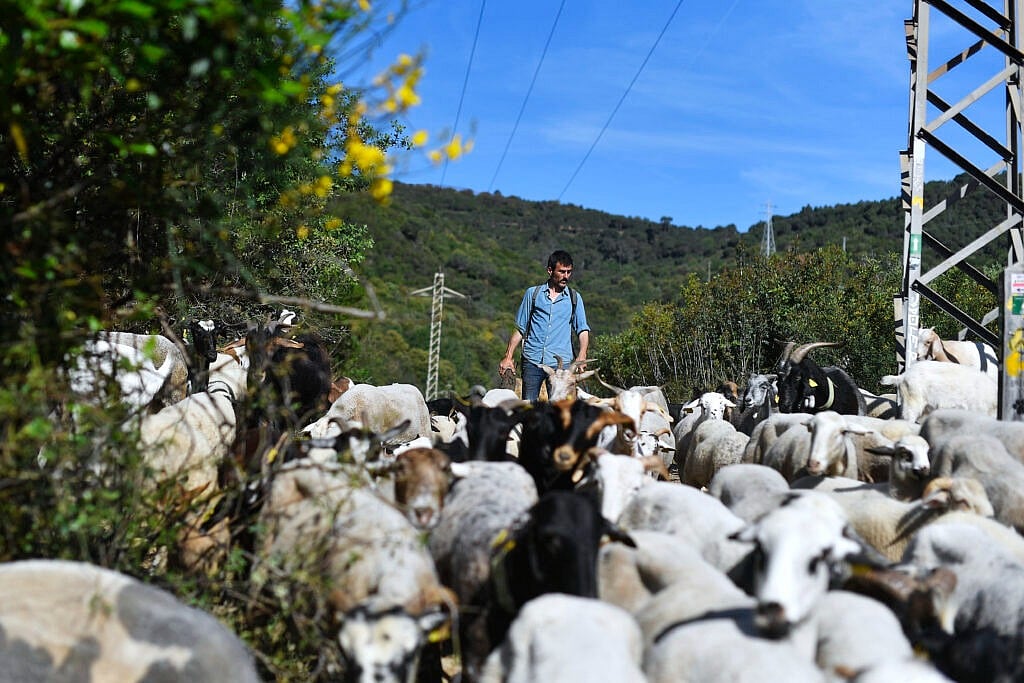
More than 1,750 wildfires have burned in the European Union this summer, and California braces for fire season every year. With firefighters in France and Spain unable to find enough aircraft for the biggest blazes, herds of goats and sheep have emerged as an unlikely answer. Goats do not put out fires; but used properly, grazing herds sharply reduce how fiercely a fire burns and how far it spreads.
Using herbivores to eat dry leaves and scrub and so create firebreaks is gaining ground across Europe, and the European Commission and the major farmers' organisations have formally endorsed the idea. In parts of Spain, fires could not travel far because goats and sheep had already eaten the undergrowth.
The method is low-tech but not free, and keeping shepherds in the job needs public support. Jordi Vendrell, head of Spain's Pau Costa Foundation, which researches wildfire, says a shepherd's work should be valued as highly as a firefighter's — yet leaders spend heavily on fighting fires and far less on preventing them. In France, farmers have joined firefighters with their own water tanks, but the shrinking number of farmers in the countryside is itself a growing problem.
When people stop farming, abandoned land fills with grass and scrub that dries to tinder. Data from the European Space Agency's Copernicus satellites show that the areas now burning most in Europe are precisely such scrub and abandoned woodland. Grazing land exists, but shepherds earn little from it, so young people have no incentive to keep goats; experts argue that special public funds for herders are essential to protect fire-prone areas.
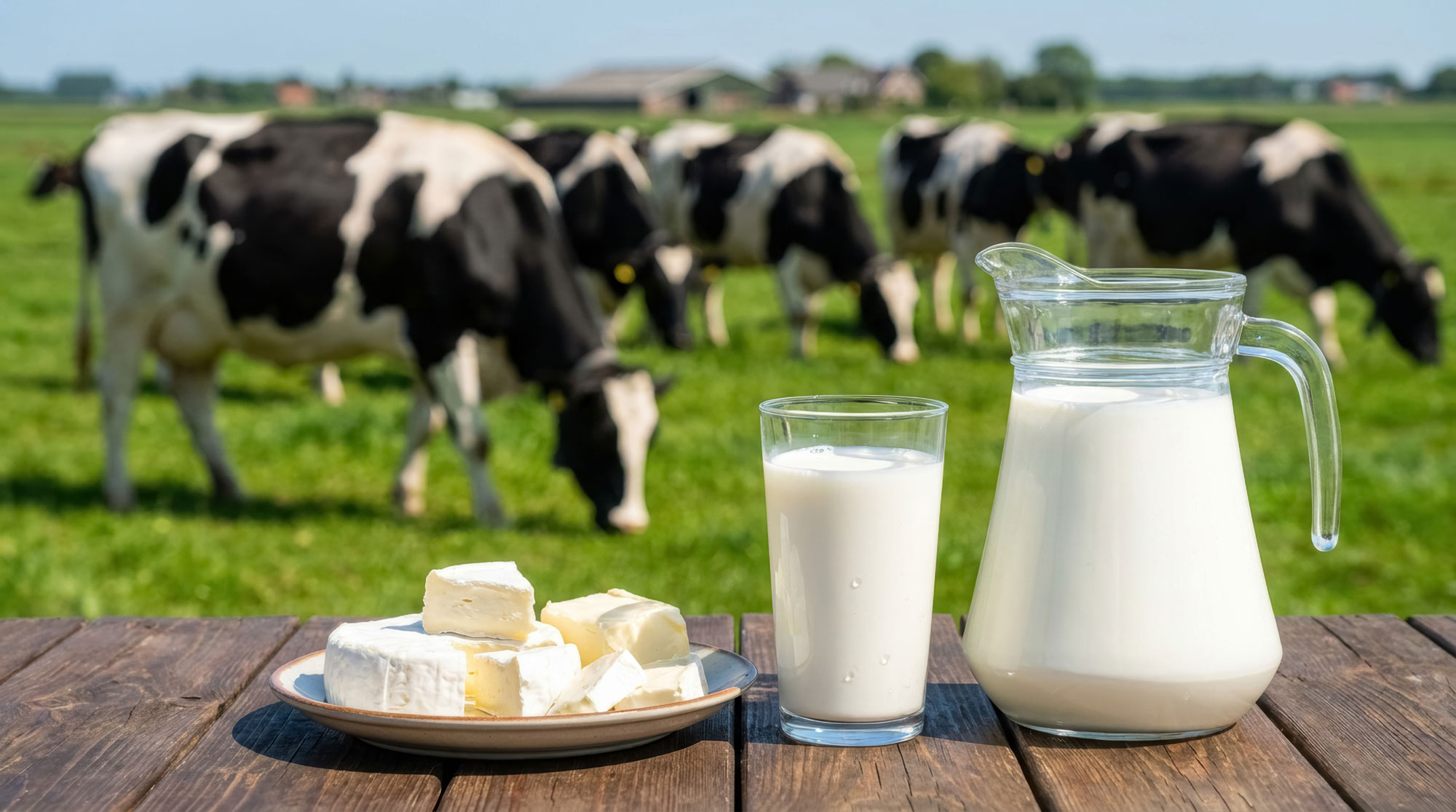
Catalonia's 'Fire Flocks' project takes goats and sheep into high-risk forest with government support, and cheese and yoghurt from their milk is sold under a special label so that consumers back the scheme. In Spain's Cuso area, beef from cattle used in the same way is now in the highest demand. After some 27,000 hectares burned near Madrid, the government planned grazing on just 3,700 hectares — far short of what is needed.
Researchers say grazing is not the whole answer, but there is no doing without it: where nothing grazes, the scrub simply grows back. Their advice is to secure whole forest regions through managed grazing before fires start rather than spending after they do — a model that ties livestock to forest management and holds lessons for other countries in a warming world.
Source: Prothom Alo

Comments
(0)