
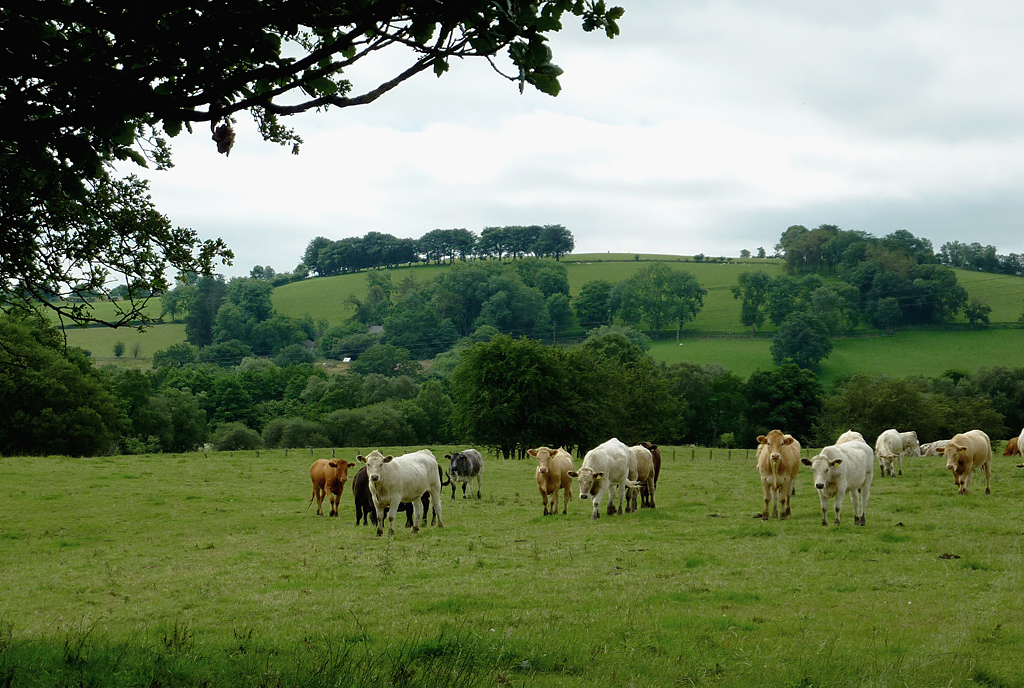
Grasslands, including meadows and pastures, could absorb 15 percent less carbon dioxide through photosynthesis by mid-century if they lose much of their plant diversity, according to a study in PNAS by the Potsdam Institute for Climate Impact Research (PIK) and Kiel University, reported by Down To Earth.
In the worst-hit regions, around the equator, in Paraguay and India, the loss of uptake could reach 50 percent even if warming is held to 2 degrees Celsius. In some African countries and in Spain, productivity rose by up to 20 percent in the low-diversity scenario, because the remaining plants could take over.
The researchers modelled grassland plants as three types: fast-growing competitors, hardy stress-tolerant plants and ruderals that thrive between disturbances. They simulated grasslands from 1850 to 2100 under a low-emissions path (below 2°C) and a high-emissions path (around 4°C), comparing grasslands that keep their diversity with grasslands left with only today's dominant plants. Under 2°C of warming, low-diversity grasslands would take up about 11 billion tonnes less CO2 a year in 2050, the authors said, comparable to losing an area of grassland the size of the Arctic tundra.
"It's not just about lower rates of photosynthesis. Losing plant diversity also reduces forage supply for grazing animals, which, in turn, can threaten the livelihoods of people who depend on livestock grazing," said lead author Stephen Wirth of PIK. Soils in less diverse grasslands also store less carbon. The authors say the exact size of the effects is uncertain because the model simplifies plants and their interactions.
They conclude that keeping and supporting plant diversity in managed grasslands is key to adapting to climate change. "Agricultural policy should support farmers in adapting their farms to climate change," said co-author Friedhelm Taube of Kiel University, particularly where people depend on grazing in the Global South.
The report was written by Himanshu Nitnaware for Down To Earth.
Photo: Roger Kidd / Wikimedia Commons (CC BY-SA 2.0)
Source: Down To Earth

Comments
(0)