
The government has moved to cut VAT on environment-friendly concrete blocks to encourage their use in place of fired clay bricks. Responding to an application from block makers, the Prime Minister's Office has written to the National Board of Revenue (NBR) asking it to take the necessary steps, in a letter signed by its director Dewan Mawdud Ahmed, Samakal reports, citing NBR sources.
Blocks now carry 15 percent VAT on the sale price. The Bangladesh Concrete Product and Block Manufacturers Association (BCBPMS) wants the rate cut to 3 percent, and the Ministry of Environment, Forest and Climate Change forwarded its proposals to the Prime Minister's Office on 27 August. The makers also propose a fixed annual VAT by machine type and capacity, as brick kilns pay, asking for Tk 500,000 a year for a factory producing 13.75 million blocks.
A pollution-control follow-up meeting chaired by the Prime Minister on 18 July stressed cutting the use of fired bricks, raising block production, moving step by step to 100 percent blocks in government construction, training workers and monitoring quality. A meeting chaired by the Prime Minister's principal secretary on 30 July urged cuts in VAT and duty on blocks.
A senior NBR official told Samakal that the size of the cut will be decided after discussion in light of the letter. BCBPMS general secretary Julkar Shahin said the sector has been promised relief repeatedly but has yet to receive it. Using blocks in place of fired bricks was made mandatory for all government construction in 2019, yet bricks are still used more.
Making bricks by burning soil reduces the fertility of farmland and pollutes the environment, while blocks, made from silt and sand, cement and some chemicals, are an environment-friendly and earthquake-resistant building material, the report notes.
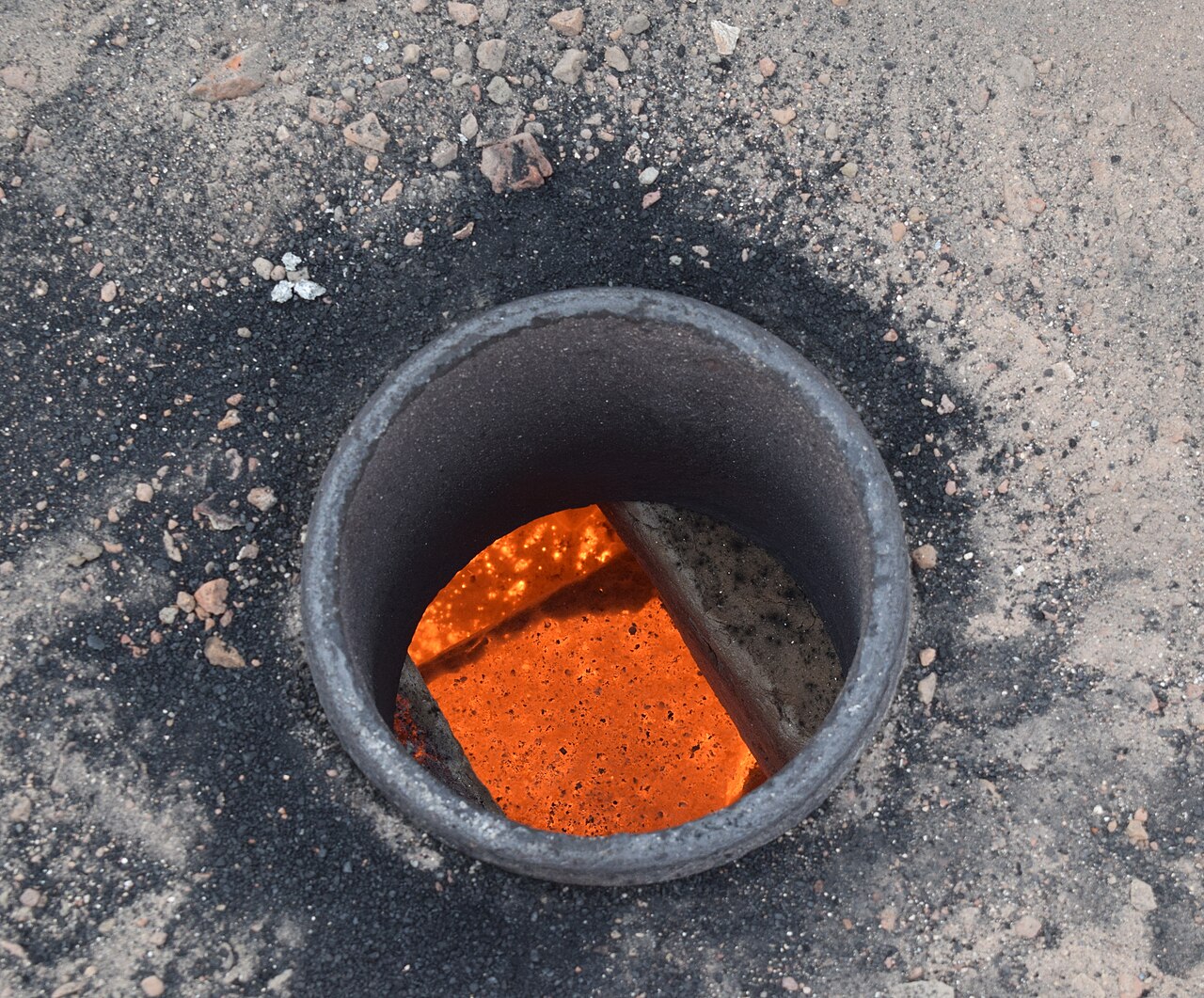
Photo: Dolon Prova / Wikimedia Commons (CC BY-SA 4.0)
Source: Samakal


Comments
(0)