
A protozoan parasite, Giardia duodenalis, has been found in faecal samples from pet cats in North America, and some of its genetic types can infect people. The study, which analysed more than 157,000 samples from the United States and Canada, is published in the journal PLOS One; the researchers say it is the largest study yet of the parasite in pet cats. Banglavision reported it, citing an October 17 report by the science outlet ScienceAlert.
The parasite was found in 9,962 samples, or 6.3 percent, roughly one in every 16. Of the positive samples, 1,840, or 18.5 percent, carried types capable of infecting humans, about 1.2 percent of all the samples tested.
Giardia infection often causes no symptoms, but it can cause giardiasis in people and animals, with diarrhoea, stomach pain and weakness, and it can stunt an animal's growth.
Age made a big difference: the parasite was found in 10.7 percent of kitten samples but only 1.3 percent of samples from cats aged ten or older. Males had a slightly higher rate than females. The US Midwest had the highest detection rate, 7.8 percent, while in the Northeast the share of positive samples with human-infective types reached 21.6 percent.
Season mattered too: 4.6 percent in summer against 8.1 percent in winter. The researchers think the parasite's cysts survive longer in cold, damp conditions and less well in warm, dry summers.
The researchers recommend regular faecal testing of higher-risk cats, especially in households with young children, older people or anyone with weak immunity. Because the study covers North American cats, it says nothing directly about infection rates among pet cats in Bangladesh.
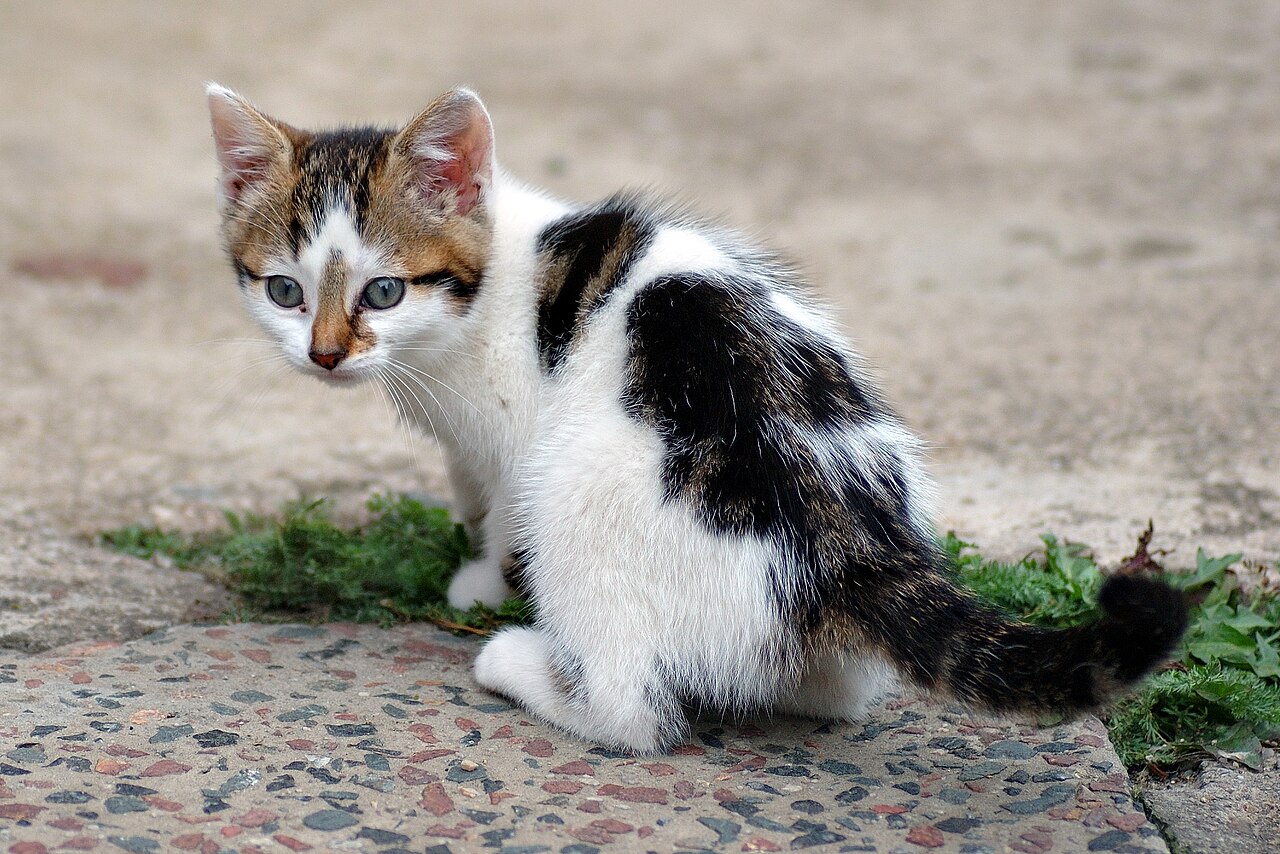
Photo: André Karwath / Wikimedia Commons (CC BY-SA 2.5)
Source: Banglavision



Comments
(0)