
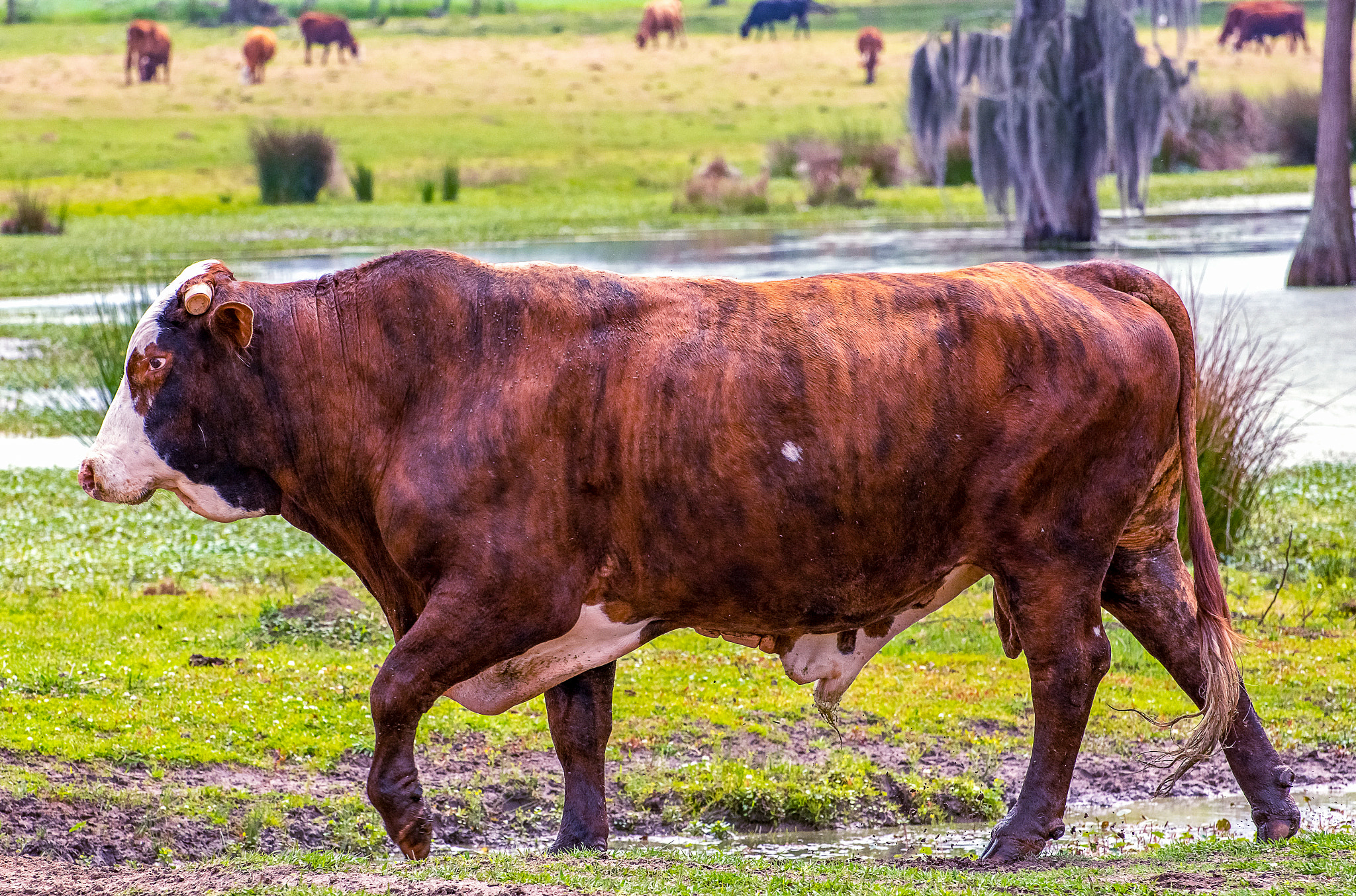
The U.S. Department of Agriculture (USDA) and the State of Georgia finalised a Cooperative Interstate Shipment (CIS) agreement on 27 July 2026, opening the way for participating state-inspected meat processors in Georgia to ship their products across state lines. Under the agreement, Georgia may inspect meat produced at participating establishments for shipment throughout the United States. Agriculture Secretary Brooke L. Rollins announced it that day with Georgia Agriculture Commissioner Tyler Harper at a press conference on a sod farm in Carroll County, Georgia.
Georgia becomes the 11th state
According to USDA, Georgia's addition brought the number of states in the CIS programme to 11. The others are Indiana, Iowa, Maine, Missouri, Montana, North Dakota, Ohio, South Dakota, Vermont and Wisconsin. The programme was authorised in the 2008 Farm Bill and launched in 2012. FOX 5 Atlanta reported that the deal permitted 23 state-inspected facilities in Georgia to sell livestock products outside the state, though the list of facilities and the date when interstate shipments would begin had not been released.
Ordinarily, meat inspected only under a state programme may be sold within that state. In a CIS programme, state-inspected plants that comply with federal inspection requirements may ship in interstate commerce under the USDA mark of inspection.
What states and plants must meet
Only states with their own State Meat and Poultry Inspection (State MPI) programme can take part. A state must show that the inspection it provides at participating plants is the same as what the Food Safety and Inspection Service (FSIS) provides at federal establishments: legal authority equal to the Federal Meat Inspection Act and the Poultry Products Inspection Act, regulatory samples collected as often as federal inspectors collect them, and the same analytical methods at laboratories accredited to the same level. FSIS oversees the programme and reimburses states for 60 percent of the cost of the inspection service.
At plant level, the FSIS programme page sets out these requirements:
- 25 or fewer employees;
- an adequate food safety system and appropriate facility standards;
- a recommendation from the state to the FSIS District Office once the state finds the plant qualifies;
- then compliance with federal sanitation performance standards, label review, the same water and sewage approval FSIS requires, written Sanitation Standard Operating Procedures (SSOP) and a Hazard Analysis Critical Control Point (HACCP) plan.
Inspection at these plants is carried out by state-appointed, federally trained inspectors. Products carry the federal inspection seal with "SE", showing they come from a state establishment.
Concentration in meatpacking and pressure on ranchers
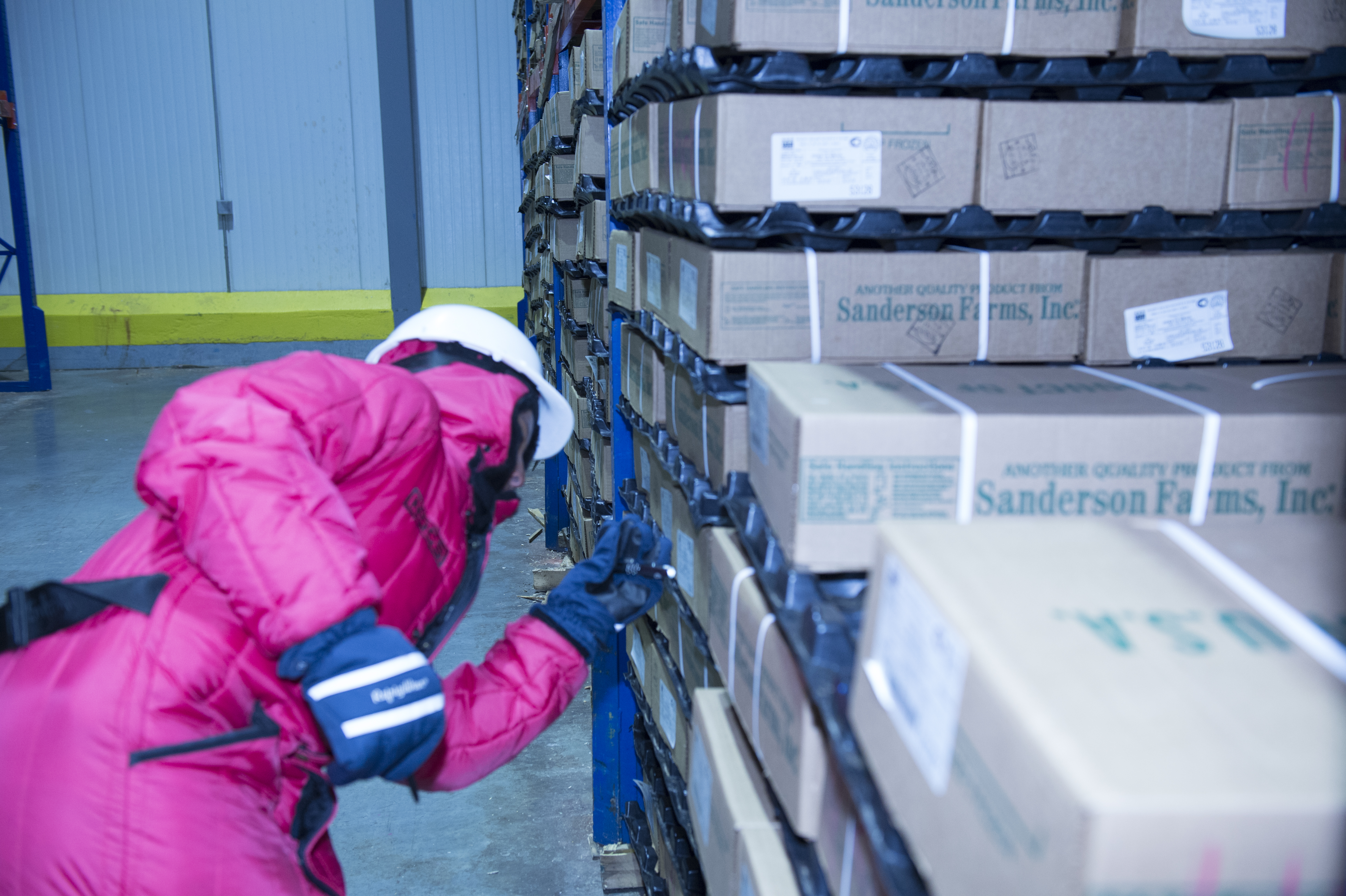
Rollins linked the agreement to concentration in meat processing. "By entering into this agreement, Georgia's family-owned meat processors will now have the ability to access the same domestic marketplace as everyone else," she said in the USDA release. "Our ranchers have had to deal with a consolidated processing industry that has 4 companies, including 2 foreign owned, dominating 85% of the market and today's action takes a step toward leveling the playing field." At the event, Atlanta News First reported, she said "all 50 states will be open for their business."
Under Secretary for Food Safety Mindy Brashears said the announcement "expands market opportunity for Georgia's processors, while ensuring that rigorous food safety standards are in place" and would support the local and regional economy.
According to FOX 5 Atlanta, Harper said the agreement helps small and medium-sized processors compete in a challenging marketplace, and Rollins announced that Georgia would take part in the new $500 million SPUR programme aimed at independent beef operations. The station noted that Georgia livestock producers faced added pressure as national cattle numbers had hit a 75-year low. "Agriculture is national security," Harper said at the event.
Photo: Dana Hutchinson / Wikimedia Commons (CC BY 3.0)
Sources: USDA (27 July 2026), FOX 5 Atlanta (27 July 2026), Atlanta News First (27 July 2026), FSIS (Cooperative Interstate Shipment programme page)

Comments
(0)