
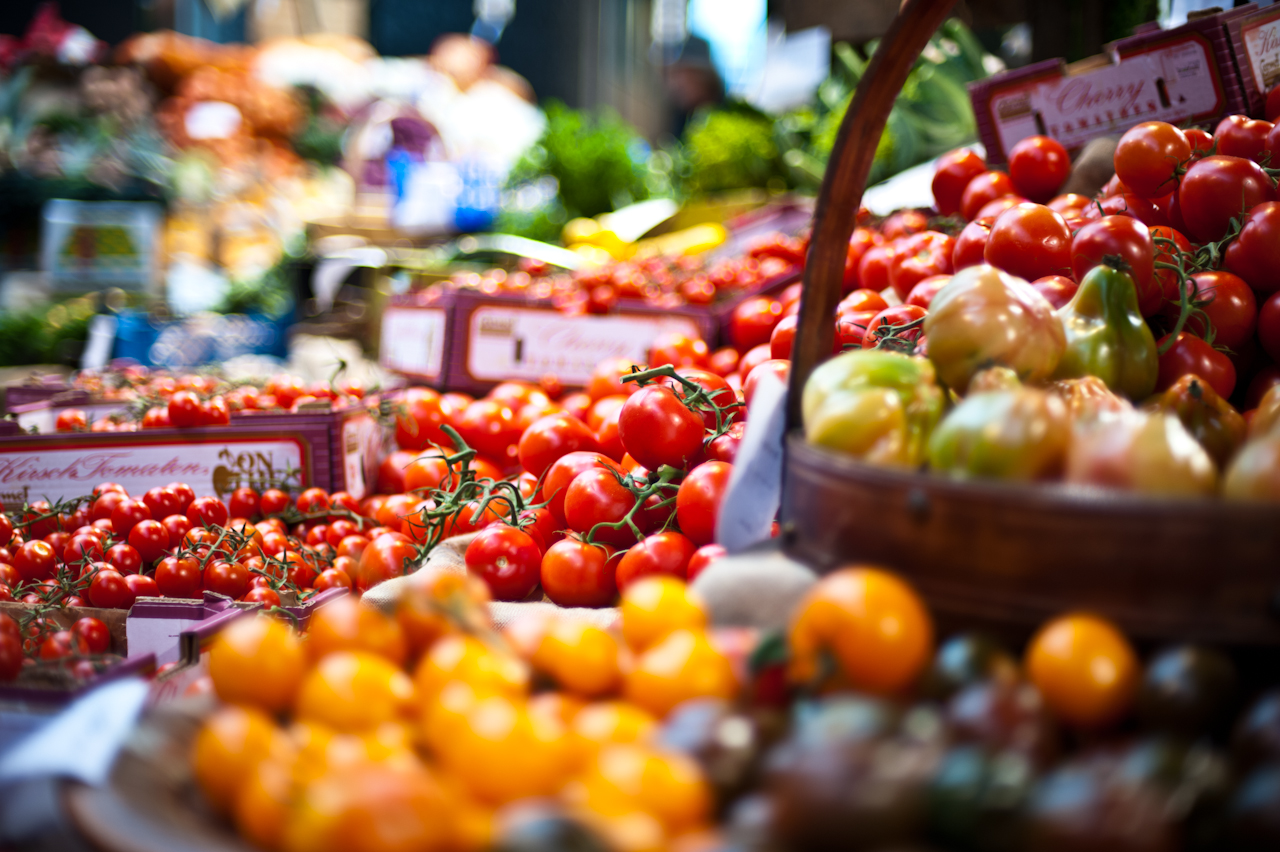
Food prices are likely to trend upwards because climate change is causing more crop failures and squeezing production around the world, former UK environment secretary George Eustice told AgNavigator at the World Agri-Tech Innovation Summit in London.
"The more extreme weather events you see, the more crop failures you get," said Eustice, who led Defra and is now managing director of the Penroath consultancy. He pointed to growing problems in Mediterranean countries that supply much of Britain's fresh produce, and said stressed production would raise prices through supply and demand. Farmers will also need better returns if they are to invest in the technology and infrastructure needed to stay productive in a more volatile climate, he said.
On trade, Eustice welcomed assurances from farming minister Stephen Morgan that research and development on gene editing will remain a UK competence under a planned sanitary and phytosanitary (SPS) agreement with the EU. The big question, he said, is whether the same freedom will cover growing gene-edited crops. Britain's risk-based rules let many gene-edited crops reach the market faster than in the EU, and he hoped the EU would reform its system along UK lines.
He also warned that long approval processes are driving agtech companies out of Europe. Start-ups developing biopesticides can face "maybe 10 or 12 years of authorisations", he said, so many choose markets with quicker access, usually South America or the United States.
Eustice urged Brussels to let member states decide for themselves on technologies such as gene-edited crops, biostimulants and fertilisers if no sensible consensus can be reached. The views are his own, given in an interview with Oliver Morrison.
Photo: Jack Gavigan / Wikimedia Commons (CC BY-SA 3.0)
Source: AgNavigator

Comments
(0)