
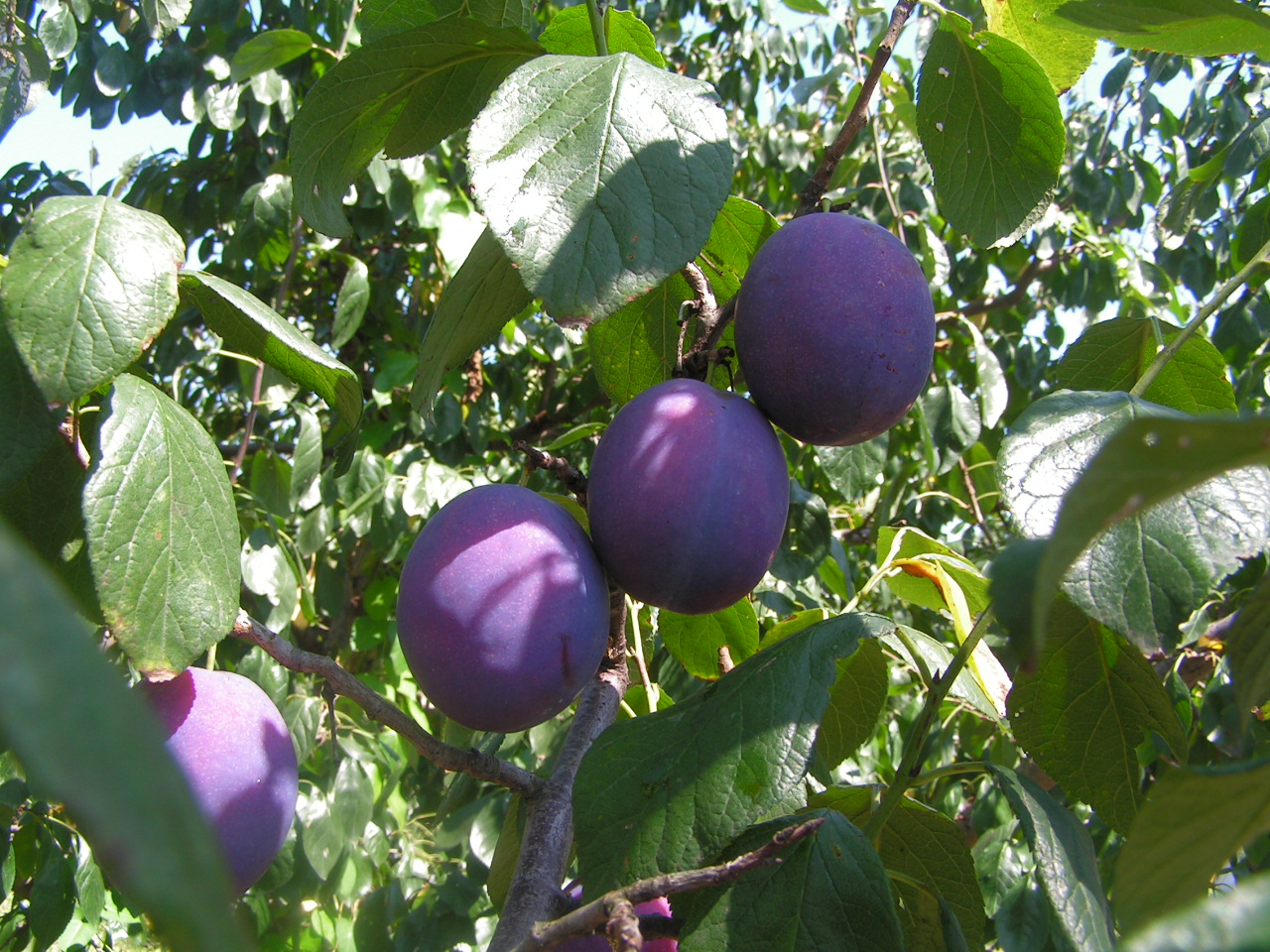
The US Department of Agriculture is taking public comments on a request to deregulate a gene-edited plum that flowers early in its life and keeps blooming through most of the year, a trait meant to shorten the long wait in breeding new fruit-tree varieties.
The Animal and Plant Health Inspection Service (APHIS) published the petition in the Federal Register on 14 August, opening a 60-day comment period that closes on 13 October. It was filed by USDA's own Agricultural Research Service through its Appalachian Fruit Research Station in Kearneysville, West Virginia, and covers two lines of European plum (Prunus domestica) called "34 plum" and "157 plum".
The station asks for a "determination of nonregulated status", which would let the lines be treated like conventionally bred plums, free of the permits and field-trial restrictions on genetically engineered plants under review. APHIS has released a draft plant pest risk assessment concluding that the two lines are unlikely to pose a greater pest risk than ordinary plum trees; that, not a claim about taste or food safety, is the main technical basis for the request. The filing does not name the gene used.
Plum trees, like most tree fruit, take several years to reach flowering age and then bloom once a year for a short spring window. One breeding cycle, from crossing two parents to judging the offspring, can take 15 to 20 years. A tree that flowers within months of planting and keeps flowering lets breeders run several crossing cycles in the time one used to take. The Kearneysville station has worked for years on this "rapid cycle breeding" approach.
Such trees are normally a breeding tool, not a supermarket fruit. Breeders use them as parents to speed up crosses for traits such as disease resistance, fruit quality and winter hardiness, and the flowering trait can be screened out or bred out of the final variety.
If APHIS grants the status, the plum lines could be grown, moved and imported within the US without special permits. A separate Food and Drug Administration review would usually be expected before any fruit from this work is sold to eat, though the APHIS filing does not mention one.
Photo: YAMAMAYA / Wikimedia Commons (CC BY-SA 3.0)
Source: Global Agriculture

Comments
(0)