
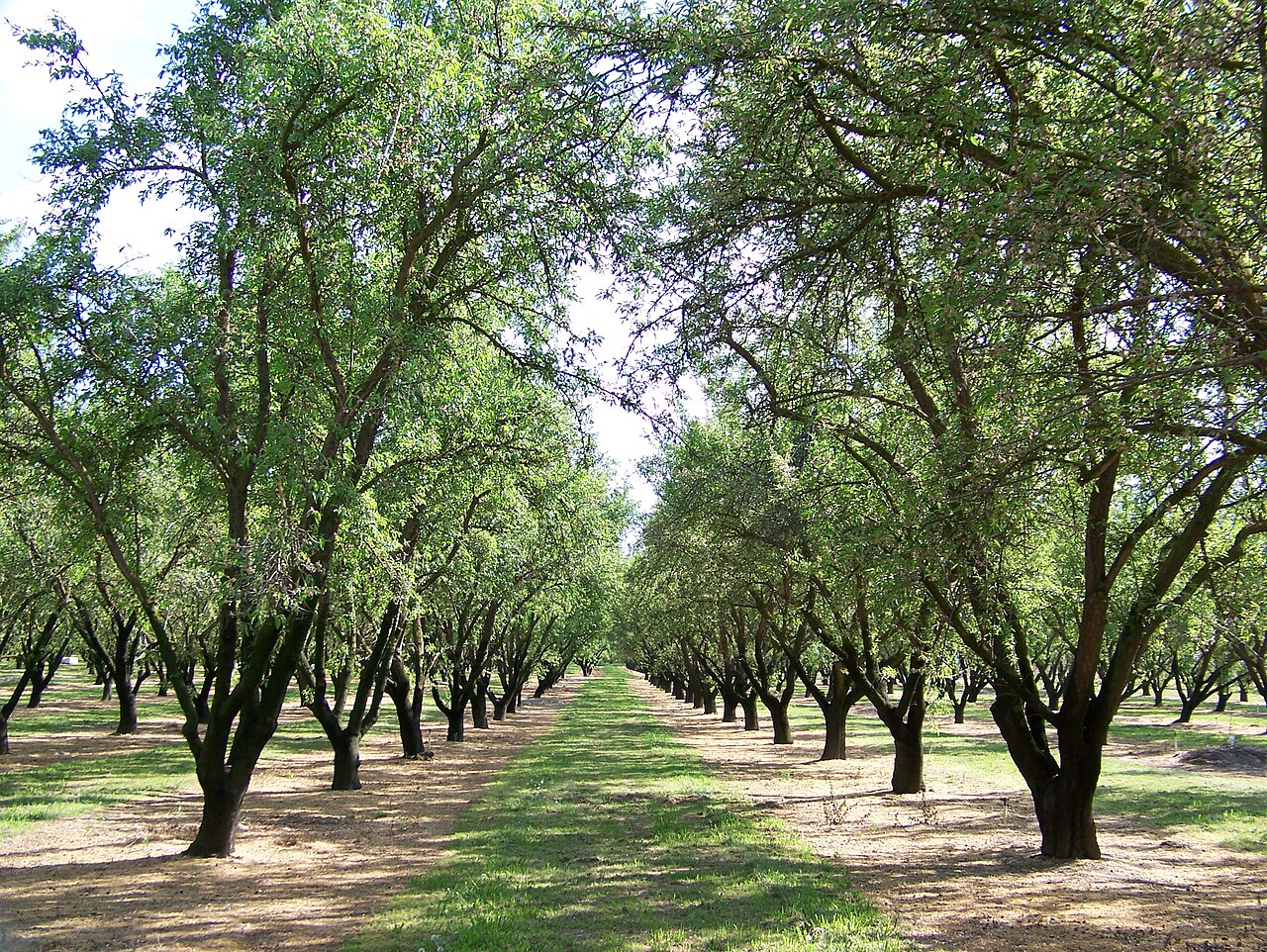
GUSS Automation, the autonomous orchard-sprayer maker owned by Deere & Company, is fitting a new generation of colour lidar sensors to its robot fleet to deal with a long-standing problem: satellite navigation that breaks down under a dense tree canopy. The Kingsburg, California, company announced the upgrade on 26 August with Ouster Inc, whose sensors will go on its Orchard GUSS and Mini GUSS sprayers.
In open fields GPS works well, but in orchards trunks and foliage block and bounce satellite signals, an effect engineers call multipath interference. Driverless machines can drift off the row, lose their position or stop to wait for a person, one of the main barriers to running autonomous sprayers in tree crops.
Lidar fires rapid pulses of laser light and times their return to build a three-dimensional map of its surroundings, with no need to see the sky. GUSS is adopting Ouster's Rev8 OS0, which Ouster describes as its first native colour digital lidar, built on its own L4 chip. Its wide field of view lets a single sensor see trunks, row edges and ground contours on both sides of the sprayer.
The sensor produces a point cloud of millions of distance readings that outlines the row. The sprayer's computer compares it with a pre-mapped row structure to keep its course and spot obstacles, largely without GPS. Deere and Ouster say the hardware is built to keep working through dust, drifting spray mist and overhanging leaves.
GUSS sprayers already let one operator supervise several robots from a laptop at the field edge. With the new sensors, Deere says one supervisor will be able to oversee up to eight machines spraying at once. Jason Brantley, a Deere vice president for production systems, said the added sensing should help the machines keep running reliably in complex orchards. Spraying comes first; mowing and other orchard work are seen as likely next steps.
The target is California's almond, walnut and pistachio orchards, stone fruit and vineyards, where rising labour costs and a shrinking pool of workers willing to apply pesticides by hand in heat and dense canopy are pushing growers towards autonomous spray rigs.
Photo: Nehrams2020 / Wikimedia Commons (CC BY-SA 3.0)
Source: Global Agriculture

Comments
(0)