
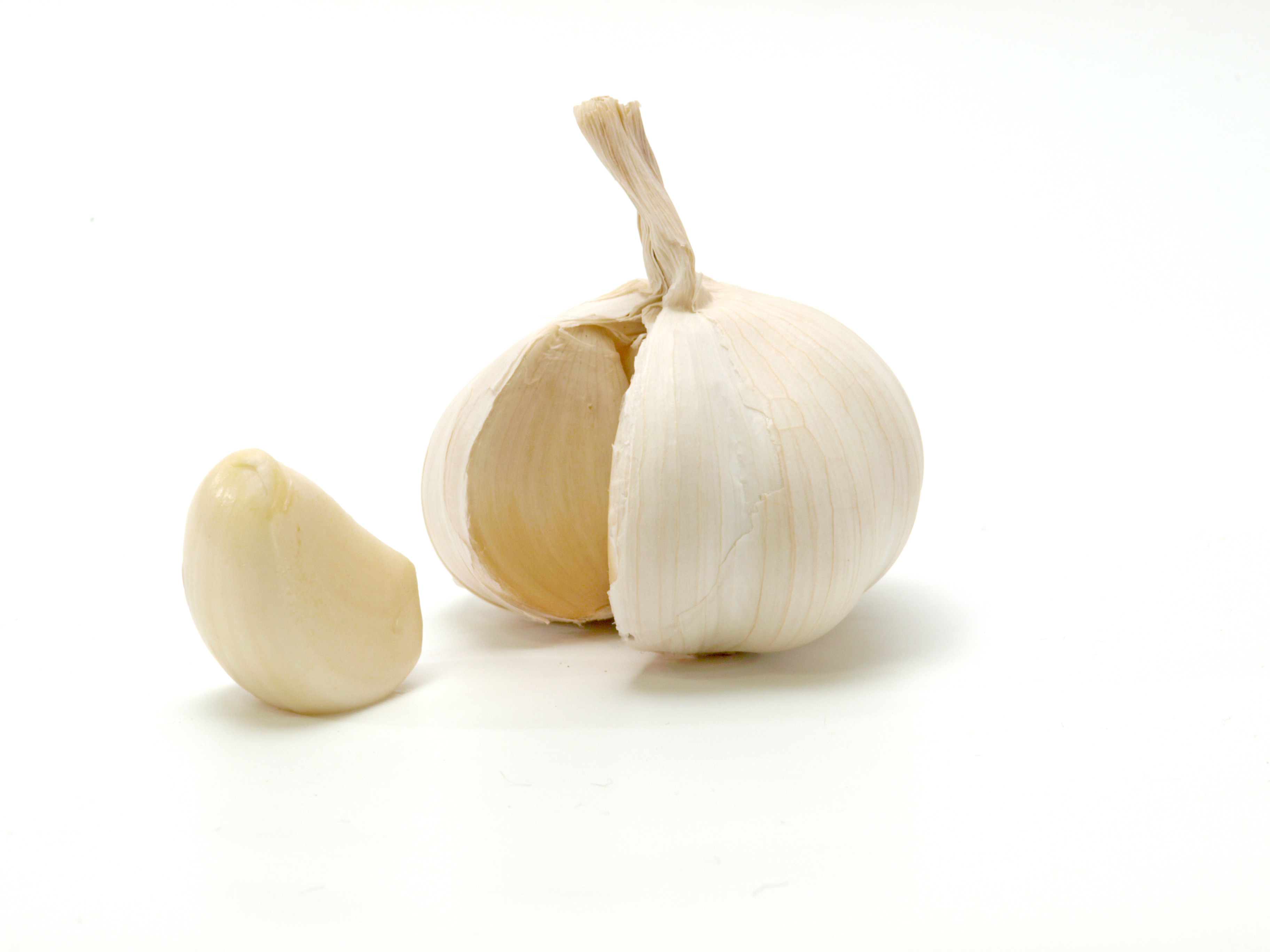
Garlic is more than a spice; it has long had a reputation as a medicinal plant, and some people eat a raw clove every morning. On 10 July 2026 the lifestyle desk of the Bengali news site Jagonews24 published a report on garlic's possible role in controlling diabetes and the right way to eat it. Research and health authorities suggest garlic may lower blood sugar slightly, but it is no substitute for diabetes medicine.
What research says about garlic and diabetes
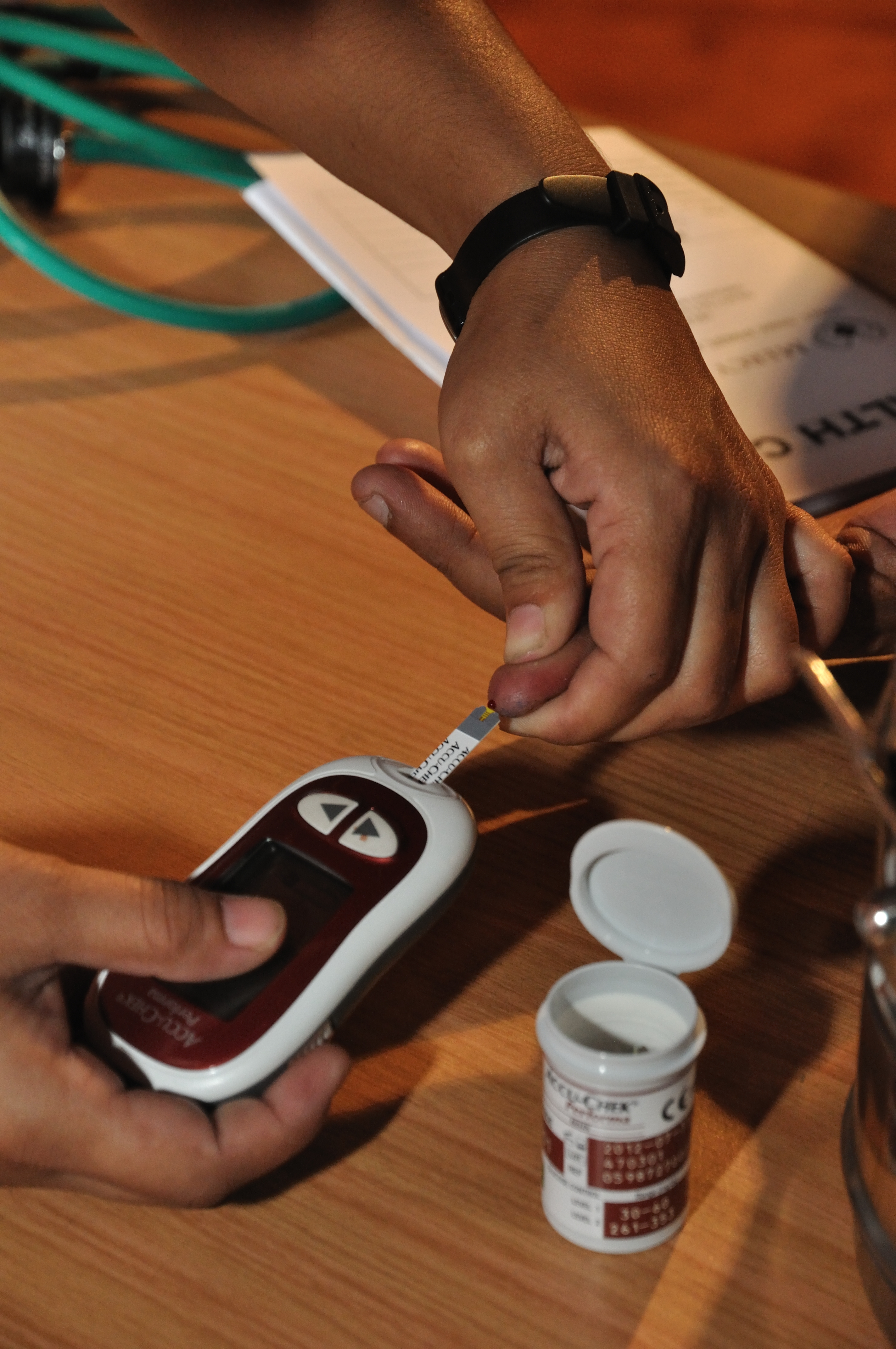
The World Health Organization describes diabetes as a chronic disease that occurs when the pancreas does not produce enough insulin or when the body cannot effectively use the insulin it produces. According to the WHO, type 2 diabetes is treated with lifestyle changes together with medicines such as metformin, sulfonylureas and SGLT-2 inhibitors.
A meta-analysis published in Food & Nutrition Research in 2017 pooled nine randomised controlled trials involving 768 patients with type 2 diabetes. It found that fasting blood glucose, glycated haemoglobin (HbA1c) and cholesterol fell more in the groups taking garlic supplements than in the control groups. A further review, published in Nutrition and Metabolic Insights in February 2026, analysed eight studies and also found falls in blood sugar and HbA1c, but its authors noted that the studies were of low quality and called for better trials.
The U.S. National Center for Complementary and Integrative Health (NCCIH), part of the National Institutes of Health, sums it up this way: garlic supplements may reduce blood sugar to a small extent in people with diabetes. It adds that the effects on cholesterol in people with high cholesterol, and on blood pressure in people with high blood pressure, are also small. Most of this research tested garlic supplements, not garlic from the kitchen.
Why crush it and let it stand
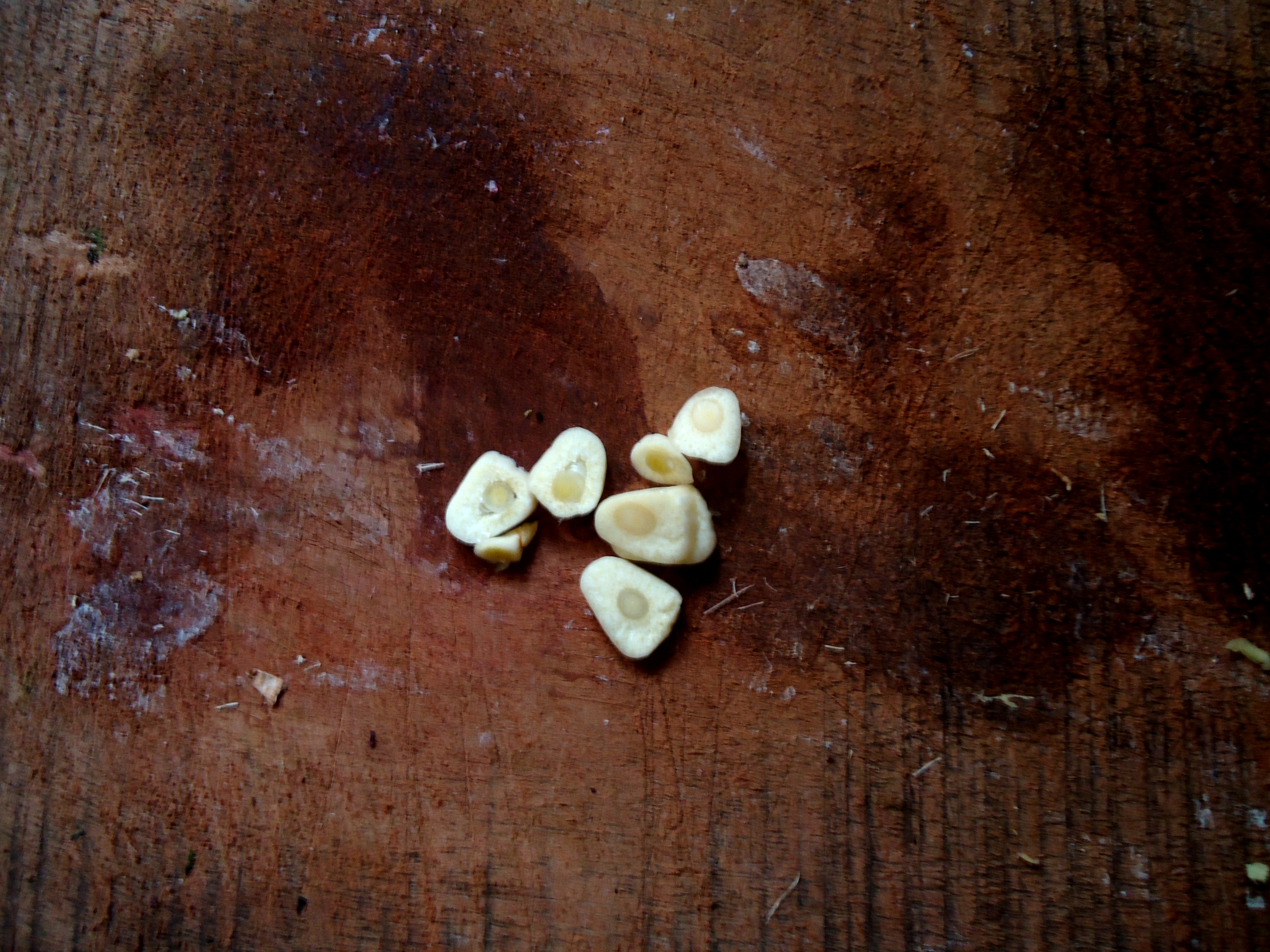
According to the Linus Pauling Institute at Oregon State University, garlic contains a sulphur compound called alliin and an enzyme called alliinase. When raw garlic is crushed, chopped or chewed, the enzyme turns alliin into allicin, and this is complete within 10 to 60 seconds of crushing.
Heat is the problem. The institute reports that microwaving whole, unpeeled garlic completely destroyed the alliinase enzyme, while crushing the garlic and letting it stand for 10 minutes before heating partly preserved its activity. The Jagonews24 report gave the same advice:
- Peel the garlic and chop or crush it.
- Leave it uncovered for about 10 minutes.
- Then eat it raw or add it to your cooking.
Those who cannot take raw garlic can eat it cooked, ideally crushed and left to stand first, since long cooking at high heat destroys part of its ability to form allicin.
Who should be careful
Garlic in normal food amounts is generally safe. The NCCIH says garlic taken by mouth has been used safely in studies lasting as long as seven years. It does have side effects: breath and body odour, abdominal pain, wind and nausea, and the Linus Pauling Institute also lists heartburn, belching, vomiting and diarrhoea. People with acidity, gastric problems or ulcers should talk to a doctor before eating raw garlic regularly. Raw garlic placed on the skin can cause severe irritation and chemical burns.
The biggest caution is bleeding. The NCCIH says garlic supplements may increase the risk of bleeding, and the Linus Pauling Institute notes that garlic may strengthen the effect of blood thinners such as warfarin. Anyone taking blood thinners or aspirin, or due to have surgery, should tell their doctor before taking garlic supplements or large amounts of garlic. Garlic in amounts greater than those found in food may not be safe during pregnancy or breastfeeding.
For people with diabetes, garlic can be part of a healthy diet, but it does not replace the medicines or the plan a doctor has given. Do not cut down or stop any medicine because you are eating garlic, and see a doctor before making big changes to your diet or starting a supplement.
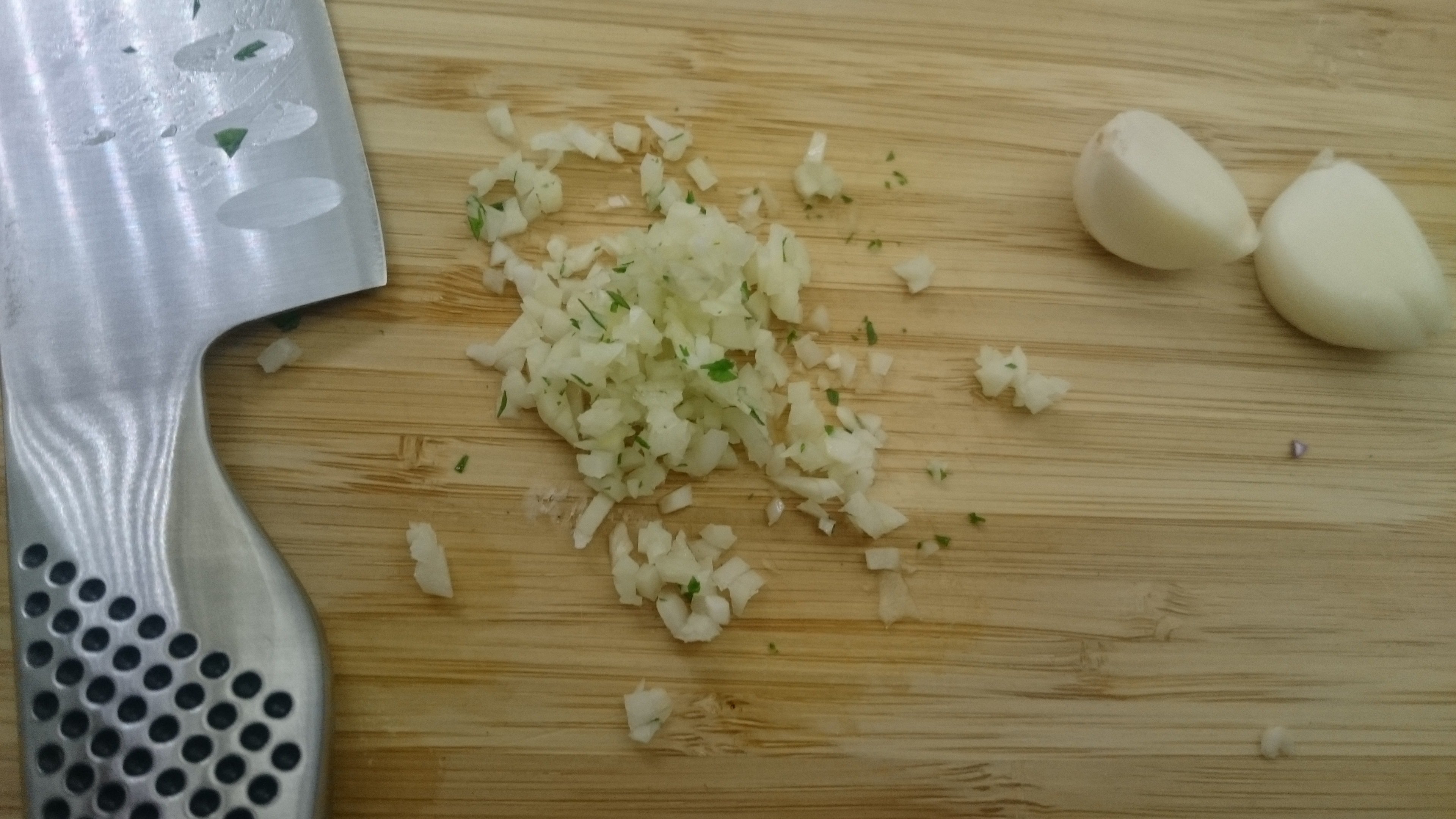
Photo: Dubravko Sorić SoraZG on Flickr / Wikimedia Commons (CC BY 2.0)
Sources: Jagonews24, U.S. National Center for Complementary and Integrative Health (NCCIH), World Health Organization (WHO), Linus Pauling Institute at Oregon State University, Food & Nutrition Research (2017), Nutrition and Metabolic Insights (2026)
Comments
(0)