
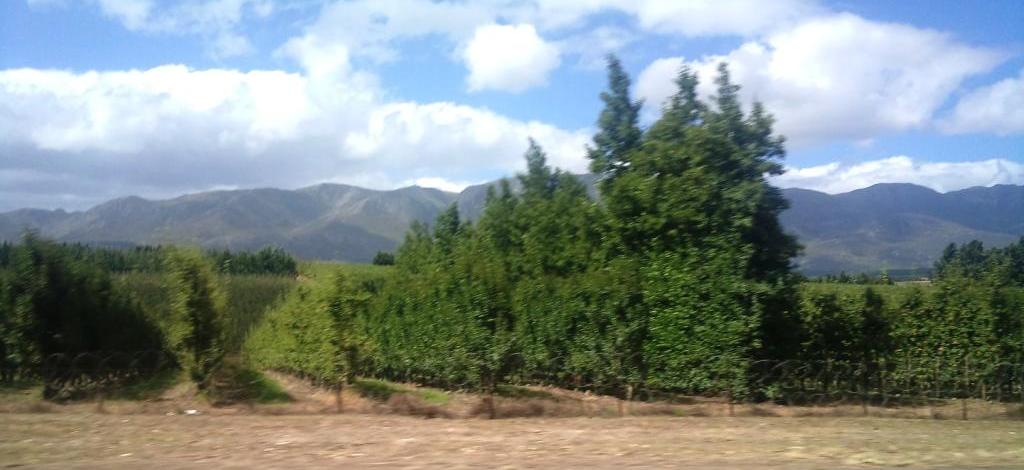
South Africa's fruit industry should first help its existing black-owned enterprises become self-sufficient, rather than keep adding new participants, argues Nomonde Ntloko, industry affairs manager at Fruit South Africa (Fruit SA), in a signed column published by Food For Mzansi on 29 October. The views are the writer's own.
Ntloko starts from history. Agriculture, she writes, was an epicentre of the country's historic injustices, and the legacy still holds emerging growers back. Fruit production is capital-intensive and often depends on generational wealth; affordable, tailored finance is scarce; development finance institutions often underperform; input and compliance costs are high; and infrastructure is limited.
She lists the problems emerging enterprises face on the farm: weak cash flow and capacity, underperforming orchard blocks, restrictive credit profiles and the need for blended finance to attract commercial lenders. Land tenure is another brake. Delays in transferring title deeds for farms under the Proactive Land Acquisition Strategy, she writes, stop growers from using their land to raise finance. Market access rules, fragmented support programmes, weak coordination and, in some cases, owners who do not take the technical and financial advice available make things harder still.
In Fruit SA's view, transformation rests on three pillars: enterprise development, skills development and socio-economic development, with equitable access and participation for black players as the measure. Ntloko points to the Fresh Produce Exporters' Forum (FPEF) Graduate Placement Programme, featured at a recent Fruit SA and FPEF Transformation Showcase in Klapmuts in the Cape Winelands, where young professionals met industry, government and banking representatives.
Her main proposal is a tiered system. Participants would graduate from grant-type support to eligibility for commercial credit, freeing room for a new cohort behind them. Logistics setbacks, geopolitical disruption and extreme weather have hit the industry, she notes, and emerging players with limited resources find those shocks hardest to absorb.
"Transformation is a process, not an event," is one of the lessons the industry drew this year, according to the column, which calls for transformation to have "a seat at the strategy table" alongside the industry's growth plans.
Photo: Abu Shawka / Wikimedia Commons (CC0)
Source: Food for Mzansi

Comments
(0)