
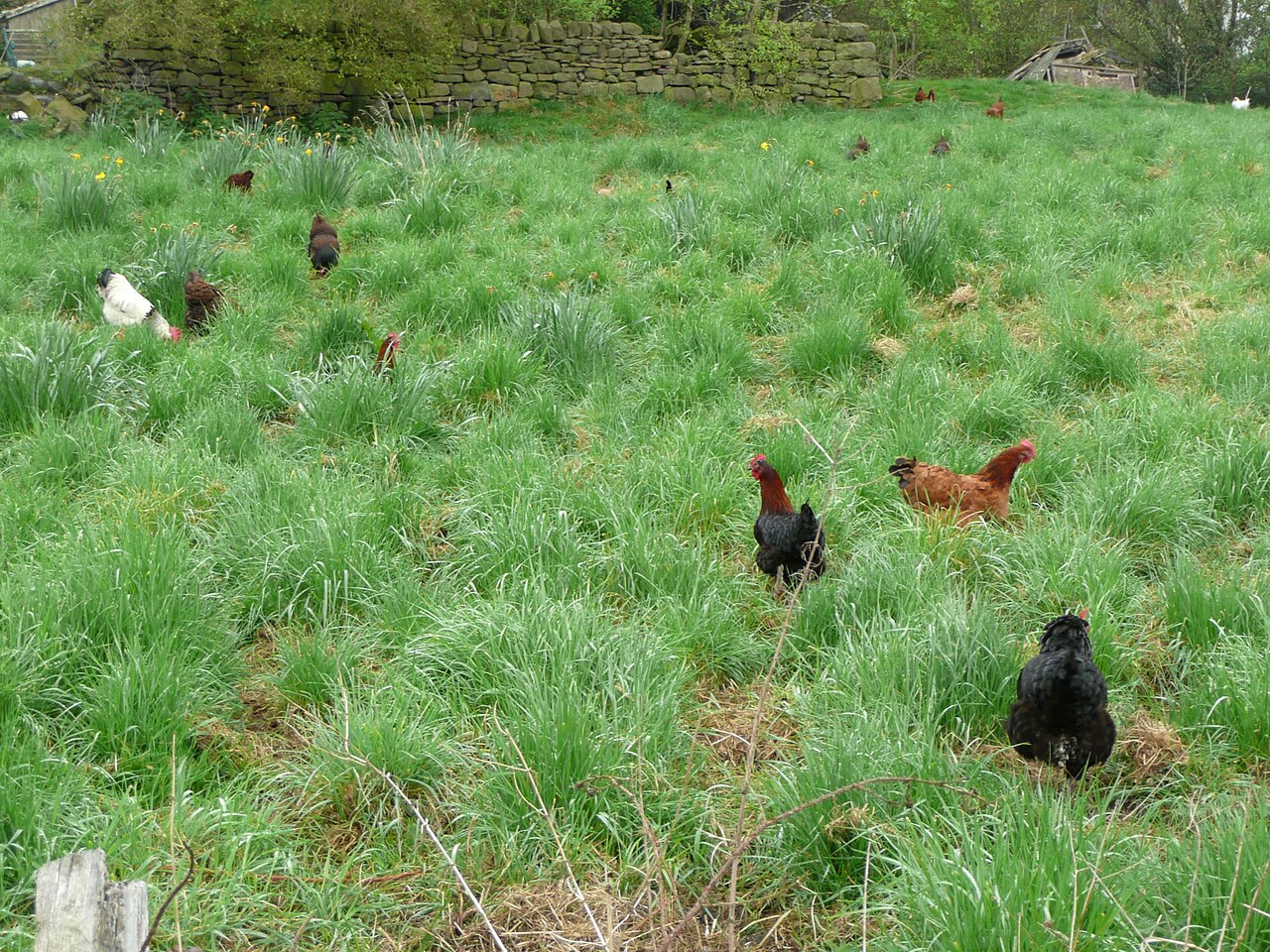
Corporate pledges to buy cage-free eggs are spreading across Asia, including India, but in a column for Krishi Jagran, Elissa Lane argues that their success will be decided on farms, not in boardrooms. The views are the writer's own.
Moving hens out of cages, she writes, is above all a farming change: new housing, different flock management, retrained staff and fresh investment. Progress therefore depends on whether producers have the knowledge, technical support, market visibility and money to adapt, and she asks that farmers be treated as partners rather than as recipients of change.
On skills, Lane points to training centres and demonstration farms where producers can see cage-free systems working and learn from other farmers. Because housing, labour and infrastructure differ widely from farm to farm, she argues for on-farm advice and training in local languages.
Training alone is not enough, the column says. Farmers need confidence that someone will buy their eggs, and companies need reliable suppliers. Early talks between buyers and producers on sourcing requirements, volumes and timelines would let farmers judge whether the investment makes commercial sense and help buyers plan realistic sourcing.
Lane also calls for financial support: incentives that sustain demand while supply chains develop, and financing to help farmers meet the cost of buildings, equipment and certification. The question for a farmer, she writes, is not only whether cage-free production is technically possible but whether it pays over the long term.
Producer associations and shared platforms, she adds, give farmers a voice in shaping the sector. Her conclusion is that commitments create momentum, but lasting change needs systems that work on farms, make economic sense and link farmers to steady demand.
Photo: Humphrey Bolton / Wikimedia Commons (CC BY-SA 2.0)
Source: Krishi Jagran


Comments
(0)