
Writing in Rural Voice, the economist Dr Biswajit Dhar argues that the farm commitments in the New Delhi Declaration of the 18th BRICS Summit could reshape food security across the Global South, above all a proposed BRICS Grain Exchange. The views are the writer's own.
Dhar notes three areas the leaders agreed on: protecting agrobiodiversity and farmers' rights over their seeds and knowledge, taking forward the grain exchange first proposed at the Kazan Summit in 2024, and reviving stalled agriculture negotiations at the WTO.
Under India's chairmanship the group set up BRICS AGRIN, a non-binding, farmer-centred network on agro-inputs, genetic resources and information, and launched a Global Forum on Farmers' Rights in Seed Systems. Dhar points out that several members are mega-diverse countries and that diverse farming systems, with indigenous crop and livestock varieties, reduce weather-related food losses.
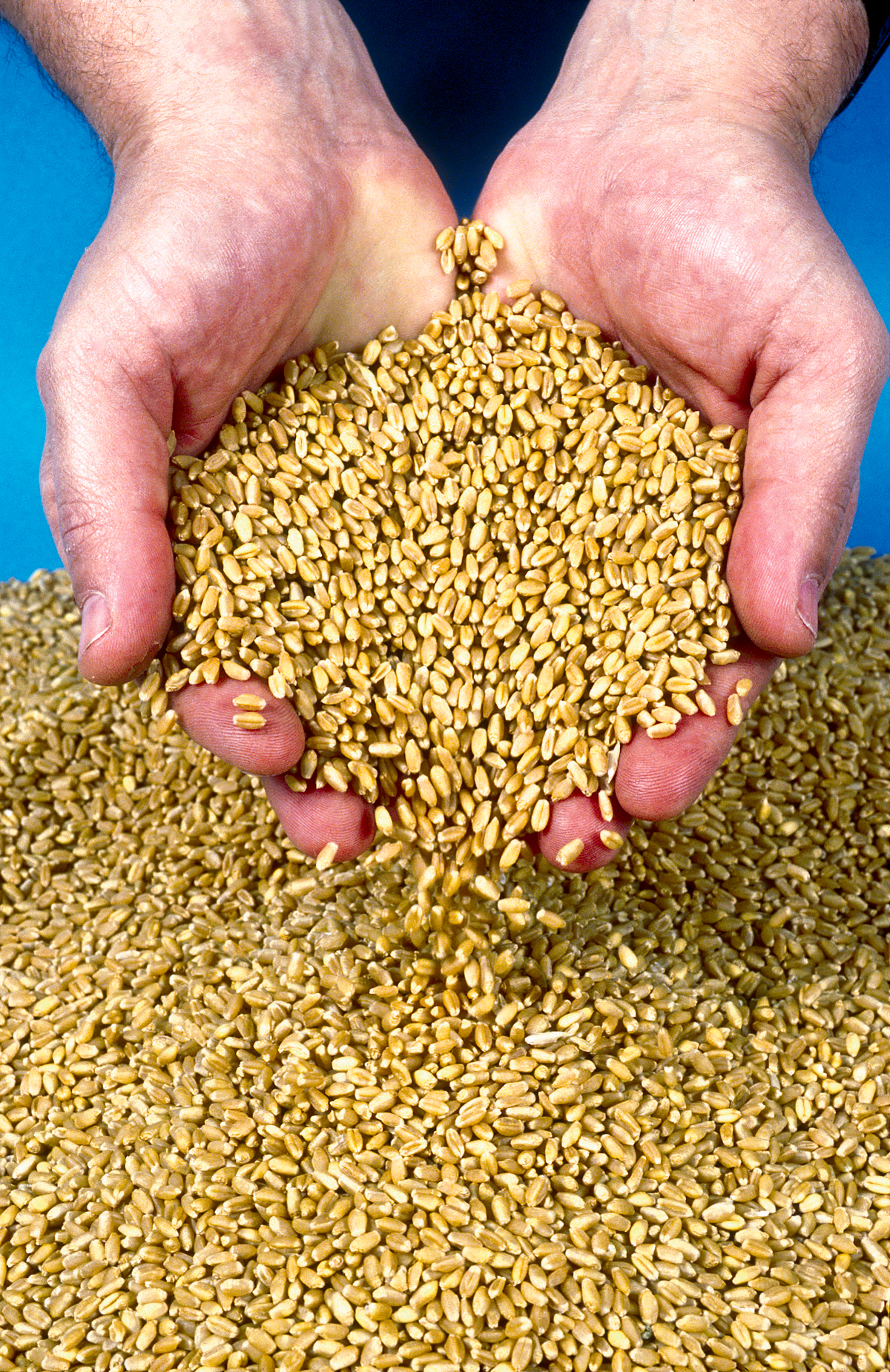
The grain exchange, proposed by Russia, would be a single digital platform where producers and buyers deal directly without outside intermediaries. Dhar argues it would cut the members' reliance on exchanges such as CME Group and ICE in the United States and Euronext in Europe, letting exporters earn better and steadier prices and importers pay less.
He links the idea to the work of Raul Prebisch and Hans Singer, who showed decades ago how commodity-exporting countries lost out in a trade system run by the North. He also notes that the leaders discussed widening the exchange beyond grains to other farm and non-farm commodities, which he says could improve its viability.
For import-dependent South Asian countries, the argument turns on whether such a platform can deliver what the declaration promises: less exposure to sudden price swings and fewer abrupt supply crises.
Photo: John Coppi, CSIRO / Wikimedia Commons (CC BY 3.0)
Source: Rural Voice

Comments
(0)