
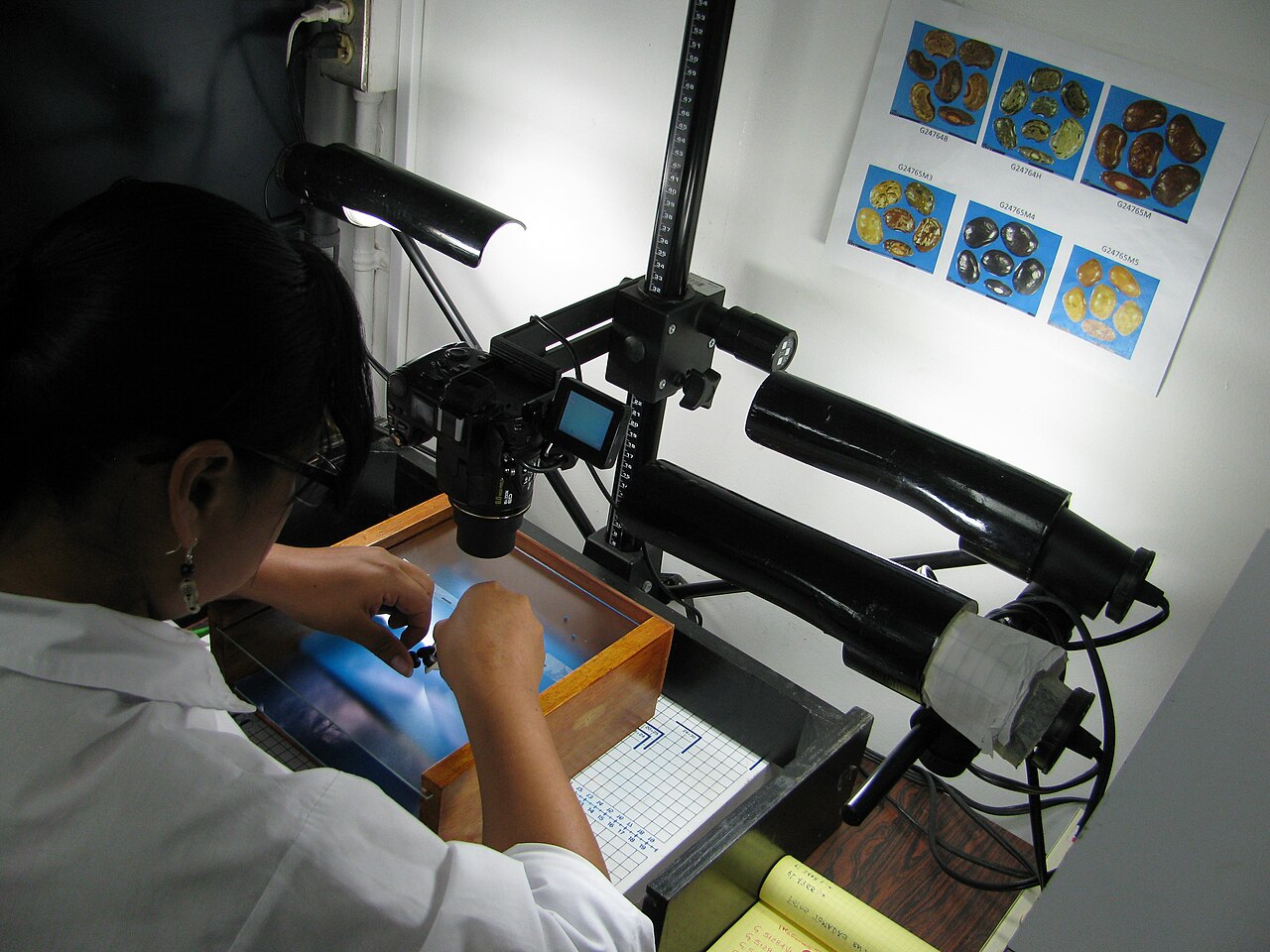
The heads of CGIAR and the Crop Trust have called on governments to fund genebanks reliably and to include them in national biodiversity plans, arguing that crop diversity is the foundation of food security. The opinion piece, by Ismahane Elouafi, Executive Managing Director of CGIAR, and Stefan Schmitz, Executive Director of the Crop Trust, was published ahead of the 2026 UN Biodiversity Conference.
They point to Target 4 of the Kunming-Montreal Global Biodiversity Framework, which calls for safeguarding genetic diversity so that wild and domesticated species can keep adapting. Conserving crops in genebanks, where seeds, plantlets or trees are kept in conditions for long-term viability, is a practical way to meet it, they write, because it gives breeders and researchers the material to develop new varieties.
The eleven CGIAR genebanks hold more than 720,000 samples of over 30 important crops and share them under the International Plant Treaty. Routine operations cost about USD 22 million a year. One peanut wild relative from Bolivia, Arachis cardenasii ICG 8216, kept in the ICRISAT genebank, contributed to at least 251 breeding lines in 30 countries and helped breed GPBD 4, a variety resistant to fungal diseases that gave farmers in India estimated benefits of about USD 200 million between 2006 and 2022.
Genebanks also return lost varieties to farmers. Between 1997 and 2020, the International Potato Center genebank sent nearly 15,000 samples, more than 1,500 native potato landraces, to 135 communities in Peru as disease-free planting material, which helped them grow healthier crops with higher yields.
According to FAO, more than 850 genebanks hold nearly 6 million seed samples worldwide, over 80 percent of them in national genebanks, many chronically underfunded. The authors warn that keeping seed alive needs constant work, testing, regrowing and documenting collections, and that even a short funding gap can cause irreversible losses.
They call for investment in infrastructure, equipment and training, wider use of cryopreservation for crops such as banana, potato and cassava, AI tools to search collections for useful traits, direct support to collections and contributions to the Crop Trust Endowment Fund for long-term financing.
Photo: Luigi Guarino / Wikimedia Commons (CC BY 2.0)
Source: CGIAR

Comments
(0)