

Jesmin Jeba, a lawyer at the Dhaka Judge Court, sees no alternative to rooftop gardens for greening the city. In a column in Samakal she argues that the government now needs a single policy that protects existing rooftop gardens, encourages new ones and sets environmental obligations. The views are the writer's own.
Citing the Agriculture Information Service and the Department of Agricultural Extension, she writes that Dhaka alone has roughly 450,000 roofs of multi-storey buildings, covering about 4,500 hectares. Surveys put Dhaka's population at about 5 million households living in roughly 500,000 buildings; if 60 percent of those roofs can carry a garden, about 300,000 roofs are suitable. Gardens exist today on about 5 percent of the city's roofs.
Her first proposal is a measurable official definition: what share of a roof must be green for the city corporation to record it as a rooftop garden. She also suggests ward-level targets and a monitoring cell to track them.
She wants regular training for residents: gardening in small spaces with technology, methods such as Miyawaki planting and aquaponics, and safe practice on waterproofing, drainage and waste so that buildings are not damaged. Training should also counter the belief that a rooftop garden is a breeding ground for dengue mosquitoes, she writes.
On the law, she proposes that tenancy clauses such as 'no gardening on the roof' or 'plants not allowed' be made void through legal reform. She suggests guidelines under the Environment Conservation Act 1995 and the Environment Conservation Rules 2023; amendments to the Bangladesh National Building Code and the Real Estate Development and Management Act 2010 to make rooftop gardens and green drainage mandatory in new high-rises; holding-tax rebates under the Local Government (City Corporation) Act 2009; and protection of tenants' right to use the roof in the House Rent Act 1991.
The proposals matter most to people who already farm their roofs or want to, and to tenant families in particular, because tenancy terms and tax rebates decide whether they can use the roof at all. In her words, if rooftop gardens become a recognised part of urban management rather than a private hobby, the country becomes more liveable.
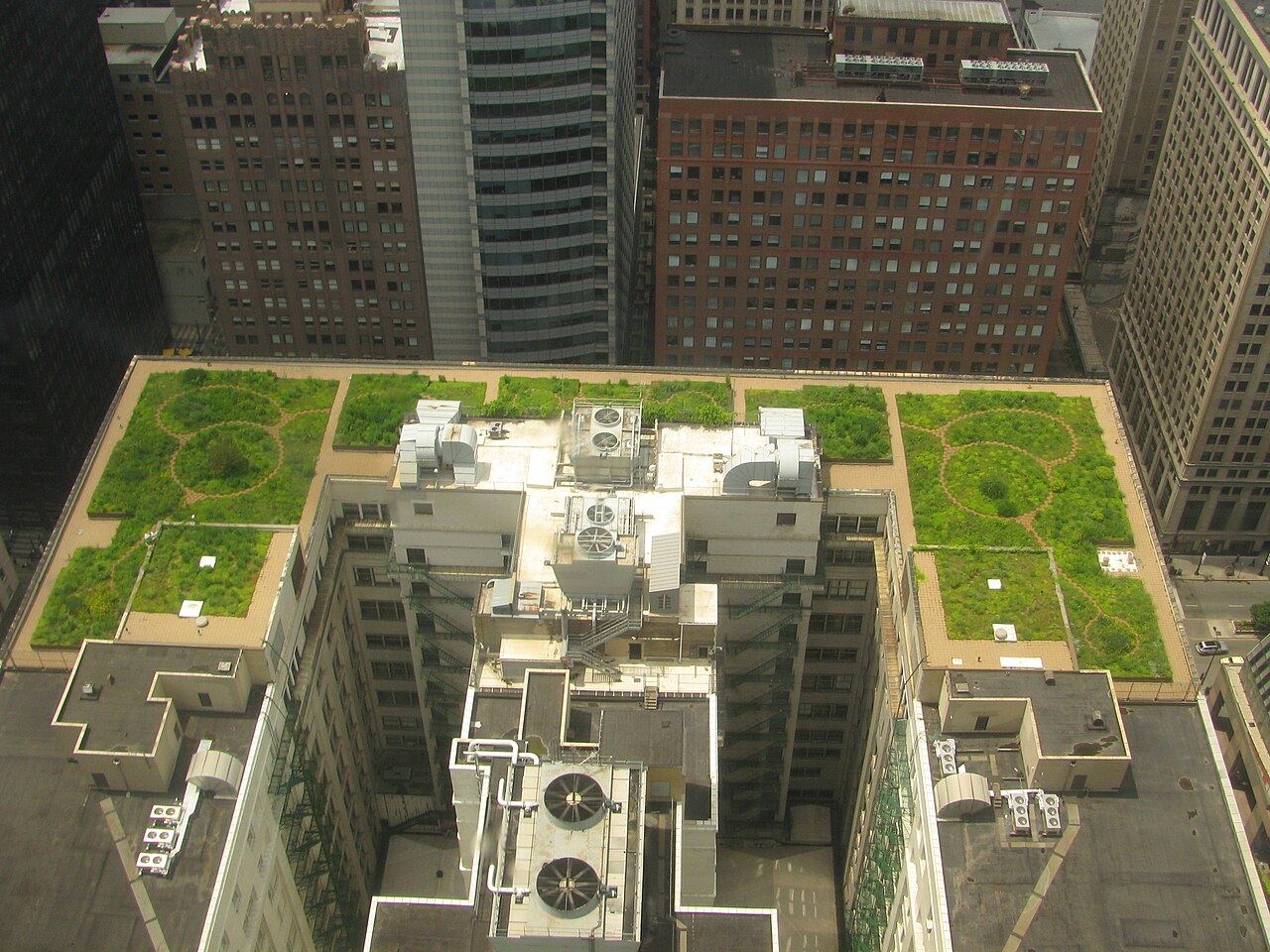
Photo: Press Information Department / Wikimedia Commons (public domain)
Source: samakal



Comments
(0)