
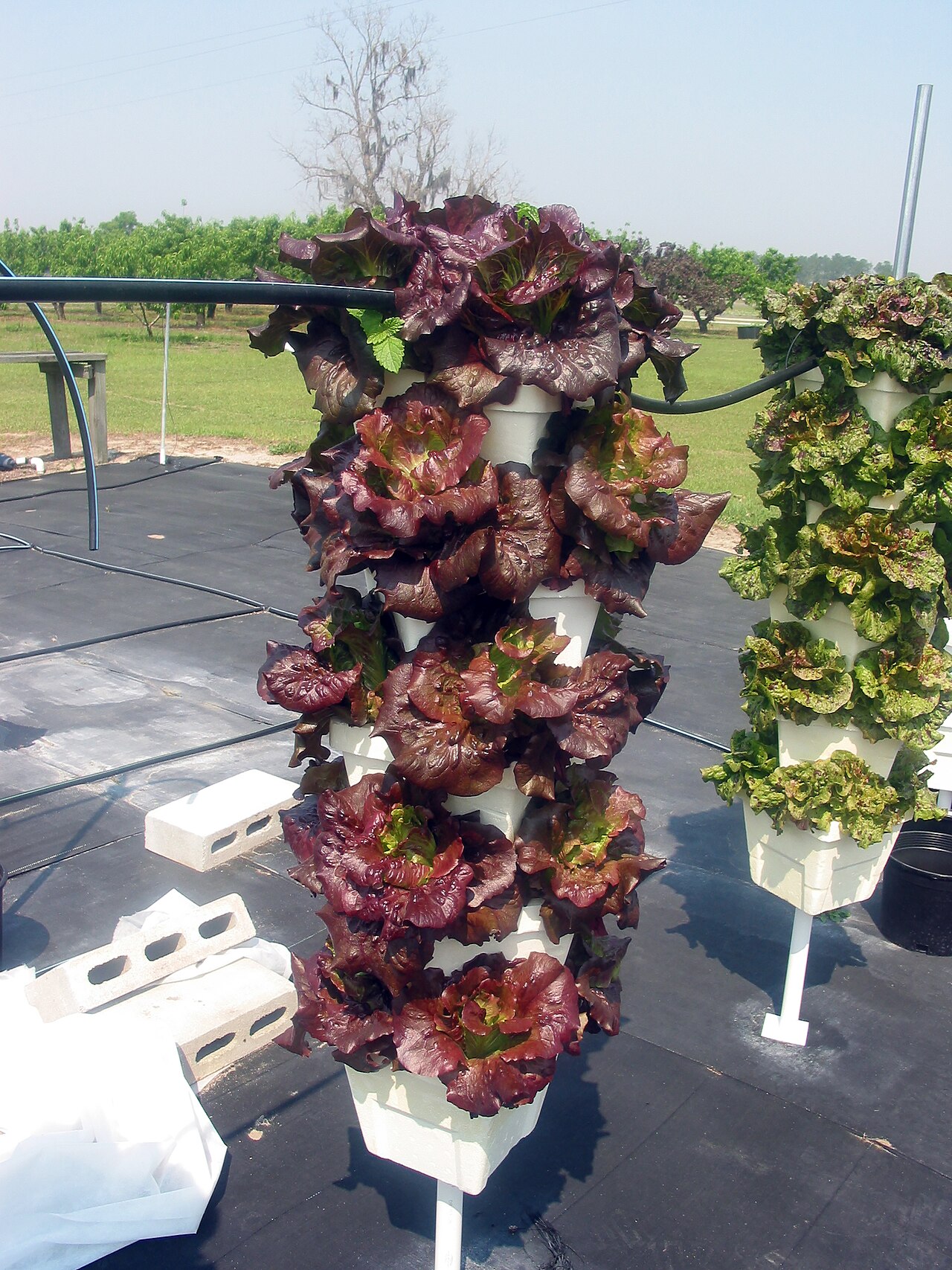
Mogale Maleke, a mechanical engineer and runner-up in this year's Gauteng Young Farmer of the Year competition, is building hydroponic systems for small and medium-scale South African farmers who have little land, little water and unreliable electricity.
Maleke, who holds a master's degree in mechanical engineering from the University of Johannesburg, became interested in farming while researching urban agriculture in Gauteng in 2016. The research showed that city growers were held back by small plots and scarce water. "I thought there must be some sort of technological solution," he told Food for Mzansi.
His company, AB Farms, now designs, makes and installs hydroponic systems, which grow plants without soil in water-based nutrient solutions and recycle the water, and adapts them to places where the power supply is unreliable. It also grows and sells its own vegetables. The systems can go on rooftops or on patches of farmland with poor soil. Spinach, Swiss chard, lettuce, herbs and microgreens suit them, as do tomatoes, peppers and cucumbers.
Maleke warns that hydroponics is "not a shortcut to profitability". It is more technical than soil farming, and returns can take time. He advises starting with a small system, learning by doing and expanding as knowledge grows, and checking with local buyers that there is demand before scaling up. AB Farms sells to processors serving restaurants and hotels, to independent retailers and to the Johannesburg fresh produce market.
The farm doubles as a demonstration, research and training site where other farmers can see the systems working. "We're better as farmers when we collaborate," Maleke said, adding that for young farmers "perseverance and patience" go a long way.
For crowded cities and peri-urban areas in South Asia, his advice on small starts and secured markets applies just as well. The profile was written by Patricia Tembo.
Photo: Battledp / Wikimedia Commons (CC BY-SA 4.0)
Source: Food for Mzansi

Comments
(0)