
Australian start-up FieldSense plans to launch its electric FSR500 field robot in early 2027, a 600 kg machine with a 500 kg payload and a 300-litre spray tank built from readily available parts that farmers can replace themselves, Future Farming reports.
Co-founder and chief executive Dale Creed said the light weight is deliberate, to reduce soil compaction while carrying a large payload and crossing difficult ground. The Melbourne company is in the final stages of a funding round that has not yet been signed off. "We are solely focused on ensuring that the components that we use are easily accessible and easy to repair," Creed said, so farmers can fix problems on the spot instead of waiting weeks for parts.
In trials the earlier prototype has broadcast-sprayed about 100 hectares at 5 km/h, navigating by RTK positioning with Starlink and 4G backup and working up to six hours without intervention. FieldSense aims for 10 km/h, with two 5.5 kWh batteries giving about six hours of work, and estimates about 3 hectares an hour including refills at 100 litres per hectare, figures still to be confirmed in field testing. Batteries are swapped by hand for now and take about four hours to recharge.
Not everything is working yet. Spot spraying has only been tested in the workshop; an autonomous refill station with a 3,000-litre buffer tank, battery-swap docks, team working between robots and night operation are in development, and AI weed recognition and UV treatment have not been demonstrated. Every spray job is to be logged with volume, product, weather, time and GPS location for compliance.
Creed said farmers are under strain from machinery costing half a million or more and high diesel prices, and that a lighter, cheaper robot can take over some of that work. He gave no price for the FSR500.
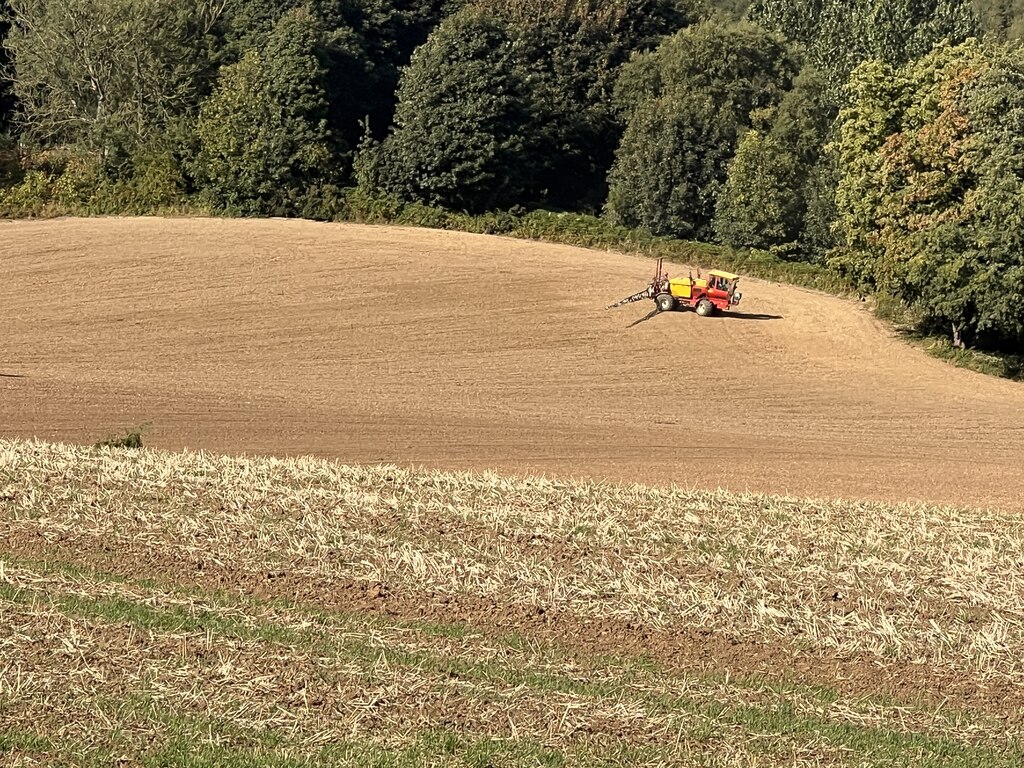
Photo: Jay Pea / Wikimedia Commons (CC BY-SA 2.0)
Source: Future Farming



Comments
(0)