
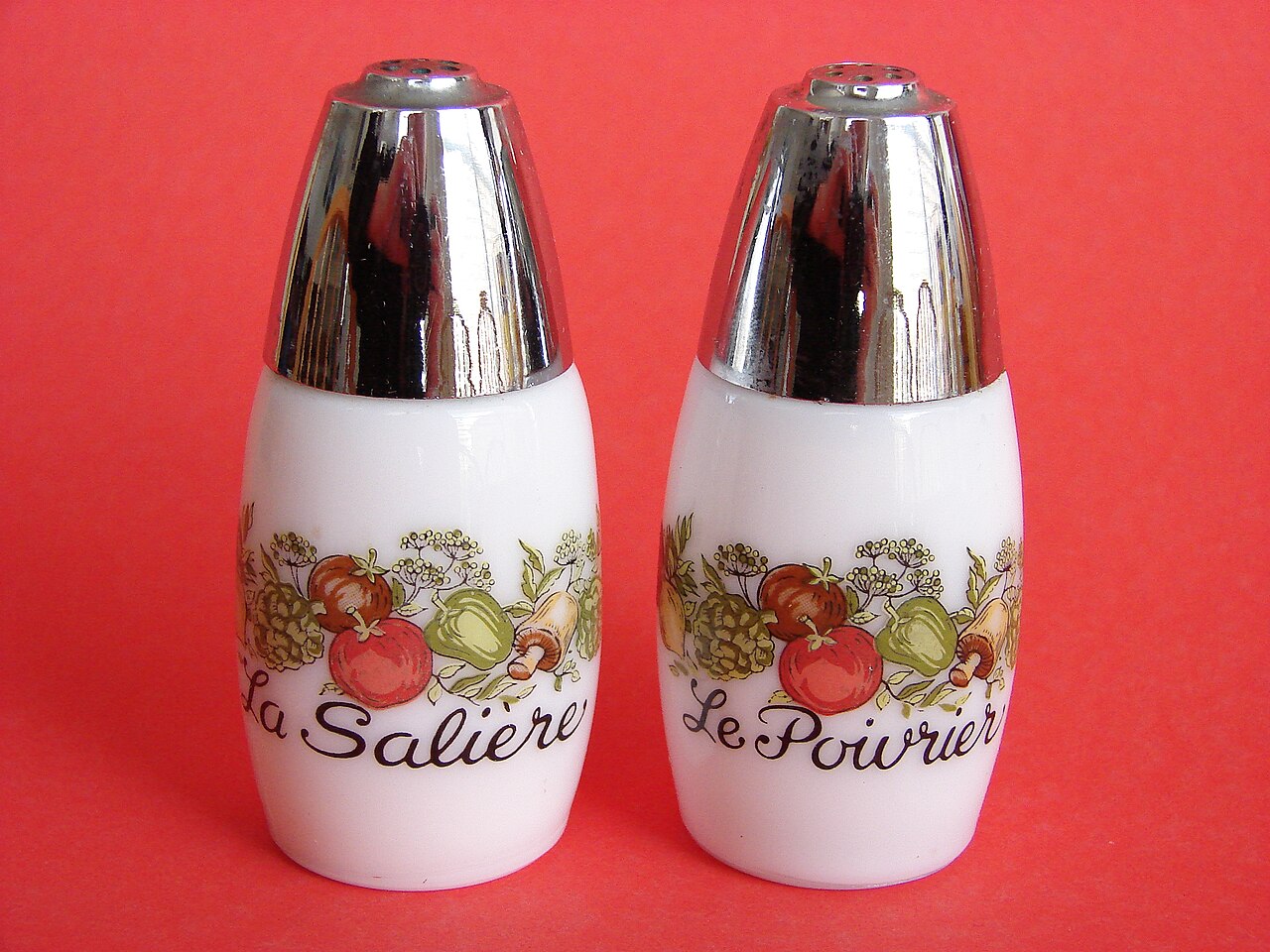
The US Food and Drug Administration has finalised a rule that allows manufacturers to use salt substitutes in 139 standardised foods where the food's "standard of identity" currently requires or permits salt but not a substitute, FoodNavigator reports. The rule was published on 13 October.
The FDA amended 80 standards of identity; because 59 more cross-reference them, the change reaches 139 in total. They include many cheeses; bread, rolls and buns; self-rising flour and cornmeal; macaroni and noodle products; canned vegetables, fruits and some fish and shellfish; tomato products; chocolate and cocoa products; and margarine, mayonnaise and certain syrups.
Rather than listing approved substitutes, the FDA defines a salt substitute as a safe and suitable ingredient, or combination of ingredients, that replaces some or all of the added sodium chloride, lowers sodium and performs at least one of salt's functions in the food. It must comply with existing food-safety and food-additive rules and preserve the food's essential characteristics, including salt's roles in taste and microbial safety.
More than 70% of Americans' sodium comes from salt added during manufacturing and commercial food preparation, the FDA says. The agency is pursuing voluntary targets to bring average intake to about 2,750 milligrams a day, around 20% below pre-2021 levels though still above the 2,300 milligram cap in the Dietary Guidelines for Americans over 14. Its draft Phase II targets cover 163 food categories and subcategories. The FDA says the rule supports the Make America Healthy Again initiative.
The rule drew more than 120 comments, some raising concerns about the safety of potassium-based substitutes for people who must limit their potassium intake. The FDA said the rule does not authorise any otherwise unapproved food additive and that substitutes must meet existing safety requirements.
Most of the amendments take effect on 14 December. For milk products and cheeses, which fall under a different provision of the Federal Food, Drug, and Cosmetic Act that allows formal objections and a hearing request, objections are due by 12 November.
Photo: Loadmaster (David R. Tribble) / Wikimedia Commons (CC BY-SA 3.0)
Source: FoodNavigator



Comments
(0)