
Agriculture is deeply connected to Bangladesh’s economy, food security and rural livelihoods. A large part of the country’s population depends directly or indirectly on agriculture. At the same time, Bangladeshi farmers are facing increasingly complex challenges, including climate change, declining land availability, soil degradation, water stress, rising production costs, pests and diseases, labour shortages and market uncertainty.
These challenges require more than traditional agricultural practices. They require strong scientific research supported by reliable local data and effective links between researchers, extension services and farmers.
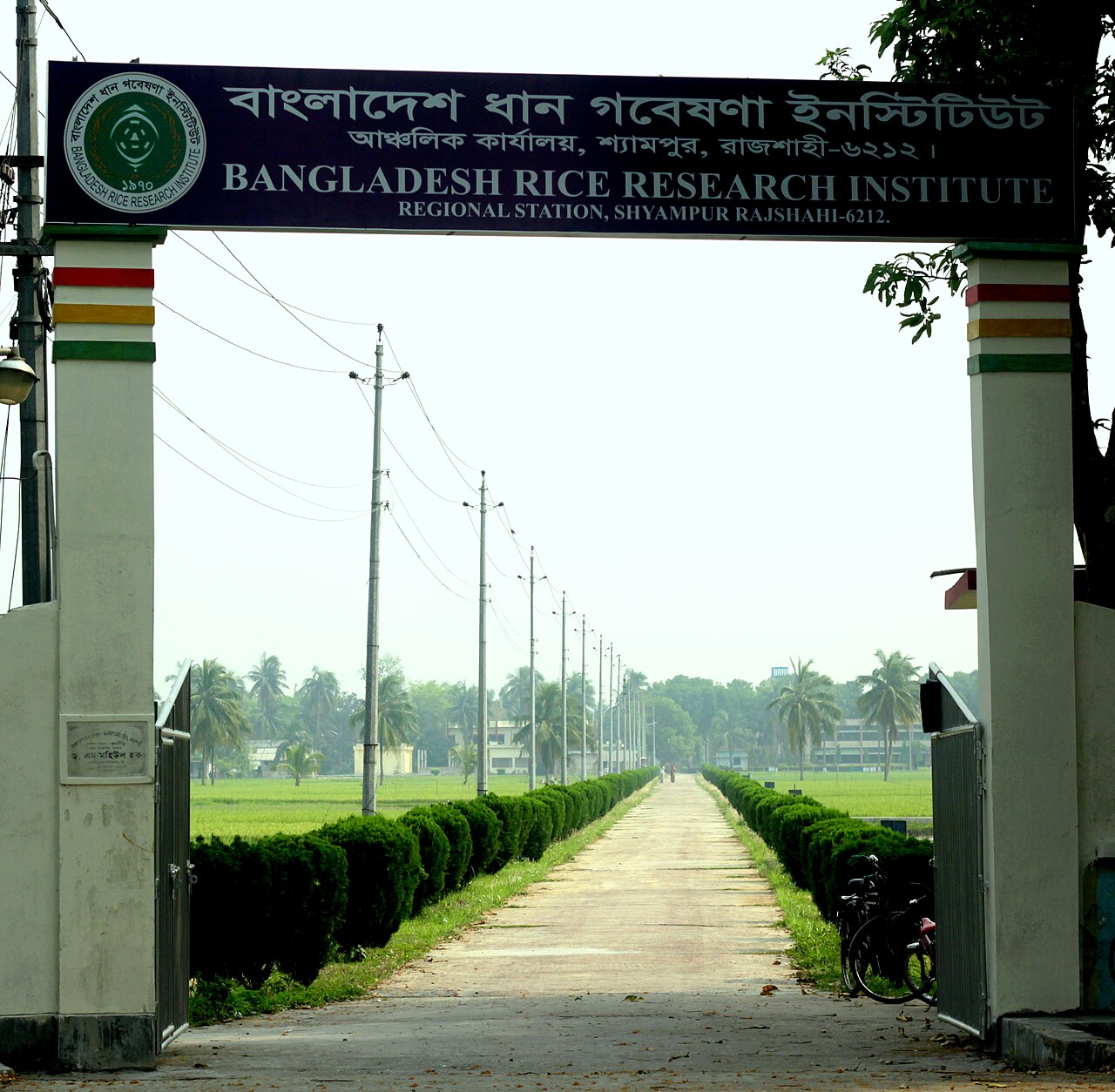
It would not be accurate to say that agricultural research is absent in Bangladesh. Institutions such as the Bangladesh Agricultural Research Council (BARC), Bangladesh Rice Research Institute (BRRI), Bangladesh Agricultural Research Institute (BARI), universities and various public and private organisations have been conducting agricultural research for decades.
The more important question is:
How much of this research is reaching the field and contributing to practical solutions for Bangladesh’s farmers?
This question deserves greater attention.
Is Publication the Main Goal of Research?
Producing new knowledge is one of the fundamental purposes of research. Research papers, journal publications and academic conferences contribute to the global body of knowledge.
However, for applied agricultural research, publication should not be the end of the journey.
A stronger research pathway can be:
Farmer Problem → Field Data → Research Question → Scientific Research → Field Validation → Solution → Extension → Farmer Adoption → Measurable Impact
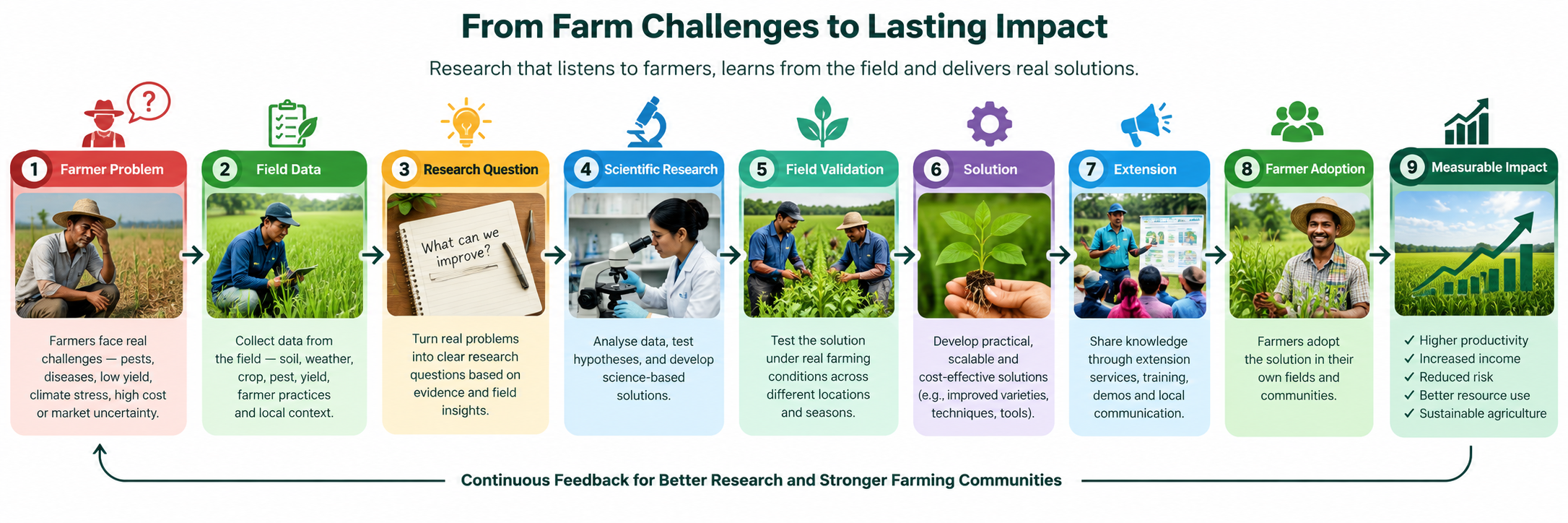
In this model, research begins with a real problem faced by farmers. Data are collected from the field, the problem is scientifically investigated, the findings are validated under real farming conditions, and useful solutions are transferred to farmers.
The ultimate goal is not simply to produce knowledge but to determine whether that knowledge can create measurable improvements in productivity, income, resource efficiency, risk management or sustainability.
Strengthening the Research–Extension–Farmer Link
One of the important challenges for agricultural research systems is maintaining an effective connection among research institutions, agricultural extension services and farmers.
Research institutions may develop new technologies and knowledge, but their impact depends heavily on how effectively those results are communicated, demonstrated and adopted in farming communities.
At the same time, farmers continuously face new problems. These problems should return to research institutions as new research questions.
Therefore, the relationship should not be a one-way process:
Research → Extension → Farmer
It should instead be a continuous feedback loop:
Research Institution ↔ Extension Service ↔ Farmer
Such a system can help ensure that research remains connected to real agricultural needs.
Bangladesh Needs More Local Evidence
Agriculture in Bangladesh is highly diverse.
The agricultural conditions of Rajshahi are not identical to those of Khulna, Barishal, Sylhet or the haor regions. Even within the same district, soil characteristics, water availability, rainfall, irrigation, crop varieties, pest pressure and farming practices can vary considerably from one area to another.
Therefore, national averages alone cannot always explain village-level agricultural conditions.
Bangladesh needs stronger local and village-level evidence. Such evidence can include:
- Soil characteristics
- Weather and rainfall
- Crop varieties
- Sowing and harvesting dates
- Irrigation
- Fertiliser use
- Pest and disease pressure
- Crop management
- Production costs
- Market prices
- Yield
- Farmer income
- Climate and production risks
When these data are collected systematically over multiple years, researchers can develop a much clearer understanding of how agricultural systems change over time.

From One-Time Surveys to Longitudinal Agricultural Data
Agriculture is a dynamic system.
A high yield in one year does not necessarily mean that the same field will produce the same yield the following year.
For this reason, agricultural research needs long-term datasets in addition to one-time surveys. A useful structure could be:
Village × Field × Crop × Variety × Season × Year
This can be linked with soil, weather, irrigation, fertiliser, pest, remote sensing, market and farmer-management data.
Longitudinal data can help researchers move beyond the question of “What happened?” to more complex questions:
Why did it happen? What factors contributed to it? What may happen next?
This is particularly important for developing predictive agricultural models.
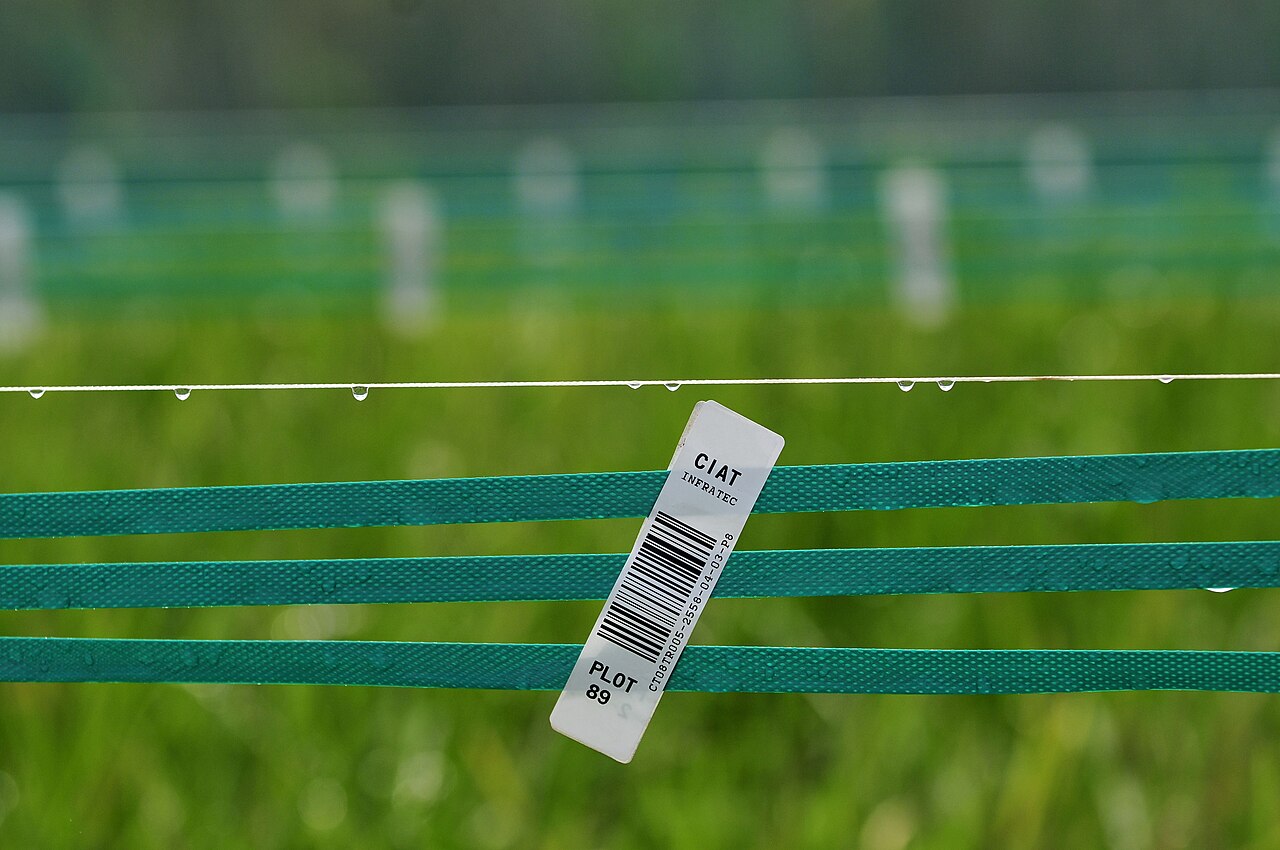
Farmers’ Fields Should Become an Important Research Environment
Laboratories and research stations remain essential for agricultural science. However, many agricultural technologies ultimately need to be tested under real farming conditions.
A new crop variety, fertiliser strategy, irrigation method, pest-management technology or AI-based advisory system may perform well under controlled research conditions. That does not automatically mean it will work equally well for every farmer.
This is why participatory field research is important.
Farmers should not be treated only as data providers. They can also become active participants in identifying problems, testing solutions and evaluating research outcomes.
A multidisciplinary team could include:
Researcher + Farmer + Extension Officer + Agronomist + Data Scientist + Local Institution
Such collaboration can connect scientific evidence with practical agricultural knowledge.
Research Success Should Also Be Measured by Impact
The number of research papers published is an important academic indicator, but it should not be the only measure of success for applied agricultural research.
Researchers and institutions should also consider:
- Knowledge: What new knowledge was generated?
- Evidence: How reliable is the evidence?
- Validation: Does the finding work under field conditions?
- Adoption: Are farmers adopting the solution?
- Productivity: Has agricultural productivity changed?
- Cost: Has production cost changed?
- Income: Has farmer income changed?
- Risk: Has production risk been reduced?
- Sustainability: What are the effects on soil, water and the environment?
- Policy: Has the evidence contributed to policy or planning?
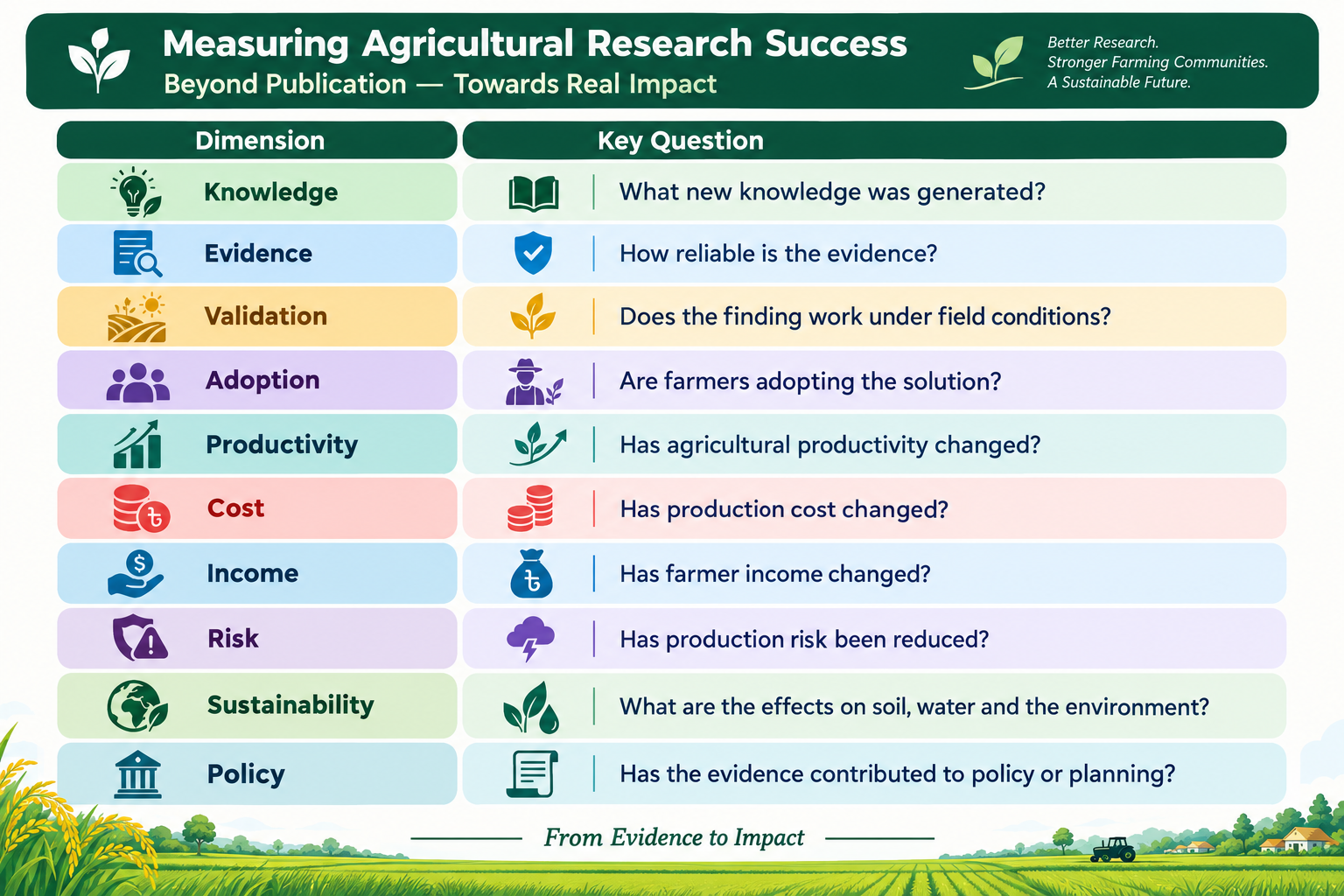
This suggests a broader research pathway:
Publication → Evidence → Field Validation → Adoption → Impact
The entire pathway deserves attention.
The Opportunity of AI, Big Data and Remote Sensing
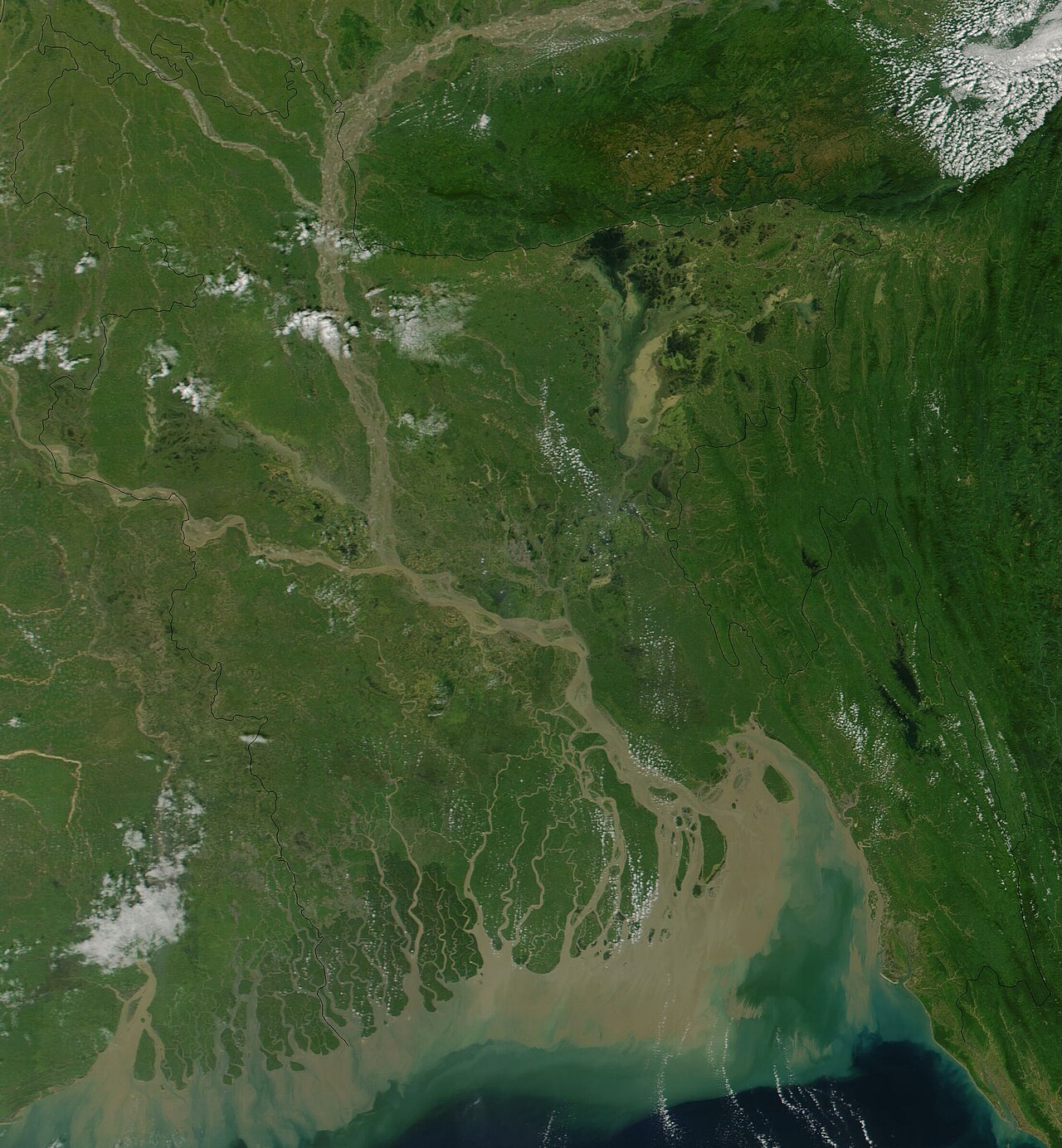
Bangladesh has an emerging opportunity to combine traditional agricultural research with Artificial Intelligence, Machine Learning, Remote Sensing, IoT and Big Data Analytics.
Satellite data, soil data, weather information, crop observations, yield records and farmer data can potentially be combined to develop systems for:
- Village-level yield prediction
- Climate-risk assessment
- Irrigation planning
- Pest and disease monitoring
- Crop suitability analysis
- Soil-health assessment
- Harvest prediction
- Agricultural decision support
However, one important principle should not be overlooked:
Using AI does not automatically make research better.
AI models depend on reliable, representative and high-quality ground data.
Therefore, one of the most important investments for the future of agricultural research in Bangladesh should be a strong national agricultural data infrastructure.
The Need for a National Agricultural Research Data Bank
Bangladesh could develop an integrated agricultural data framework covering villages, unions and upazilas over multiple years. Such a system could include:
- Administrative Data: District, Upazila, Union and Village
- Soil Data: pH, organic carbon, nitrogen, phosphorus, potassium, texture and moisture
- Climate Data: Temperature, rainfall, humidity and solar radiation
- Crop Data: Crop, variety, sowing date, management practices and yield
- Economic Data: Input costs, labour costs, market prices, production value and net income
- Remote Sensing Data: NDVI, EVI, NDWI, NDMI and other vegetation indices
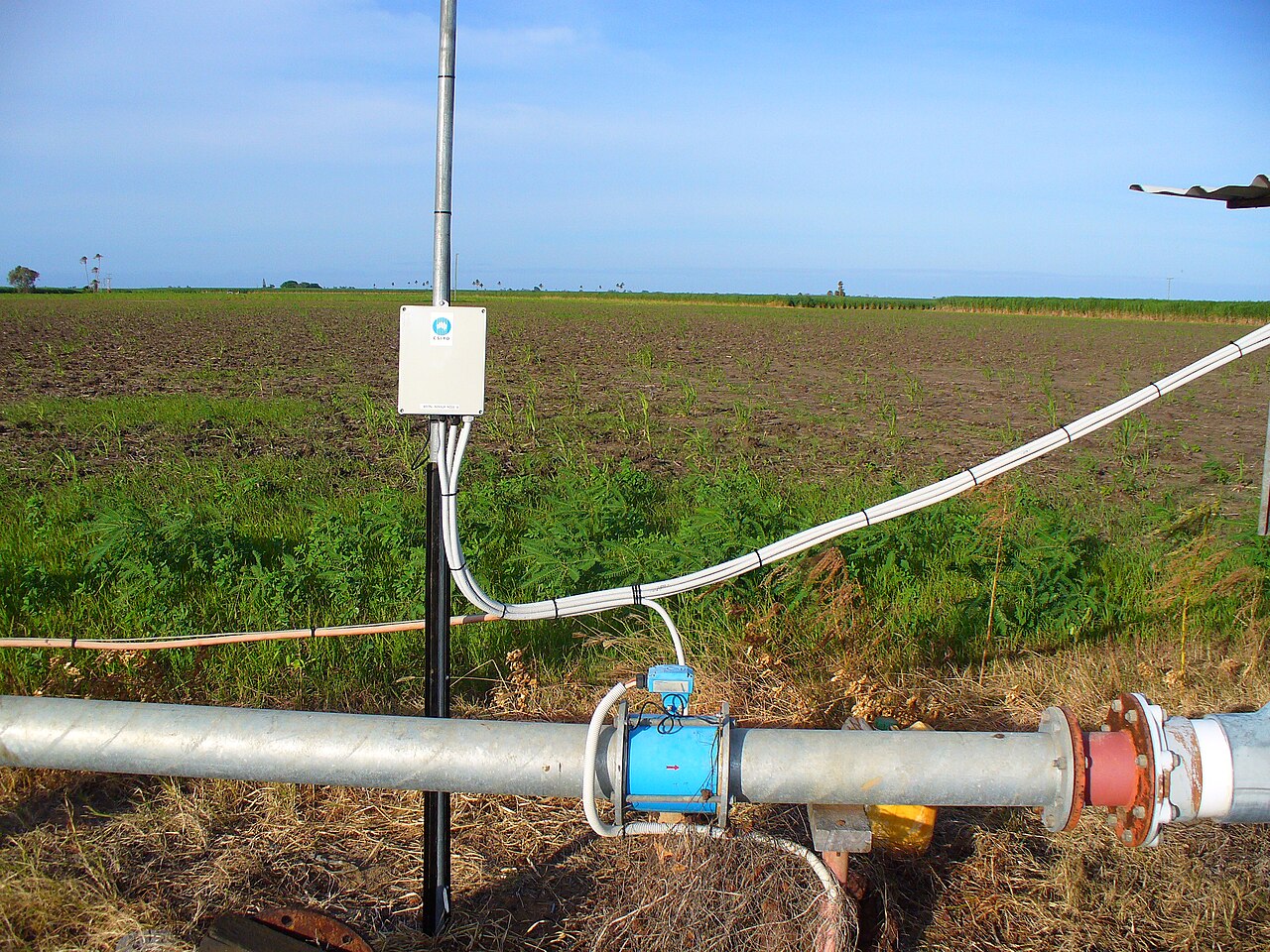
- IoT Data: Soil moisture, temperature, electrical conductivity and other sensor observations
- Farmer Data: Problems, technology adoption, feedback and field experience
Such an infrastructure could make agricultural research more evidence-based, location-specific, reproducible and useful for decision-making.
The Issue Is Not Whether Bangladesh Has Agricultural Research
Bangladesh has a significant history of agricultural research and technology development. Research institutions and universities have contributed to crop improvement, soil and water management, disease control, agricultural technologies and food security.
Therefore, the discussion should not be framed simply as whether agricultural research exists in Bangladesh. The more constructive question is:
How effectively are research findings reaching farmers, and how quickly are farmers’ emerging problems returning to the research system?
The objective should be to strengthen the existing system and make it more:
- Farmer-centred
- Field-driven
- Data-driven
- Collaborative
- Impact-oriented
A Change in Research Culture
The future of agricultural research in Bangladesh should not be measured only by the number of journal publications.
A stronger research culture would encourage researchers to:
- Go to the field.
- Talk to farmers.
- Identify real problems.
- Collect reliable data.
- Develop research questions.
- Conduct scientific research.
- Validate findings in real fields.
- Collect farmer feedback.
- Develop practical solutions.
- Return to the field and measure whether those solutions actually work.
This is the foundation of Research with Impact.
The future of Bangladesh’s agriculture will not depend only on improved varieties, fertilisers, irrigation or modern machinery. It will increasingly depend on the integration of reliable data, scientific research, local knowledge, technology and farmers’ real-world experience.
Therefore, the objective of agricultural research should not simply be More Research. It should be:
More Relevant Research.
And the research pathway should extend beyond publication:
Publication → Evidence → Field Validation → Adoption → Impact
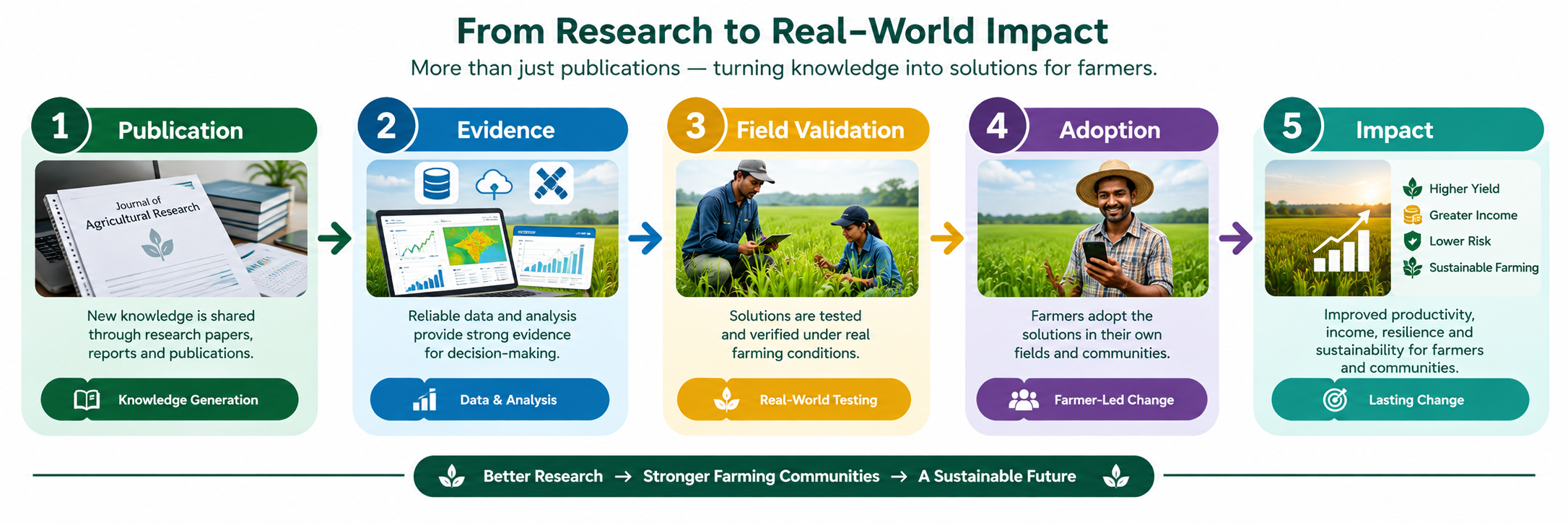
Strengthening this entire pathway can help ensure that agricultural research contributes not only to academic knowledge but also to real improvements in farming communities.
If research findings do not reach farmers, if they do not help address production challenges, and if they do not contribute to better decisions, productivity, income or resilience, their practical impact remains limited.
Bangladesh needs agricultural research that does more than generate knowledge—it should help generate solutions.
And one of the most important laboratories for that research can be the farmer’s field itself.
The final destination of research should not be the journal alone. One of its most important destinations should be positive change in people’s lives.
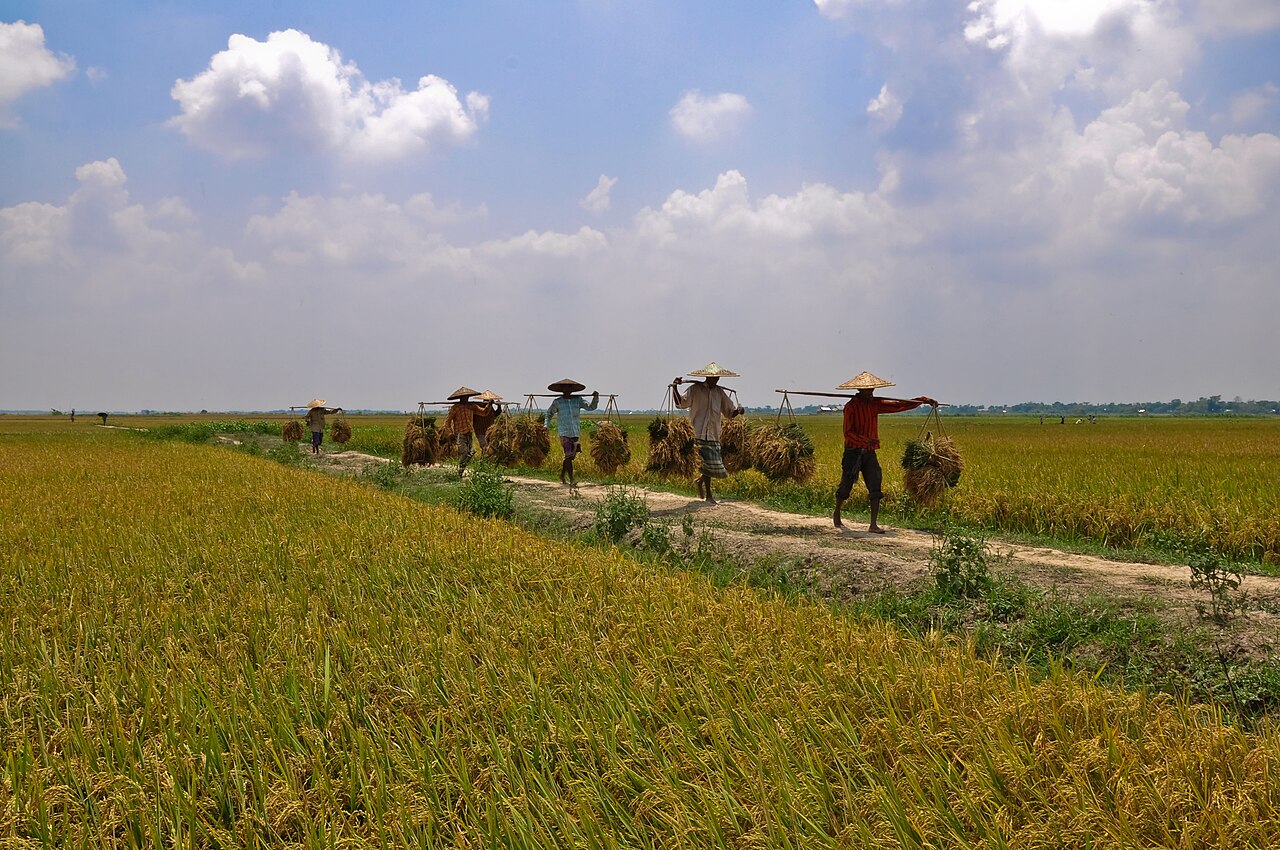
Cover photo: Farmers carry harvested paddy across a haor in Sunamganj. Photo: Balaram Mahalder / Wikimedia Commons (CC BY-SA 3.0)

Comments
(0)