
World food inflation could rise further in the coming months, experts forecast, as war disrupts shipping, energy and fertiliser stay expensive and El Nino-driven drought threatens grain harvests. The pressure may last through 2027. The hardest hit are poor households in low- and middle-income countries across the Middle East, North Africa and Asia, which spend a large share of their income on food.
Maximo Torero, chief economist of the UN Food and Agriculture Organization (FAO), said food supply systems are under considerable strain, with a big impact likely late this year, early next year and possibly throughout 2027. FAO's Food Price Index averaged 136 points in September, the highest since November 2022. World Bank data show that in 22 percent of 150 countries, food inflation outpaced overall inflation in the third quarter of this year, up from 14 percent the quarter before.
Attacks on grain-shipping infrastructure in the Black Sea region are disrupting wheat cargoes, forcing big importers such as Egypt and Indonesia to look for other suppliers. Security risks in the Red Sea are sending ships the long way round Africa, raising costs; freight on some routes, notably from the Black Sea to Southeast Asia, is up about 50 percent. The US and Israeli war around Iran has lifted energy prices and disrupted fertiliser exports through the Strait of Hormuz, raising the cost of farming, while El Nino's dry weather puts crops in India and Southeast Asia at risk.
According to the report, international wheat prices have risen more than 30 percent in 2026, and rice prices in Asia's main exporting countries are up 10 to 13 percent despite large stocks. Fertiliser prices have eased from the peak reached early in the Iran war but remain high. In Egypt, a large unsubsidised loaf rose from four pounds in July to almost five Egyptian pounds; cooking oil in the UAE is up nearly 40 percent, and edible oil in Indonesia, the world's largest palm oil producer, is up 7 percent this year. In India, production shortfalls pushed sugar, onion and pulse prices up more than 10 percent in September from August.
Demand may add to the pressure. After good harvests, several large importers in the Middle East and Africa had cut purchases, but as local stocks run down they may have to return to the market. Alexander Karavaytsev, senior economist at the London-based International Grains Council, said a large new wave of demand could build within months once importers come back. Torero said good past harvests and record global grain stocks had cushioned the market, but that cushion is now under strain, so prices could rise faster.
Food processors face higher costs too. They usually buy raw materials on three- to six-month contracts and are paying more as those are renewed, while weaker local currencies raise costs further for import-dependent countries. Manish Tiwary, chairman and managing director of Nestle India, said food inflation is now a real problem. Franciscus Welirang, a director of PT Indofood, Indonesia's largest food producer, said freight has gone up and the weaker rupiah makes dollar-priced imports even dearer in local currency.
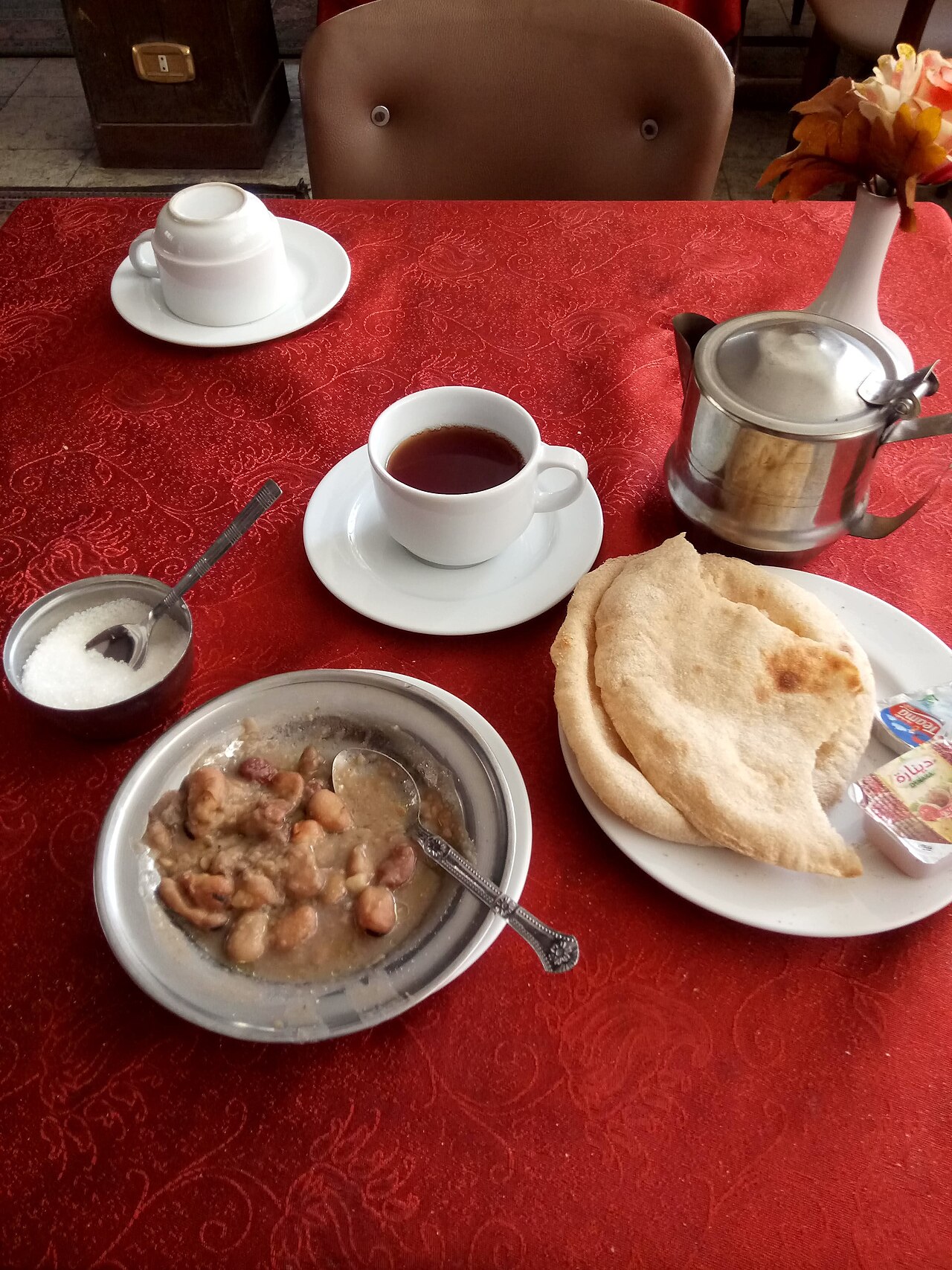
Photo: H. Hakan Atik / Wikimedia Commons (CC BY-SA 4.0); aish baladi bread and ful medames on a Cairo breakfast table, representative picture
Source: Samakal


Comments
(0)