
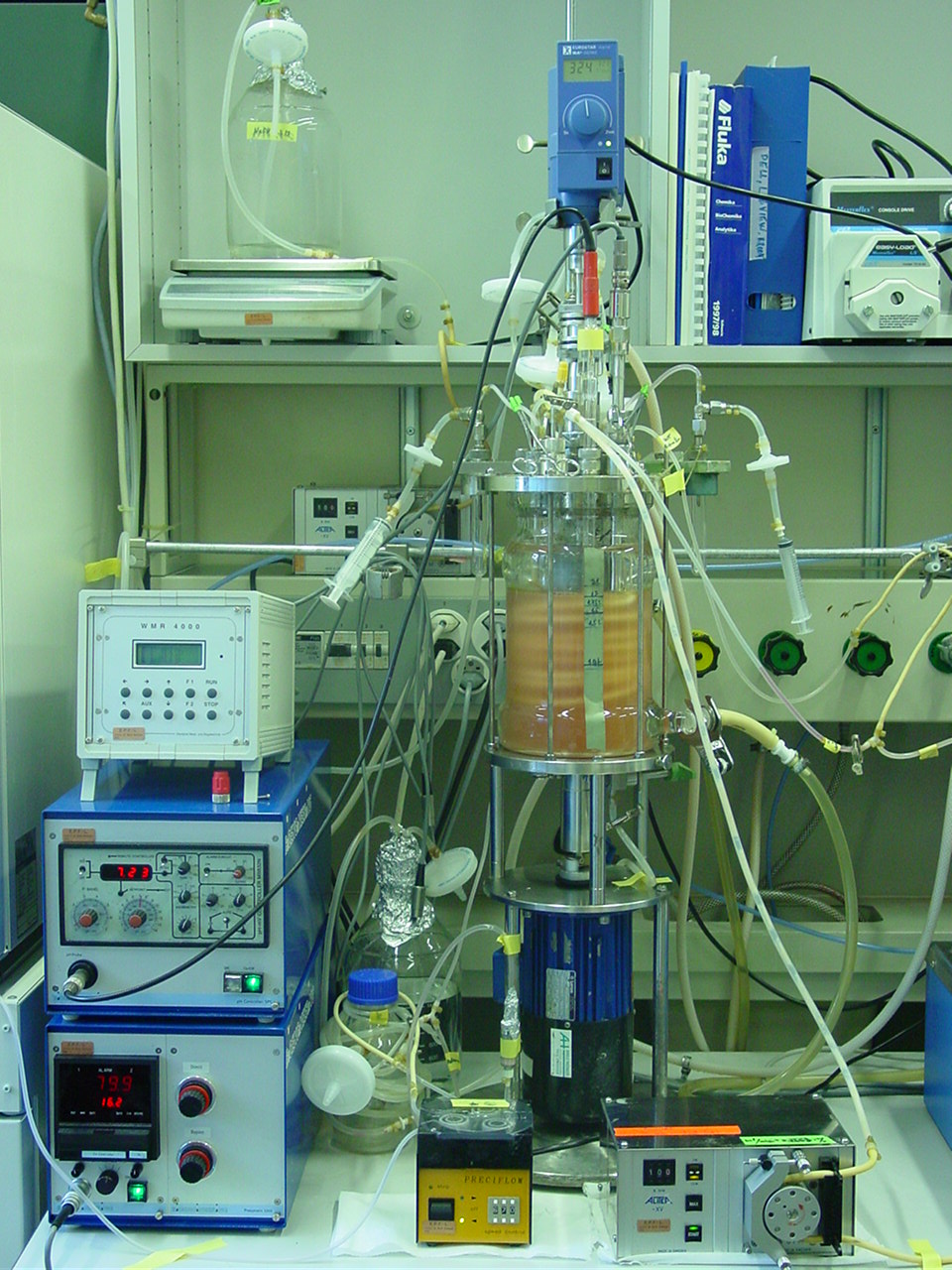
Two cultivated meat companies, Israel's Ever After Foods (EAF) and Scotland's Roslin Technologies, say that combining their technologies has produced structured cultivated tissue with far higher protein and productivity than the usual method. Growing cells directly on EAF's edible scaffold gave 19 times higher protein and dry-biomass productivity, and 11 times higher wet-biomass productivity, than a stirred-tank suspension benchmark, they report.
Cost is the industry's main obstacle. "Manufacturing productivity is one of the biggest factors determining whether cultivated meat can become economically viable," EAF chief executive Eyal Rosenthal told Green Queen. More output from the same volume means less equipment, infrastructure and running cost per kilogram, he said, and because tissue grows straight onto an edible scaffold, separate cell harvesting and processing steps are reduced.
Roslin, a University of Edinburgh spinout, supplied pig pluripotent stem cells, which can multiply indefinitely and grow fast in low-cost, food-safe media. They were first expanded in suspension as clumps in serum-free media, then broken up and seeded into EAF's packed-bed bioreactor, where they attached to its plant-based PlantriX scaffold. Cell density reached 150 million cells per millilitre in nine days, a 62-fold increase.
Per litre, the system yielded 326 grams of wet biomass, 57 grams of dry biomass and 40 grams of cultivated protein, from a cell density five times higher than the benchmark and four times more protein per cell. The scaffold made up less than 2 percent of the final product by weight, and it and the growth media were excluded from the figures, the companies say.
"These projections still need to be validated at commercial scale," Rosenthal said of the company's modelling of lower capital and production costs. EAF, a joint venture of cell agriculture firm Pluri and Israel's largest food company, Tnuva, has built a 200-litre modular system with the Swiss engineering group Bühler and names industrial-scale validation as its next milestone. It sees pet food as a possible early market and is also exploring cultivated seafood.
No regulatory approval has been sought yet; EAF says it is preparing for Singapore, Israel and the United States, with requirements depending on each partner's product, cell line and market.
Photo: Jonas Schenk / Wikimedia Commons (Public domain)
Source: Green Queen


Comments
(0)