
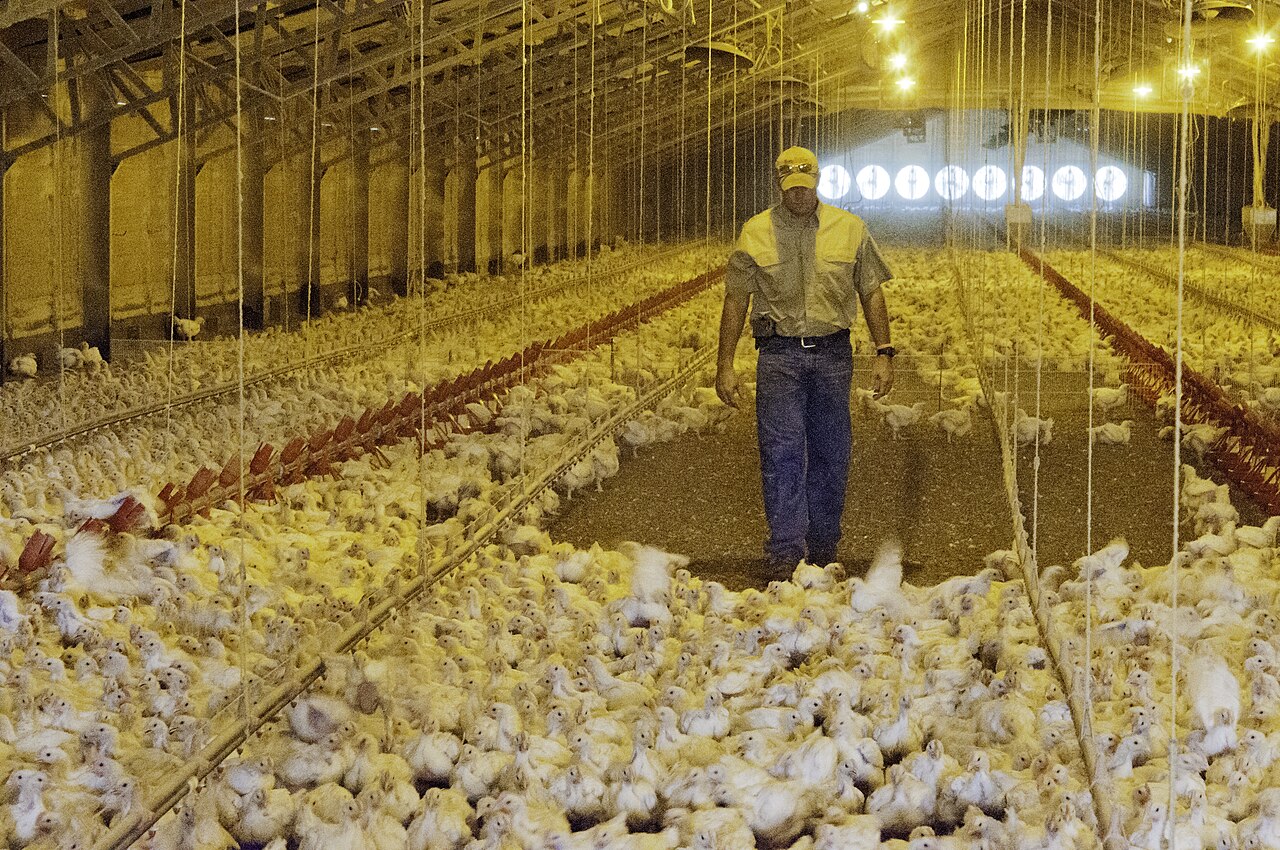
The European Union has suspended imports of poultry and poultry products from six zones in Canada, the United Kingdom and the United States where highly pathogenic avian influenza (HPAI) has been confirmed. The suspension took effect on 8 October under Commission Implementing Regulation (EU) 2026/2268, dated 7 October and published in the EU's Official Journal the next day.
The zones are two in Manitoba and one in Alberta, Canada; the Isle of Lewis area of Scotland; and Stearns County, Minnesota, and Jay County, Indiana, in the United States. The outbreaks involve H5N1, H5N5 and H5 strains, confirmed between 23 September in Manitoba and 2 October in Scotland.
The Scottish case, in a backyard flock near Ness on the Isle of Lewis, is Great Britain's first of the 2026-27 season, which opened on 1 October. It costs Great Britain its HPAI-free status for trade purposes. British authorities have set a 3-kilometre protection zone and a 10-kilometre surveillance zone around the premises.
Because the EU works zone by zone, poultry from unaffected parts of Canada and the US keeps moving into the EU. Producers inside the six zones lose access to the EU market for live birds, hatching eggs and fresh meat until the zones are cleared, which usually takes several months and depends on surveillance results.
Five outbreaks in three countries within ten days fit the autumn pattern in which the virus travels with migrating wild birds into commercial and backyard flocks. The 2025-26 season was one of the most severe on record for poultry farmers in North America and Europe, Global Agriculture notes, and it is too early to say whether this winter will follow.
The report adds that the action matters beyond the three countries: India's poultry industry, like much of Asia's, relies on imported grandparent and parent stock, and the US, Canada and the UK are among the few countries approved to supply that breeding material.
Photo: USDAgov / Wikimedia Commons (public domain)
Source: Global Agriculture


Comments
(0)