

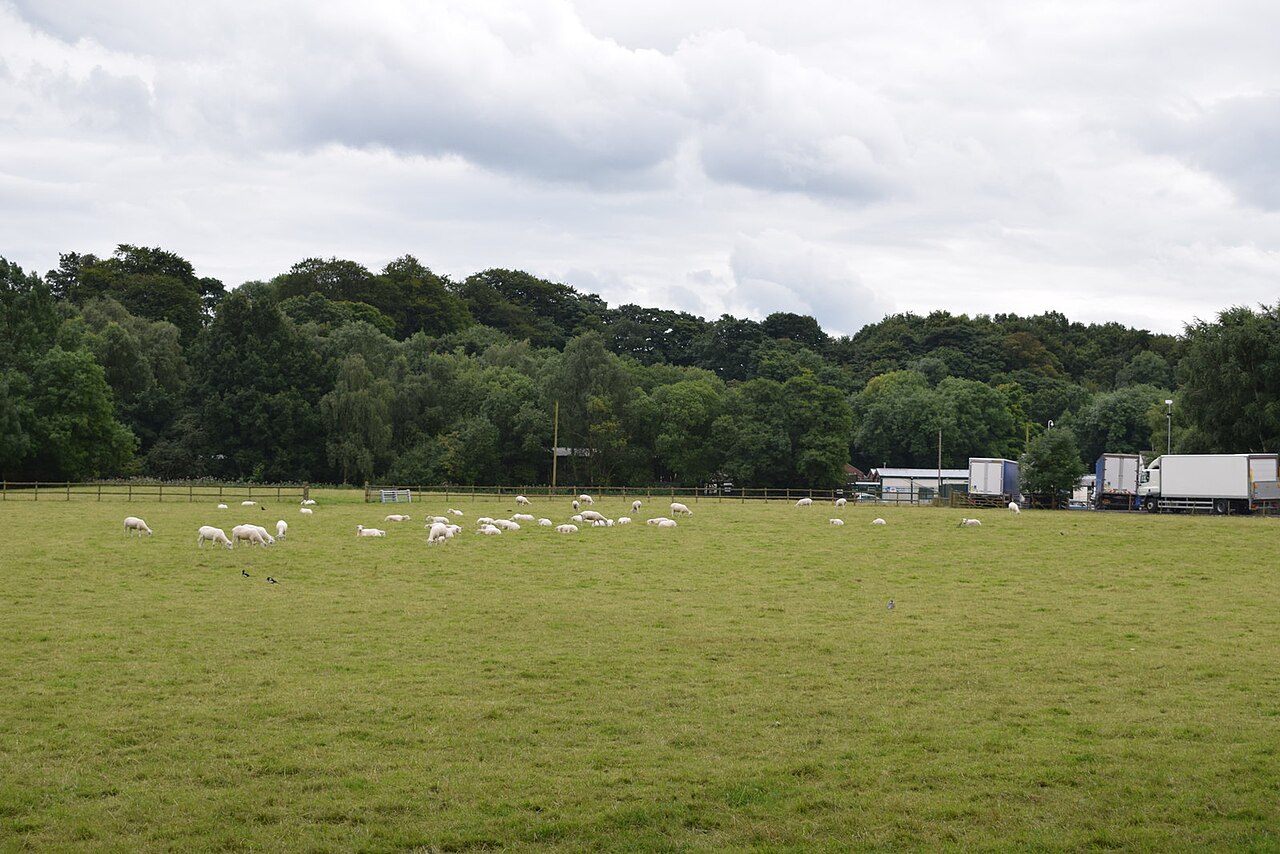
Lower sheepmeat production and strong export demand have tightened supplies across the European Union in 2026, according to the UK's Agriculture and Horticulture Development Board (AHDB), Agriland reports. Production from January to June contracted modestly: France and Italy grew by 3 and 7 percent, but that was not enough to offset declines in Spain, Greece and Ireland.
Spain, the largest producer of the countries examined, fell 5 percent to 50,130 tonnes, which had the biggest influence on the trend, said AHDB trainee analyst Hannah McLoughlin. Overall, EU production fell by about 3,000 tonnes, or 2 percent, which she put down to "persistent challenges within the EU sheep sector".
The EU reference price rose from about 820p/kg in January to almost 900p/kg in late spring before easing towards 780p/kg in summer. Great Britain's prices were the most volatile, peaking near 950p/kg in June before falling to about 710p/kg by September, while Spain kept a premium all year.
EU exports of fresh and frozen sheepmeat rose 17 percent to 19,400 tonnes from January to July. Algeria, the main destination, took 12 percent more from June to July, which McLoughlin linked to population growth, Eid demand and weaker domestic production, and exports to the UK rose 43 percent. EU imports fell 3 percent to 96,500 tonnes, with New Zealand still the top supplier at 45,800 tonnes.
Photo: BJ Smur / Wikimedia Commons (CC BY-SA 2.0)
Source: Agriland

Comments
(0)