
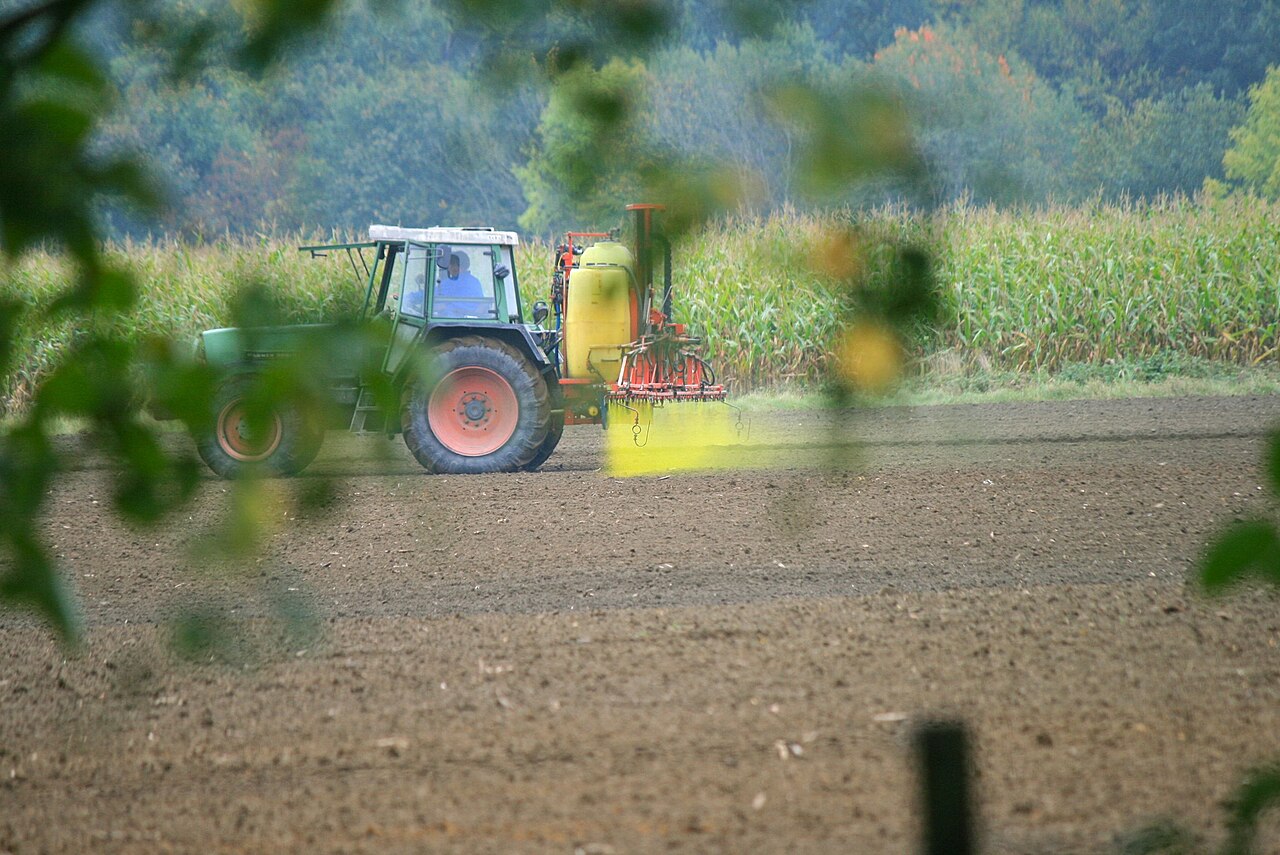
A report published on 7 October by the Brussels watchdog Corporate Europe Observatory (CEO) alleges that lobbying demands from pesticide manufacturers and farm groups were written, in some cases almost word for word, into the European Commission's pesticide simplification proposal and into amendments from the European Parliament's two lead lawmakers on the file.
The proposal, the "Food and Feed Safety Omnibus", is part of a wider simplification package known as Omnibus X and would rewrite how pesticide active substances are approved and renewed under EU Regulation 1107/2009. CEO names Bayer, BASF, the industry body CropLife Europe and the farm lobby Copa-Cogeca as the sources of wording it says reappears in the Commission's text and in amendments from co-rapporteurs Herbert Dorfmann (European People's Party) and Michele Picaro (European Conservatives and Reformists).
The report points to four changes: open-ended approval for most active substances instead of periodic renewal; grace periods of up to three years by default that keep banned or withdrawn products on the market; EU-wide exemptions of up to ten years; and challenges to the "cut-off criteria" that automatically bar substances shown to cause cancer or disrupt hormones. CEO also criticises Health Commissioner Olivér Várhelyi for not ordering a full impact assessment, and says CropLife Europe and Copa-Cogeca lobbied against easier rules for biocontrol products.
As of the latest follow-up coverage, by the Belgian paper La Libre on 8 October, neither the Commission nor the companies, groups or lawmakers named had responded directly to the allegations. The Commission has said the package answers repeated requests from stakeholders for faster, clearer procedures for plant protection products.
EU governments, in the Council, adopted their own position on 29-30 September, cutting the Commission's unlimited-approval plan back to a cap of 15 years for most first approvals and up to 25 years for renewals, with unlimited duration only for low-risk substances. Parliament is expected to vote this autumn, after which the three institutions will negotiate the final law.
The outcome will decide how long the chemicals European farmers rely on stay on the market, and how quickly withdrawn products must leave the shelves.
Photo: Stefan Thiesen / Wikimedia Commons (CC BY-SA 3.0)
Source: Global Agriculture


Comments
(0)