
Proposed changes to the European Union's data protection rules for crop protection products could leave 86 active substances harder to keep on the market, according to a study by Acumen Regulatory Consultants commissioned by the industry body CropLife Europe.
The analysis looked at 180 active substances that face renewal from 2030 onwards. Many of the 86 it flags serve specialist markets and minor crops, including fruit and vegetables, where renewal costs are high but commercial returns are often limited. For growers in those markets, losing even a few products could narrow the options they have for controlling pests and diseases.
Renewing one active substance can require €5-20 million in scientific studies, plus €1-2 million for the associated product renewals, the study says, and these costs are often carried by just one or two companies even when others benefit from the renewal.
The change at issue is in the European Commission's Food and Feed Safety Omnibus, which would introduce a single EU-wide clock for the protection of test and study reports instead of separate starting points in each member state. The study argues that, although simpler on paper, this could shorten the effective protection period in some markets and reduce, or in some cases remove, the chance for the companies that pay for renewal studies to recover their investment.
"You cannot renew a substance without the science and someone has to pay for that science," said Olivier de Matos, Director General of CropLife Europe. "If the rules make that investment harder to recover, who will fund the next renewal? And what does that ultimately mean for the farmers who depend on these solutions?"
CropLife Europe says it supports the Commission's aim of simplifying the rules and cutting administrative burdens, but wants the final text to protect the incentives that finance renewal studies. The findings come from an industry-commissioned study and reflect the sector's position as the Omnibus proposal moves through the EU legislative process.
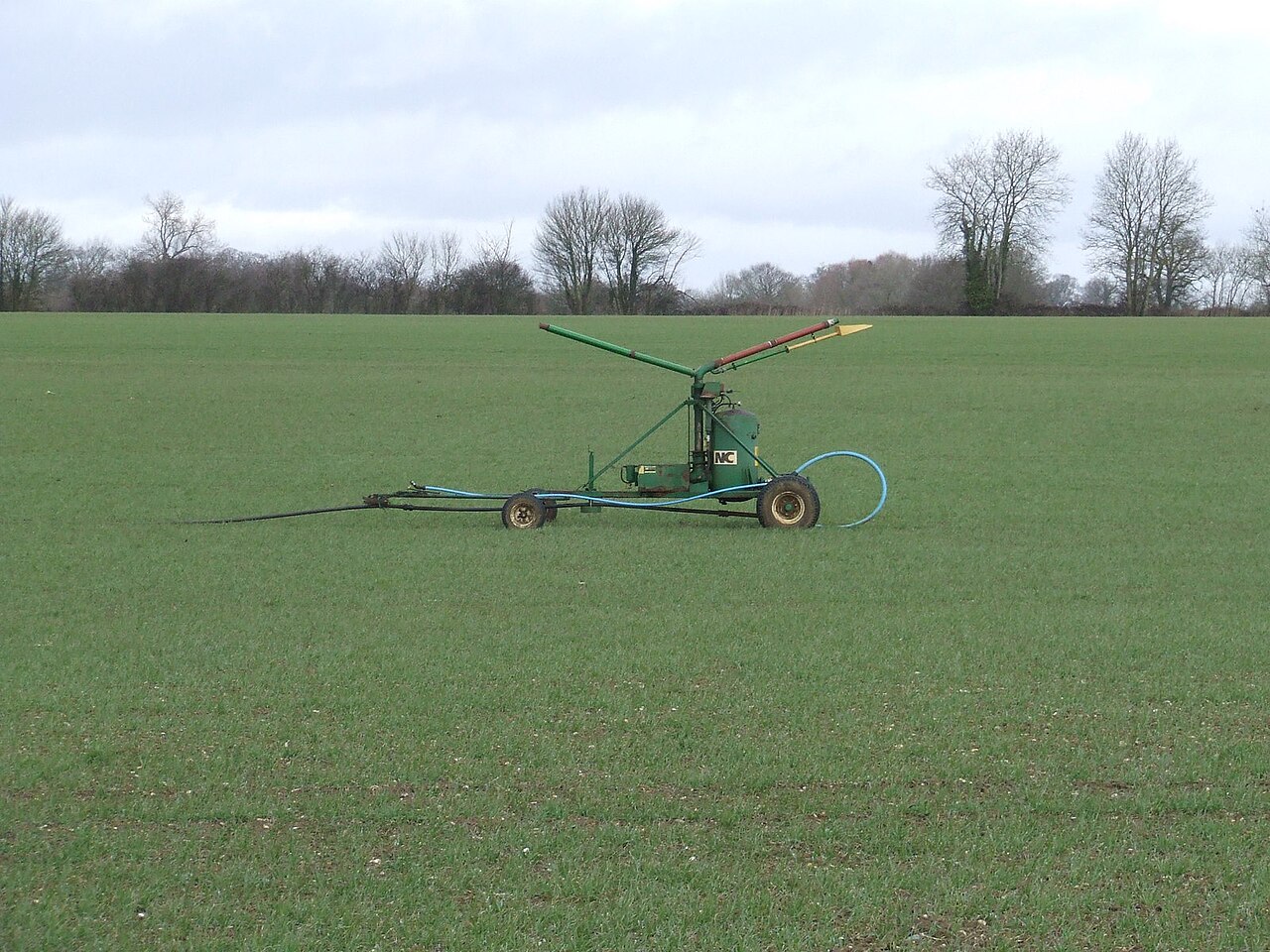
Photo: Keith Evans / Wikimedia Commons (CC BY-SA 2.0)
Source: Global Agriculture

Comments
(0)