
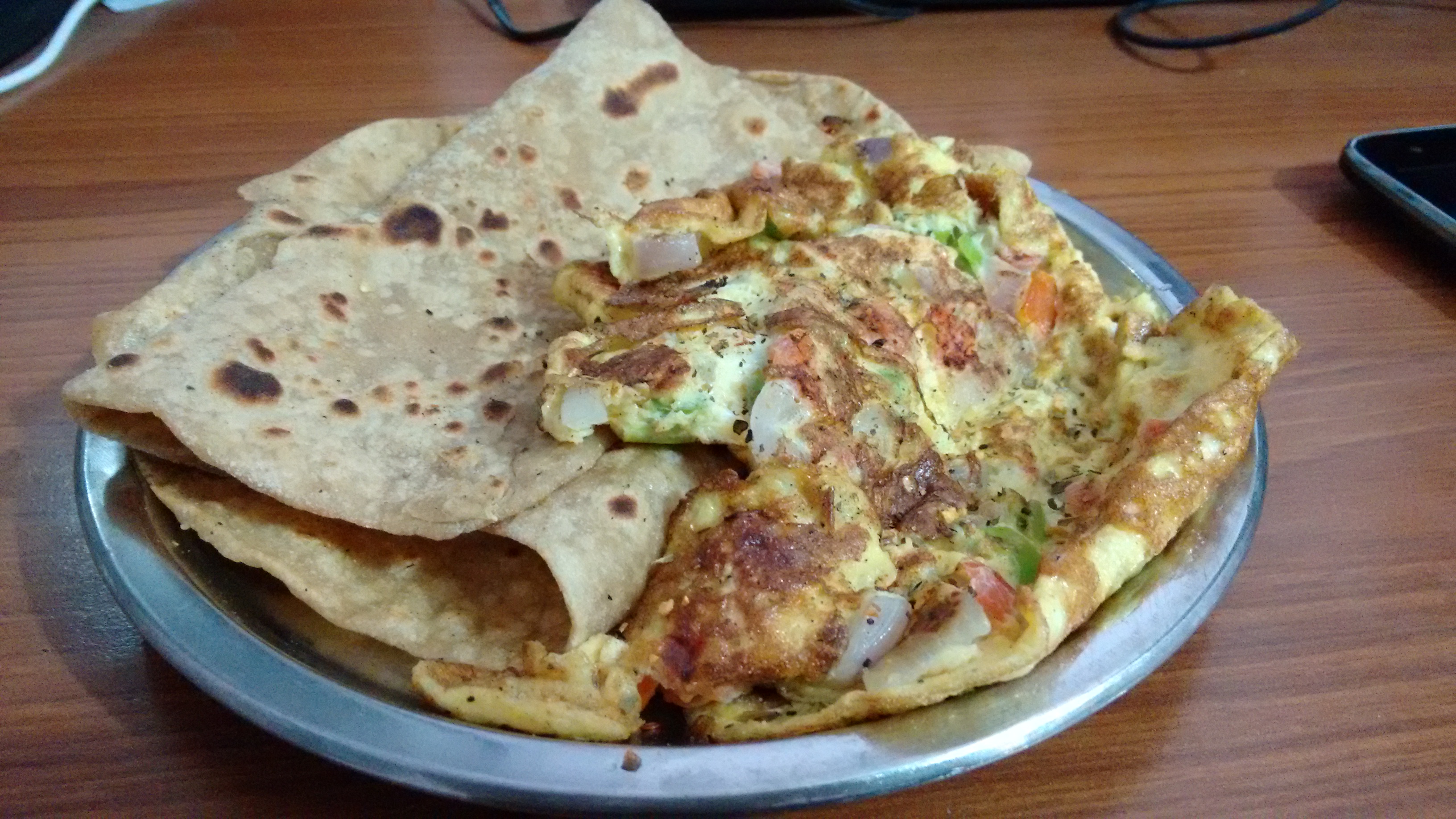
On 28 March 2026 the lifestyle section of Jagonews24 published a short recipe for an omelette of eggs and chopped vegetables, offered as a breakfast for the morning or a snack for the afternoon. The report began from a common problem: in the morning rush many people do not manage a proper, nutritious breakfast, and in the afternoon, when hunger strikes and they are unsure what to eat, many turn to fried food. What is needed, it said, is something that is quick to make and full of nutrition. Eggs are easy to cook and supply the protein the body needs, and adding a few vegetables improves both the taste and the nutritional value. The recipe below is the one the report gave, with its quantities unchanged; the sections after it set out what the main ingredients contain, according to Bangladesh's own food composition table, the United States Department of Agriculture (USDA) and the World Health Organization (WHO), and how to handle eggs safely.
The ingredients
The recipe uses two eggs for one omelette. Every vegetable is chopped finely (kuchi, as the Bengali recipe puts it) so that it mixes evenly into the beaten egg and cooks in the short time the eggs take to set. The quantities as published are:
- Eggs: 2
- Chopped onion: 2 tablespoons
- Chopped tomato: 2 tablespoons
- Chopped carrot: 2 tablespoons
- Chopped green chillies: 1 to 2
- Chopped coriander leaves: 1 tablespoon
- Salt: to taste
- Ground black pepper: a little
- Oil or butter: 1 tablespoon
All of these are everyday items in a Bangladeshi kitchen. Onion, tomato, carrot, green chilli and coriander are grown across the country, and Banglapedia describes carrot and coriander as winter crops and tomato as planted in November and December. The recipe leaves two choices to the cook: how many green chillies to use, one or two, and whether to fry the omelette in oil or in butter.
How to make it
The method in the original report has six simple steps:
- Break the eggs into a bowl and beat them well.
- Add the chopped onion, tomato, carrot, green chilli and coriander and mix them in.
- Add salt to taste and a little ground black pepper.
- Heat the oil or butter in a pan and pour in the egg mixture.
- Cook over medium heat. When one side is cooked, turn the omelette over and cook the other side.
- When both sides are cooked through, take it off the heat.
The report suggested eating the omelette with toast or bread. Turning the omelette so that both sides are cooked through is also what food-safety guidance asks of eggs, as the last section of this report explains.
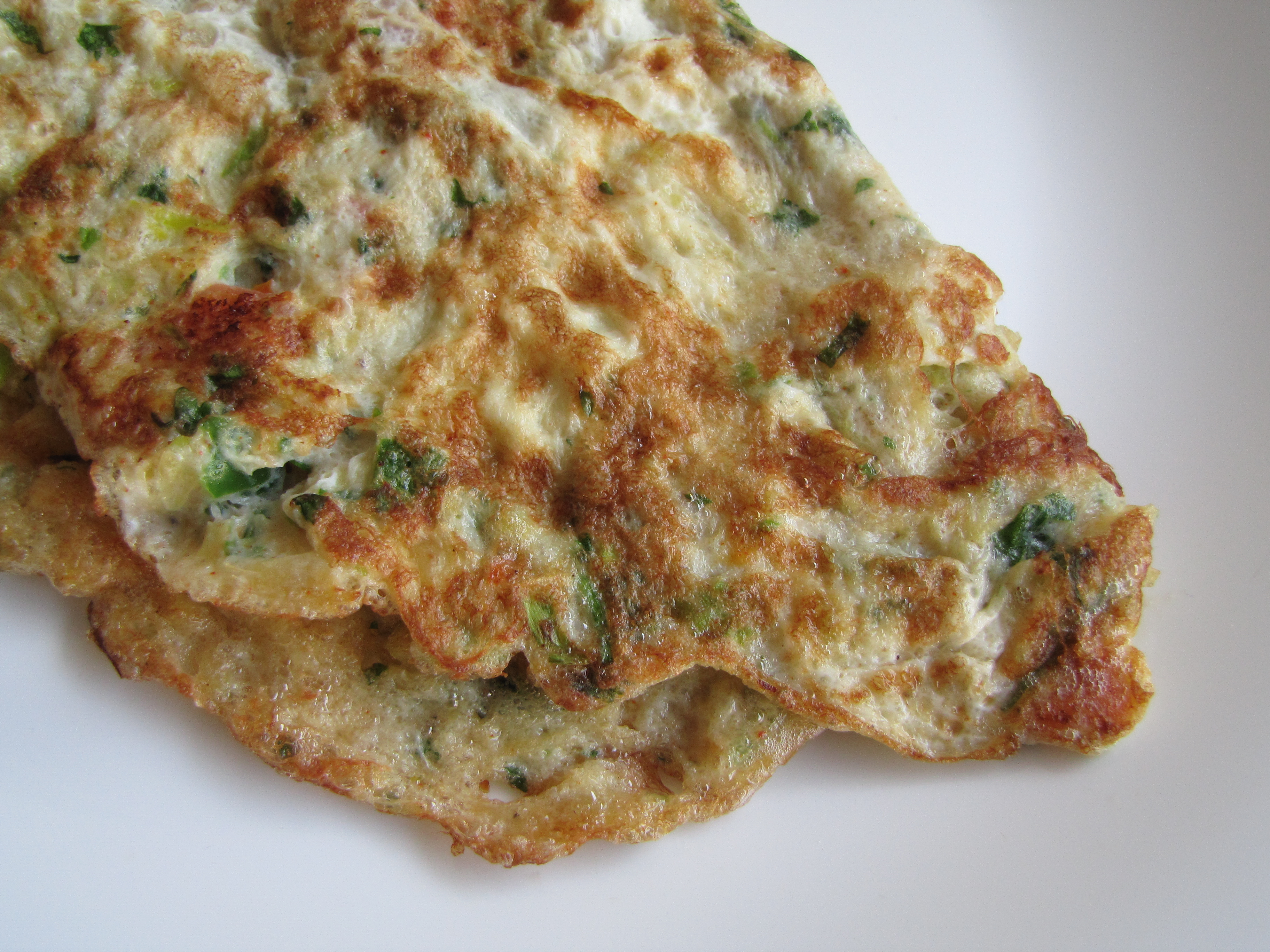
What an egg contains: Bangladesh's food composition table
The reference for the nutrient content of foods eaten in Bangladesh is the Food Composition Table for Bangladesh, first published in June 2013 by the Institute of Nutrition and Food Science (INFS) at the University of Dhaka, with the support of the National Food Policy Capacity Strengthening Programme under the Ministry of Food. Its figures are given per 100 grams of the edible part of a food.
For a raw egg of a farmed chicken (murgir dim, farm er), the table gives 139 kilocalories, 14.5 grams of protein and 9.0 grams of fat per 100 grams, with only a trace of carbohydrate. The same 100 grams carry 1.5 milligrams of iron, 220 milligrams of phosphorus, 165 micrograms of vitamin A, 1.9 micrograms of vitamin D, 0.40 milligrams of riboflavin (vitamin B2) and 50 micrograms of folate, and no vitamin C. The table counts 87 percent of the egg as edible; the rest is shell.
The table lists the native or deshi chicken egg separately. Per 100 grams, a raw deshi egg has 158 kilocalories, 13.3 grams of protein and 11.6 grams of fat, with 60 milligrams of calcium, 1.7 milligrams of iron, 213 micrograms of vitamin A and 2.4 micrograms of vitamin D. A raw duck egg, also common in Bangladesh, has 188 kilocalories, 13.5 grams of protein and 14.3 grams of fat per 100 grams. Any of the three can be used in an omelette; the figures show that they differ more in fat and energy than in protein.
The INFS table also explains why eggs are valued. Chicken eggs, it says, are the most commonly eaten eggs; they supply all the essential amino acids that humans need, which makes them a source of complete protein, and they provide several vitamins and minerals, including retinol, riboflavin, folate, vitamin B6, vitamin B12, choline, iron, calcium, phosphorus and potassium.
The yolk, the table notes, makes up about 33 percent of the liquid weight of the egg. It contains all of the fat, slightly less than half of the protein and most of the other nutrients, and all of the egg's vitamins A, D and E are in the yolk. The yolk also contains choline, with one yolk giving approximately half of the recommended daily intake; the table describes choline as an important nutrient for development of the brain. The white contains protein but little or no fat. Among the common ways of preparing eggs the table lists scrambled, fried, hard-boiled, soft-boiled and pickled.
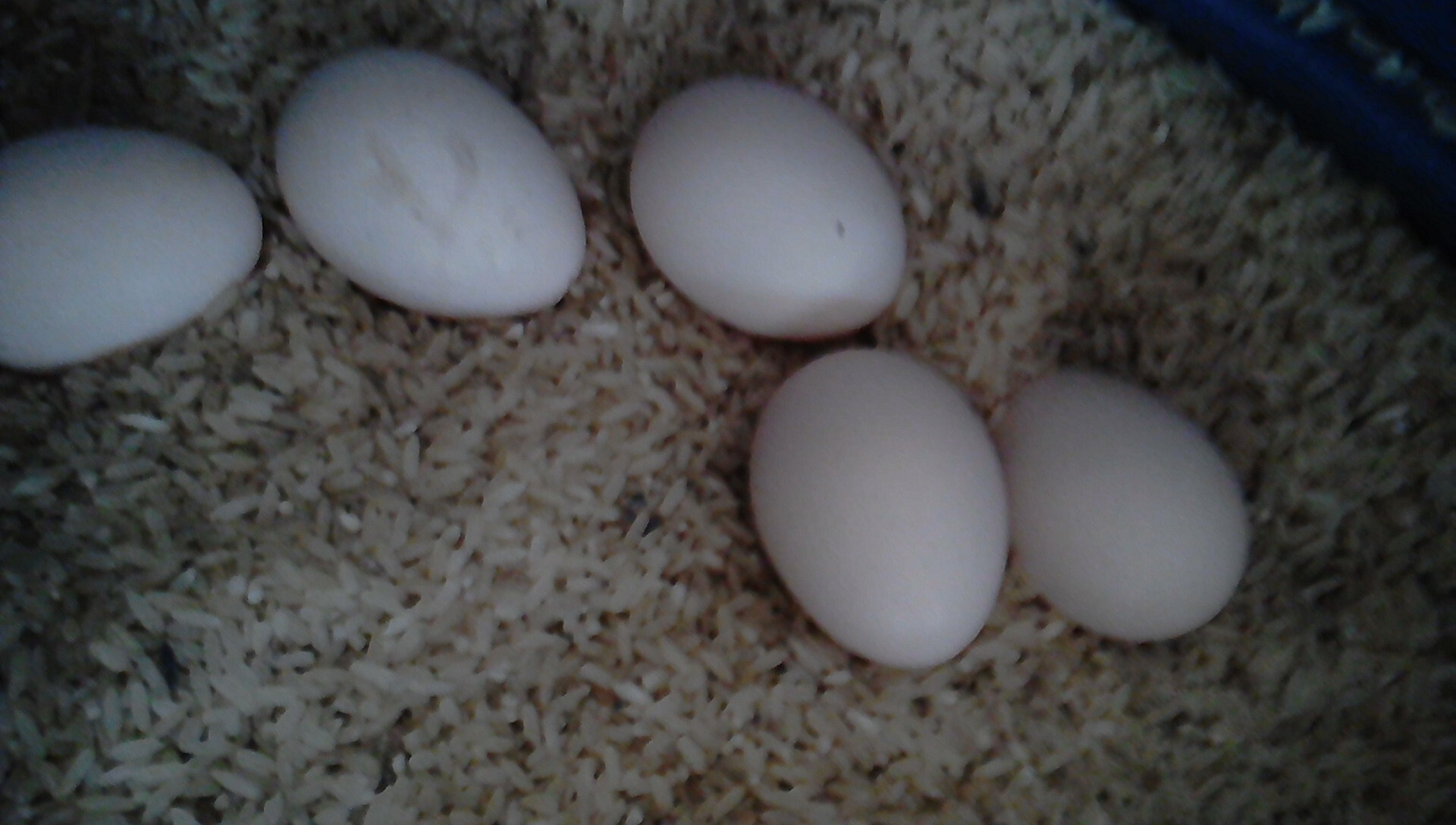
The USDA figures for a whole egg and a plain omelette
FoodData Central, the food composition database of the USDA's Agricultural Research Service, gives a wider set of nutrients. Its standard reference entry "Egg, whole, raw, fresh" lists, per 100 grams, 143 kilocalories, 12.6 grams of protein, 9.51 grams of fat and 0.72 grams of carbohydrate. The same entry gives 294 milligrams of choline, 0.89 micrograms of vitamin B12, 0.457 milligrams of riboflavin, 30.7 micrograms of selenium, 2.0 micrograms (82 international units) of vitamin D, 160 micrograms of vitamin A, 503 micrograms of lutein and zeaxanthin, 1.75 milligrams of iron, 142 milligrams of sodium and 372 milligrams of cholesterol. It contains no dietary fibre and no vitamin C, which is one reason a recipe that adds vegetables to eggs makes nutritional sense.
The USDA lists the weight of an egg by size: about 38 grams for a small egg, 44 grams for a medium, 50 grams for a large, 56 grams for an extra large and 63 grams for a jumbo egg, without the shell.
FoodData Central also has an entry for a plain cooked omelette, "Egg, whole, cooked, omelet". Per 100 grams it gives 154 kilocalories, 10.6 grams of protein, 11.7 grams of fat, 248 milligrams of choline and 313 milligrams of cholesterol, and it gives the weight of an omelette made from one large egg as 61 grams. The INFS and USDA tables analysed different eggs in different laboratories, so their figures for the same food are not identical; both place the protein of a whole egg at between about 12 and 15 grams per 100 grams.
How much protein a person needs: WHO guidance
WHO's fact sheet on a healthy diet, in the version dated 26 January 2026, says that proteins provide the building blocks for many of the body's structures, such as muscle, and for functional molecules such as hormones and enzymes. Protein at 10 to 15 percent of total daily energy intake is generally sufficient for adults, which the fact sheet puts at approximately 50 to 75 grams a day for a person of healthy body weight eating about 2,000 kilocalories. Needs may be higher during adolescence and for athletes and others building or maintaining a lot of muscle, while excessive amounts can place a metabolic burden on the body, particularly the kidneys.
The fact sheet says protein can come from a mix of animal and plant sources and that its digestibility and quality matter, particularly in childhood and adolescence. In some settings a shift towards more plant protein may lower adults' risk of diet-related disease; in others, animal-source foods remain important for nutrient intake, particularly for children and for pregnant and breastfeeding women. For infants and young children aged 6 to 23 months, WHO advises a diverse diet that includes animal-source foods such as meat, fish or eggs, as well as fruits and vegetables, and says salt and sugar should not be added to the foods given to them alongside breast milk.
WHO describes a healthy diet through four principles: adequacy, meaning enough of every nutrient without excess; balance between energy taken in and used, and among protein, fat and carbohydrate; moderation in foods that may harm health; and diversity, a wide variety of foods within and across food groups. A diet must also be safe to be healthy, free from microbial and chemical contaminants. An omelette is one dish within that wider pattern, not a whole diet. Anyone with a medical condition, or following a diet set by a doctor, should ask their doctor how eggs fit into it.
The vegetables in the pan
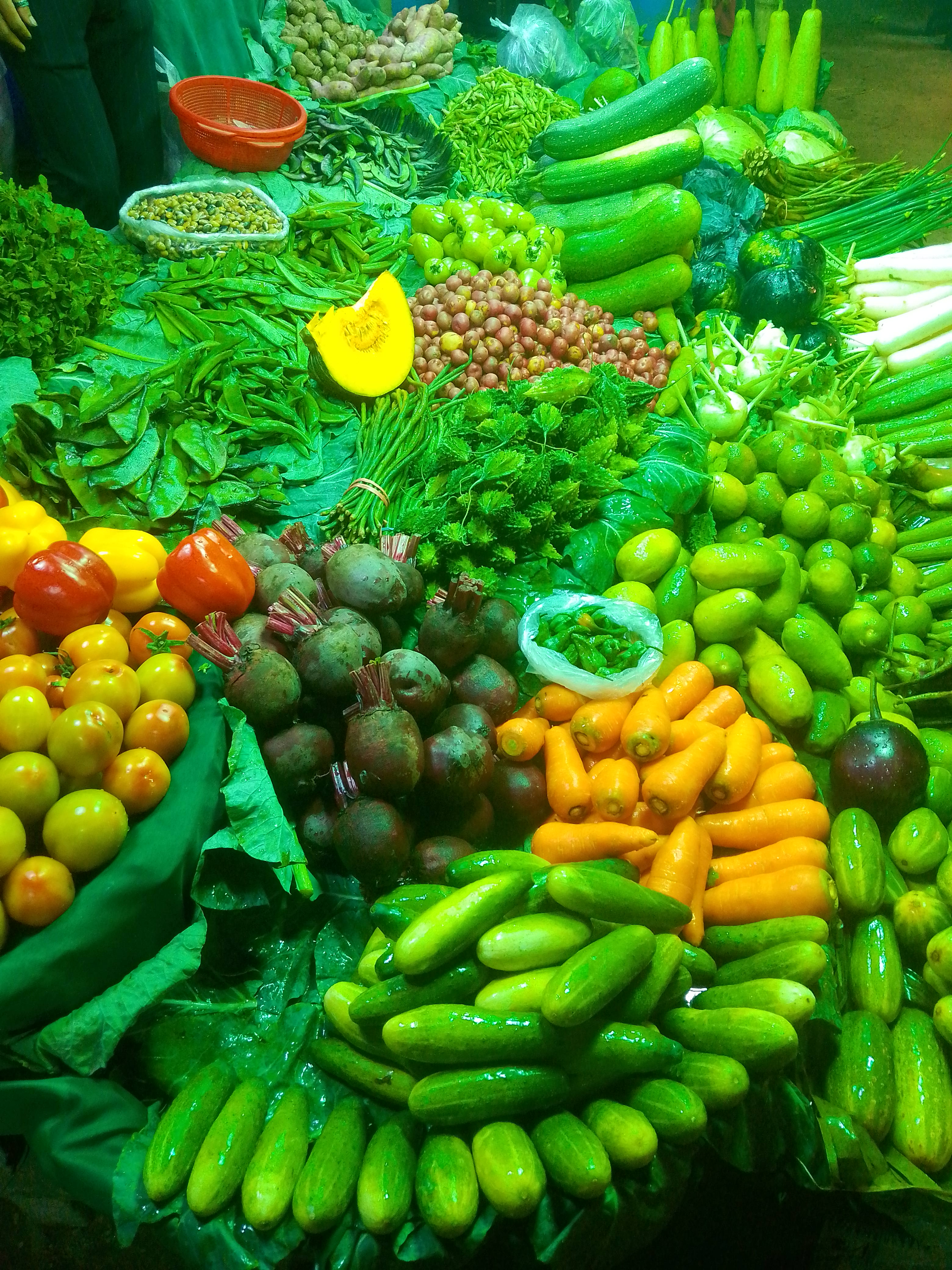
The five fresh ingredients that go into the omelette are all field crops of Bangladesh. Banglapedia, the national encyclopedia, describes how each is grown, and the INFS table gives what each contains.
Onion
Onion (Allium cepa) is a bulb crop whose edible bulb is made of food-storage leaves; the green leaves above ground are eaten too. Banglapedia says it possibly originated in western Asia and that its pungency, which varies with the variety, comes from a volatile oil, allyl-propyl disulphide. In Bangladesh the best time to transplant onion is December or the first week of January. It is grown in every district, Faridpur being the largest producer, and Tahirpur and Faridpuri are two important local varieties, alongside BARI Piaj-1 from the Bangladesh Agricultural Research Institute (BARI). The INFS table gives raw onion 59 kilocalories, 12.2 grams of carbohydrate, 1.9 grams of dietary fibre and 4.5 milligrams of vitamin C per 100 grams.
Tomato
The tomato is native to tropical America. In Bangladesh, Banglapedia says, seedlings 25 to 30 days old are usually planted in November and December and the crop is ready for harvest in 80 to 90 days. BARI has released a series of varieties, among them Ratan, Manik, Chaiti, Apurba, Shila, Lalima and Anupama, and some of them, such as BARI Tomato-4, BARI Tomato-5, Chaiti, Lalima and the hybrid Anupama, can also be grown in the warm season. A ripe red tomato is 95 percent water by the INFS table, with 16 kilocalories, 12.3 milligrams of vitamin C and 156 milligrams of potassium per 100 grams. The USDA entry for ripe red tomatoes gives 2,570 micrograms of lycopene, the red pigment, per 100 grams.
Carrot
Carrot (Daucus carota), gajar in Bengali, is a winter vegetable in Bangladesh. Banglapedia says its seeds are sown directly in the field from October to December and the roots are ready within three months; the Asiatic type produces both roots and seed in the country, while the European type produces roots but no seed in the tropics. Of the vegetables in this recipe the carrot is the richest in carotene: the INFS table gives raw carrot 6,280 micrograms of beta-carotene equivalents and 329 micrograms of vitamin A per 100 grams, with 2.6 grams of dietary fibre and 34 kilocalories.
Green chilli and coriander
The chilli, Capsicum frutescens, is native to Mexico. Banglapedia says it is grown in Bangladesh in both summer and winter, the winter crop mostly in Comilla, Noakhali, Faridpur, Barisal, Patuakhali and Bogra, with local varieties such as Balijuri, Bona, Saita, Suryamukhi, Dhani and Shikarpuri. Green chilli is small in quantity in this recipe but dense in vitamin C: the INFS table gives raw green chilli with seeds 102.3 milligrams of vitamin C per 100 grams, with 2.8 grams of protein, 4.7 grams of dietary fibre and 282 milligrams of potassium.
Coriander (Coriandrum sativum), dhone pata for the leaves, is a native of the Mediterranean region and is grown extensively in Bangladesh as a winter crop, sown in October and November and maturing in 90 to 105 days; its young plants are used in chutneys, sauces, curries and soups. The INFS table gives raw coriander leaves 105.7 milligrams of vitamin C, 1,590 micrograms of beta-carotene equivalents, 160 milligrams of calcium, 396 milligrams of potassium and 5.9 grams of dietary fibre per 100 grams.
WHO's healthy-diet fact sheet asks everyone older than 10 to aim for at least 400 grams of fruit and vegetables a day, and at least 25 grams of naturally occurring dietary fibre. It adds that intake of potassium, which can lessen the effect of sodium on blood pressure, can be raised by eating fresh fruit and vegetables. A few spoonfuls of chopped vegetables in an omelette add to that day's total; they do not replace the other vegetables on the plate.
Oil, butter and salt
The recipe allows one tablespoon of either oil or butter. WHO's fact sheet says fat is an essential nutrient but that its quality matters: unsaturated fat, found in fish, avocado and nuts and in sunflower, soybean, canola and olive oils, is preferable to saturated fat, found in fatty meat, butter, palm and coconut oil, cream, cheese, ghee and lard. For adults it recommends keeping total fat to 30 percent or less of daily energy, saturated fat to no more than 10 percent and trans fat to no more than 1 percent. Among the ways to cut saturated and trans fat it lists steaming or boiling instead of frying, and replacing butter, lard and ghee with oils rich in polyunsaturated fat such as soybean, canola, corn, safflower and sunflower oils. The USDA lists unsalted butter at 81.1 grams of fat and 717 kilocalories per 100 grams.
The original report offered the omelette as an alternative to fried food, and WHO's guidance gives a reason that matters. It names baked and fried foods and pre-packaged snacks, such as doughnuts, cakes, pies, cookies, biscuits and wafers, as sources of industrially produced trans fat, says such trans fats are not part of a healthy diet and should be avoided, and recommends limiting the consumption of these foods.
Salt in the recipe is "to taste". WHO advises adults to keep salt below 5 grams a day, equal to 2 grams of sodium, and notes that people are often unaware of how much they eat. It suggests limiting salt and high-sodium condiments in cooking and not keeping salt on the table. Eggs themselves already contain some sodium: 142 milligrams per 100 grams in the USDA entry for a raw whole egg, and 116 milligrams in the INFS figure for a farmed egg.
Eggs in Bangladesh: production and supply
The eggs in the pan come from a sector whose output has grown steadily. The Department of Livestock Services (DLS) publication "Livestock Economy at a Glance (2024-2025)", prepared by its planning section from Bangladesh Bureau of Statistics (BBS) data, shows national egg production rising from 1,191.24 crore in fiscal year 2015-16 to 2,057.64 crore in 2020-21, 2,374.97 crore in 2023-24 and 2,440.65 crore in 2024-25.
Against these figures the DLS sets a demand of 1,850.16 crore eggs a year, calculated at 104 eggs per person per year, and gives availability in 2024-25 as 137.19 eggs per person per year. The same publication counts 3,360.70 lakh chickens and 705.82 lakh ducks in the country in 2024-25. It puts the contribution of the livestock sector at 1.81 percent of gross domestic product at constant prices and 16.54 percent of agricultural GDP, both provisional figures for 2024-25, and says livestock directly employs 20 percent of the population and partly employs 50 percent.
Banglapedia gives the background to this growth. The domestic chicken probably descends from the red jungle fowl of Southeast Asia and was domesticated over 4,000 years ago. Because local chickens produce less meat and fewer eggs, farms large and small have turned to improved breeds such as the White Leghorn, Rhode Island Red and Plymouth Rock; the White Leghorn is the most popular in Bangladesh, and its hens may lay nearly 230 eggs a year. The quail, a bird of about 150 grams that may lay over 200 eggs a year, has also been gaining popularity.
Handling eggs safely in the kitchen
Eggs are nutritious, but they need careful handling. WHO's fact sheet on non-typhoidal Salmonella, dated 20 February 2018, says Salmonella is one of the four key global causes of diarrhoeal disease and that people generally catch it by eating contaminated food of animal origin, mainly eggs, meat, poultry and milk. The illness usually begins with fever, abdominal pain, diarrhoea, nausea and sometimes vomiting, 6 to 72 hours (usually 12 to 36 hours) after the bacteria are eaten, and lasts 2 to 7 days. Most people recover without specific treatment, but in children and older people the dehydration it causes can become severe and life-threatening.
WHO recommends basic food hygiene, such as "cook thoroughly", as a preventive measure, and lists its Five Keys to Safer Food as the basis for teaching food handlers and consumers:
- Keep clean.
- Separate raw and cooked.
- Cook thoroughly.
- Keep food at safe temperatures.
- Use safe water and raw materials.
WHO's Five Keys to Safer Food manual, published in 2006, explains why eggs are on the list of foods to watch. It names eggs, with meat, seafood, cooked rice, cooked pasta, milk and cheese, among the foods that provide ideal conditions for microorganisms to grow, and says one bacterium can become two in 15 minutes and more than 16 million within 6 hours. It defines the danger zone as 5 to 60 degrees Celsius, the temperature range in which microorganisms grow and multiply very fast. Its core advice for the kitchen is to wash your hands before handling food and often during food preparation, to wash and sanitise all surfaces and equipment, and to keep domestic and other live animals, including poultry raised at home, away from the areas where food is prepared and stored.
For the omelette, that means washing hands after breaking the eggs, cleaning the bowl and board, and cooking both sides through as the recipe says. WHO's Salmonella fact sheet also advises washing hands thoroughly with soap after contact with farm animals, and washing fruit and vegetables carefully, particularly if they are eaten raw. If illness does follow a meal, the WHO manual says drinking plenty of fluids maintains hydration during diarrhoea, and that medical advice should be sought when bowel movements are very frequent, very watery or contain blood, or last beyond three days.
Photo: Sar8b / Wikimedia Commons (CC BY-SA 4.0)
Sources: Jagonews24 (28 March 2026), Institute of Nutrition and Food Science, University of Dhaka (Food Composition Table for Bangladesh, 2013), USDA FoodData Central, World Health Organization (Healthy diet fact sheet, 26 January 2026; Salmonella (non-typhoidal) fact sheet, 20 February 2018; Five Keys to Safer Food Manual, 2006), Department of Livestock Services (Livestock Economy at a Glance 2024-2025), Banglapedia.


Comments
(0)