

Farmers and truckers in the United States could get temporary relief on diesel tax until the end of 2026 under an executive order signed by President Donald Trump while fuel prices remain high, All Ag News reports.
The order tells the Internal Revenue Service to suspend penalties for using dyed diesel on highways during the relief period. Dyed diesel is normally reserved for off-road uses such as farm machinery, because it is exempt from the federal highway diesel tax of 24.4 cents a gallon.
It also directs the Treasury Department to decide within five days whether federal law allows payment of certain diesel excise taxes to be deferred for affected taxpayers from 5 October to 31 December. Deferred amounts would carry no penalties or interest.
The order does not automatically forgive the tax. Treasury must issue guidance saying who qualifies, which liabilities are covered and when postponed taxes fall due. The administration is also told to explore cancelling the deferred obligation altogether, including through legislation.
The Department of Agriculture will coordinate with farm cooperatives and rural fuel distributors, and federal officials are encouraging states to adopt matching policies. How much farmers actually save will depend on the Treasury guidance and on what the states do.
The story was reported by Tony St. James.
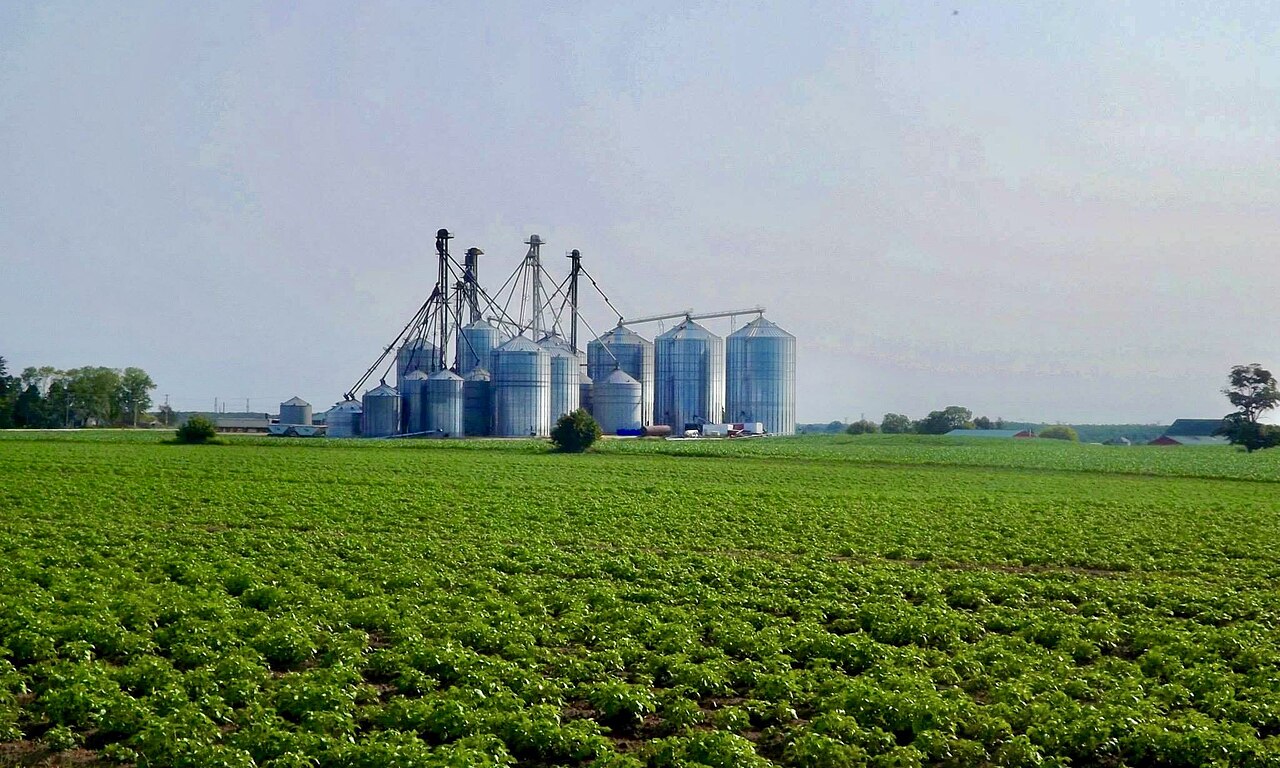
Photo: inkknife_2000 / Wikimedia Commons (CC BY-SA 2.0)
Source: All Ag News

Comments
(0)