
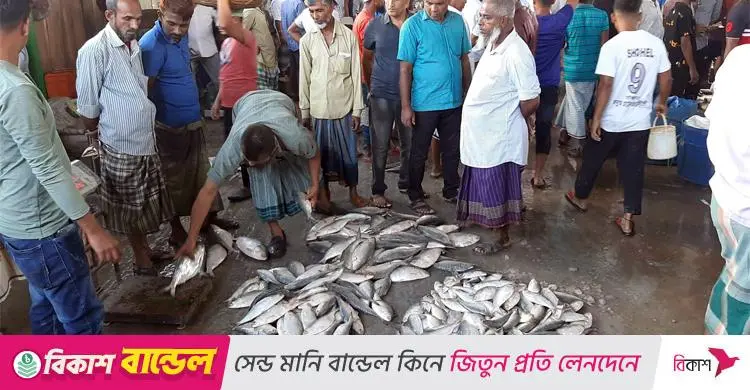
A 22-day ban on fishing in rivers to protect mother hilsa began at midnight on Friday. The Department of Fisheries aims to stop fishing through joint forces so the fish can breed undisturbed. This time, the administration will use drone technology to monitor 82 km of the Meghna river in Hizla and Mehendiganj upazilas of Barishal, known as the "mine" of hilsa.
How the drones will be used
According to sources, the river police and the Hizla fisheries officer will fly drones to keep watch over the vast river. At least four drones will be used, and wherever they detect hilsa fishing, teams will race there by speedboat. Thirty executive magistrates are being appointed in the district for the drive.
Hizla upazila senior fisheries officer Mohammad Alam said fishers will not be allowed on the river by day, and drives will continue at night, but controlling 82 km of the Meghna is difficult. The Coast Guard, river police and RAB will take part in joint operations, and the army will be on standby. Mehendiganj upazila fisheries officer Omar Sani said awareness meetings have been held and two speedboats will join the operations, with three magistrates. Imran Hossain Mollah, senior assistant superintendent of Barishal river police, confirmed drones will be used in Hizla and Mehendiganj.
Fishers' worries
The district's 79,000 fishers are worried, complaining that they do not receive enough rice on time and are under pressure from moneylenders. District fisheries officer Ripon Kanti Ghosh said task forces in 59 hilsa-rich unions have been coordinated and 66,524 fishing families will receive 25 kg of rice each. Fisher Sultan of Mehendiganj said 25 kg is hard to live on for almost a month and the government should provide work during the ban; Yunus Mia of Sadar upazila said fishers are ready to obey the law but need food.
Molla Emdadullah, director of the Hilsa Resource Development and Management Project, said that despite these efforts, success in protecting jatka and mother hilsa has been limited; about 40,000 tonnes less hilsa was produced last year, and production is expected to fall again.
Source: Jagonews24. First published in Bengali on The Agro News.
Comments
(0)