
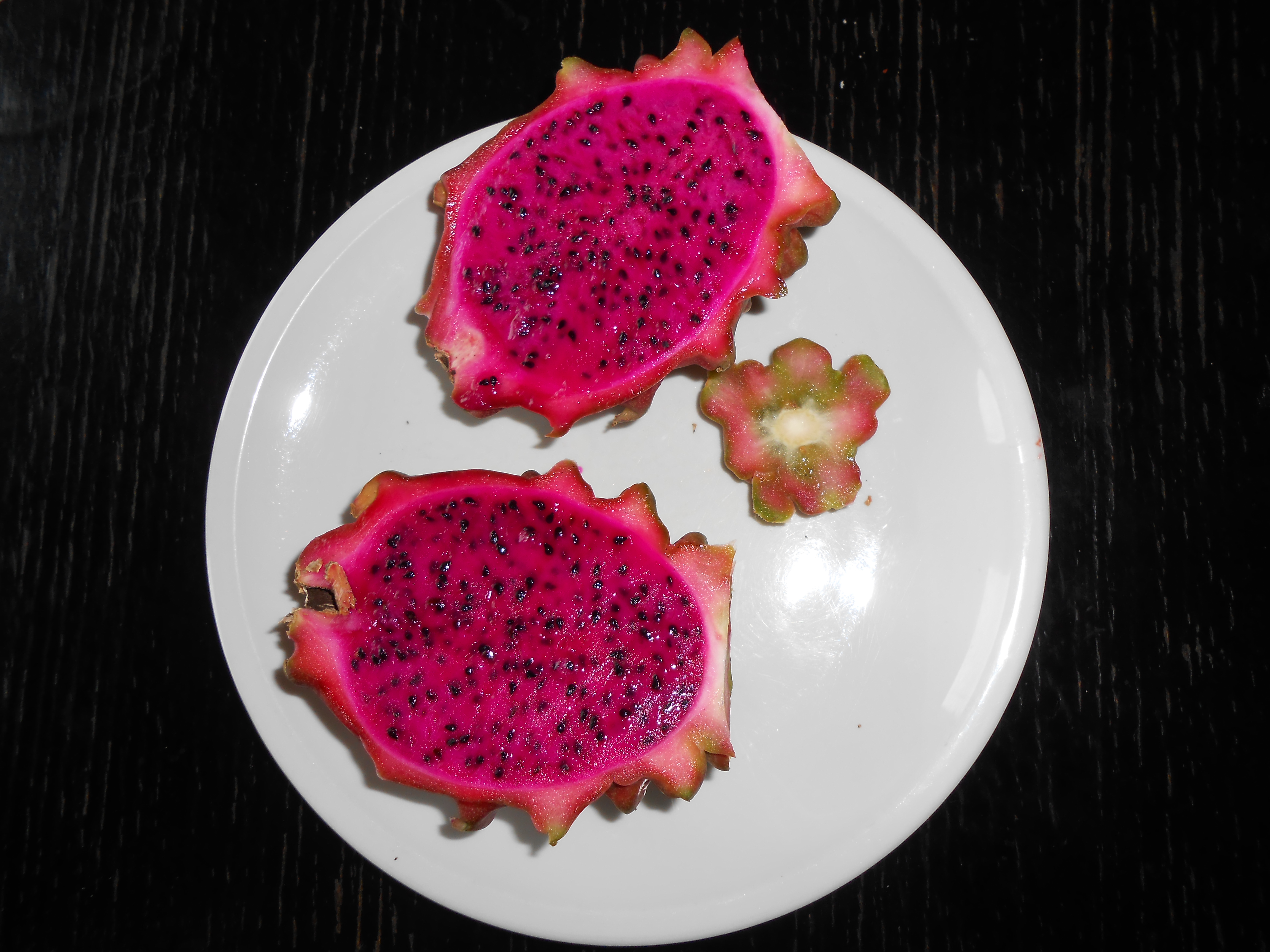
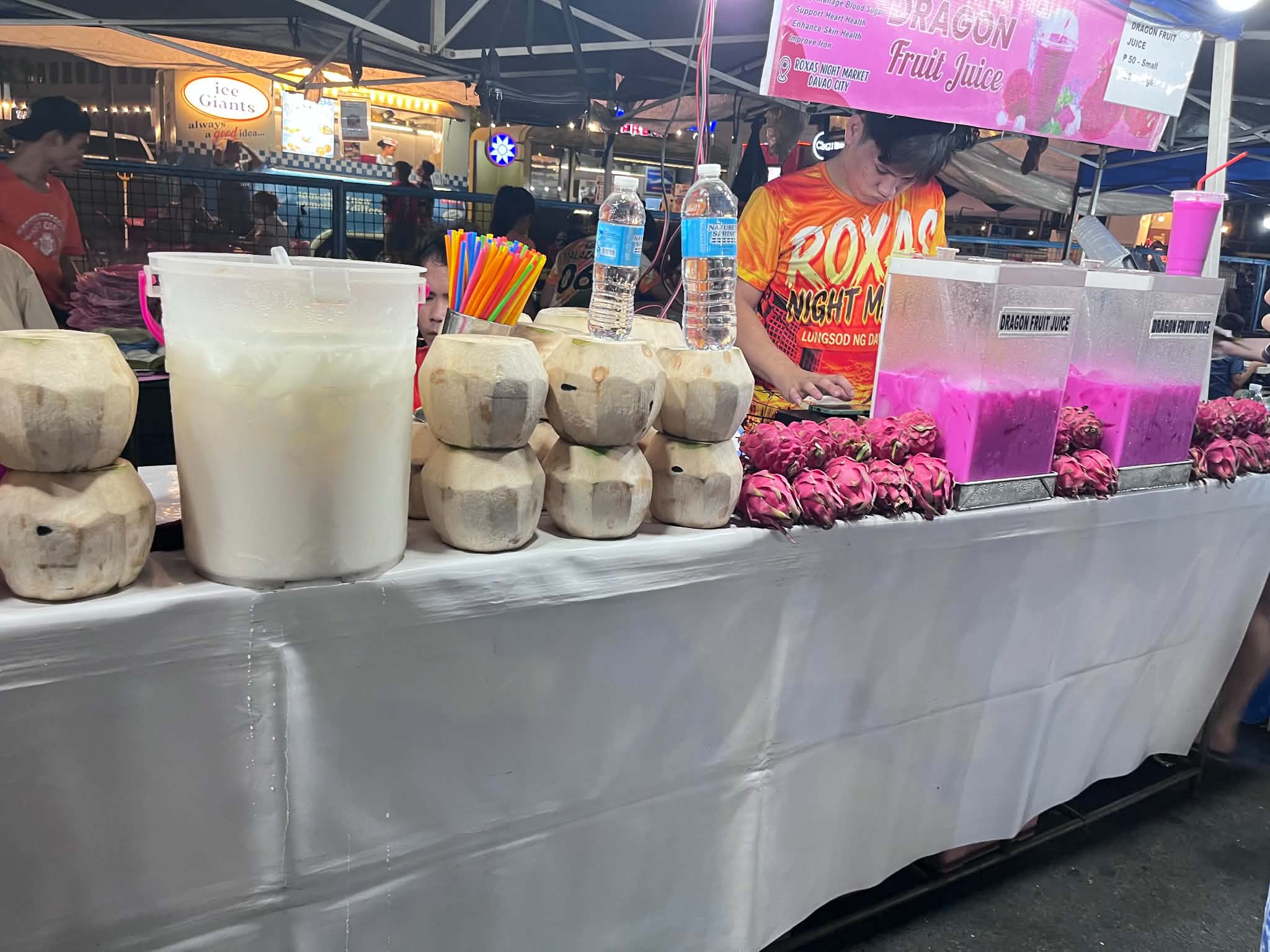
On 30 July 2026 the lifestyle desk of the Bangladeshi news site Jagonews24 published a simple recipe for a dragon fruit milkshake. It needs four main ingredients, ripe dragon fruit, cold milk, sugar or honey and crushed ice, with chopped nuts to garnish. The report said dragon fruit was no longer just a foreign fruit but an easily available and relatively cheap one, and suggested the colourful drink for a morning or afternoon snack and for hot days.
Ingredients
The Jagonews24 recipe used these quantities:
- 1 ripe dragon fruit
- 1 cup cold milk
- 1 to 2 teaspoons sugar or honey
- Crushed ice, as needed
- 1 tablespoon chopped cashews or almonds, to garnish
Method
- Peel the dragon fruit and cut the flesh into small pieces.
- Put the fruit, cold milk, sugar or honey and crushed ice into a blender.
- Blend for one to two minutes, until the mixture is smooth and creamy.
- Pour into glasses and top with chopped nuts and a few pieces of dragon fruit.
- Serve well chilled.
The report claimed that the combination of milk and dragon fruit gives a quick burst of energy and aids digestion, and that children enjoy the drink because of its colour.
What dragon fruit is
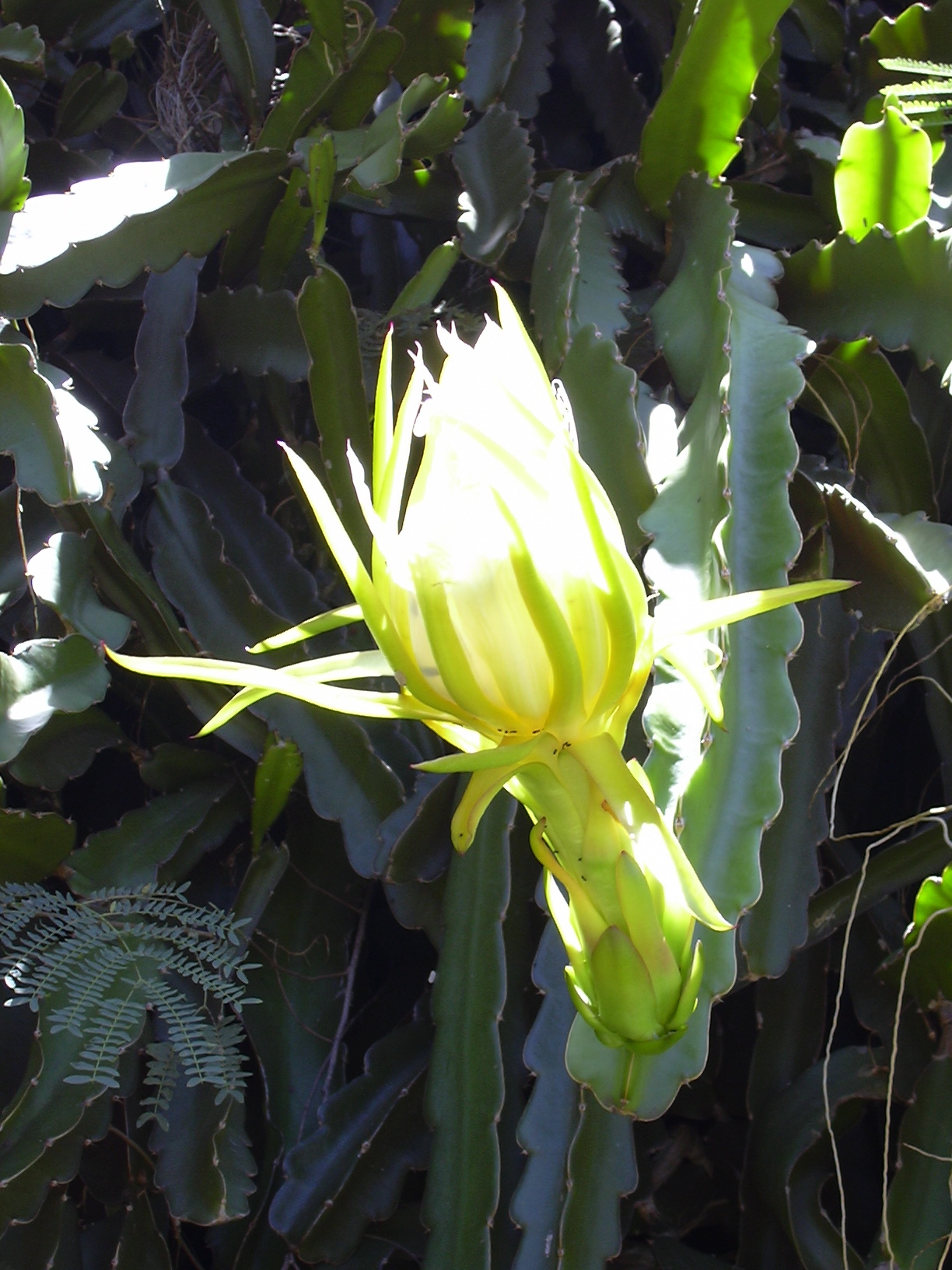
Dragon fruit, or pitaya, is the fruit of several cactus species. According to Wikipedia, the fruit is oval, about 10 centimetres long and 6 centimetres wide, with small black seeds scattered through the flesh. The plant's flowers bloom overnight and usually wilt by the following evening.
The fruit is native to southern Mexico and the Pacific coast of Guatemala, Costa Rica and El Salvador. Of the three main species, Selenicereus undatus has pink skin and white flesh, S. costaricensis red skin and red flesh, and S. megalanthus yellow skin and white flesh. A 100-gram serving of raw dragon fruit holds about 57 kilocalories, 84 grams of water, 15.2 grams of carbohydrate and 3.1 grams of fibre.
Dragon fruit farming in Bangladesh
A 2015 report in The Daily Star said the Horticulture Centre of the Department of Agricultural Extension (DAE) had promoted commercial dragon fruit growing among farmers in Dinajpur, Thakurgaon, Panchagarh and Nilphamari, with the first planting from 2013 to early 2014.
Farming spread quickly after that. Figures from the DAE's Horticulture Wing, cited in The Financial Express, show 38 hectares producing 277 tonnes in fiscal 2015-16, rising to 1,115 hectares and 13,872 tonnes in fiscal 2021-22. The Daily Star reported in December 2022 that about one-fifth of the country's dragon fruit came from the hill districts of Khagrachari, Rangamati and Bandarban, where it then sold for Tk 150 to Tk 180 a kilogram.
The fruit has also taken hold in the Barind tract. The Business Standard reported in March 2026 that around 190 hectares were under dragon fruit that season in Godagari upazila of Rajshahi. DAE officials quoted in the report said the crop needs relatively little investment, suffers less from pests, and suits the region's soil and climate.
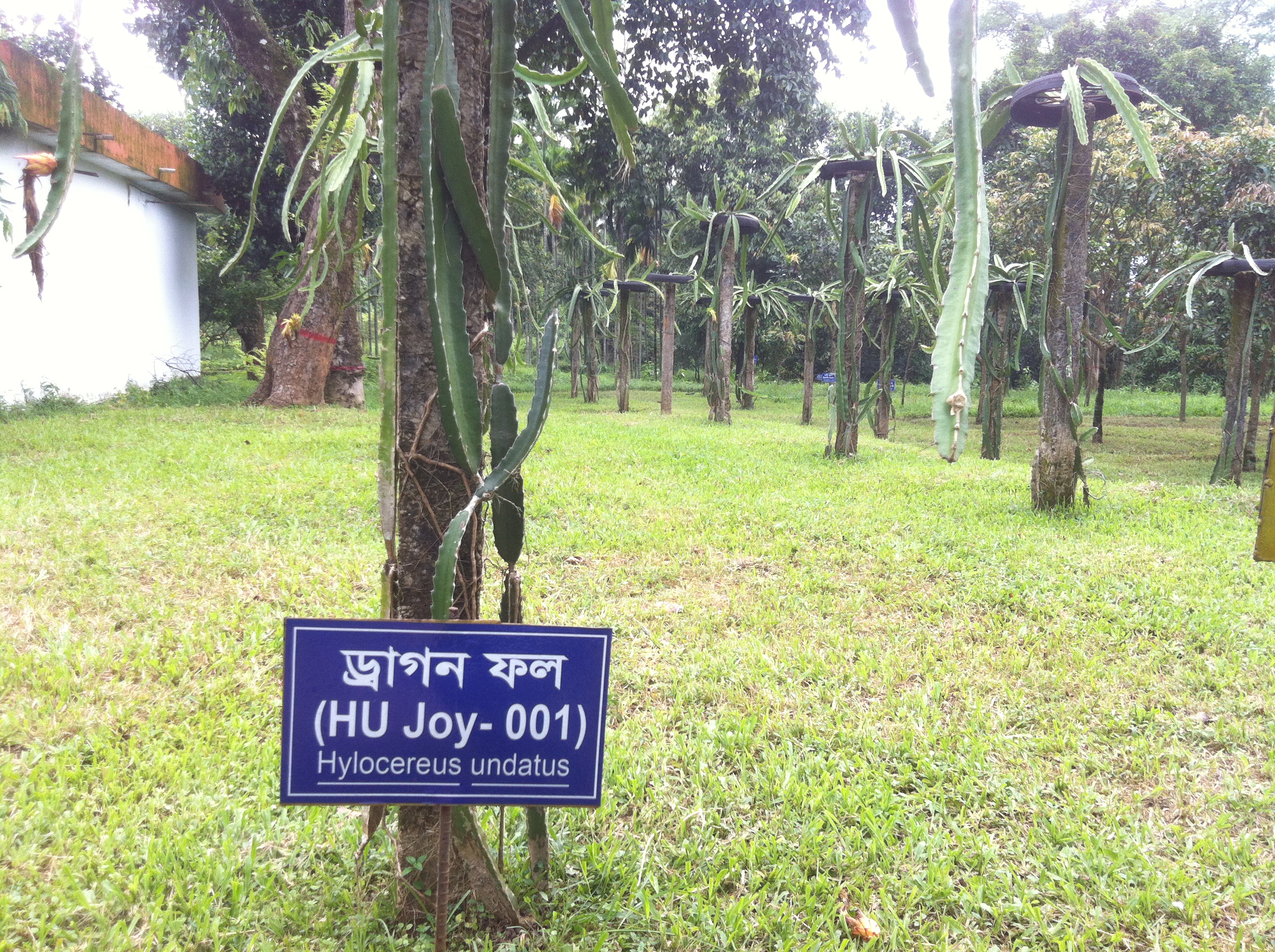
Photo: Berthgmn / Wikimedia Commons (CC BY-SA 4.0)
Sources: Jagonews24, The Daily Star, The Financial Express, The Business Standard, Wikipedia
Comments
(0)