
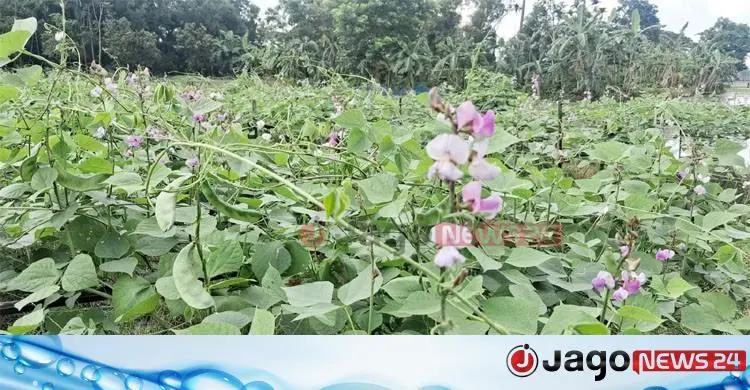
Bangladesh's agriculture is at a crossroads. Climate change, erratic rainfall, fluctuating temperatures, new diseases and pests and rising costs combine with farmers' lack of information, dependence on markets and the absence of scientific decisions on input use. The Fourth Industrial Revolution opens a new door: if Artificial Intelligence (AI), the Internet of Things (IoT), big data, cloud computing, satellite technology, drones and digital platforms can be put within farmers' reach, farming can become data-driven, risk-aware, precise and sustainable.
From "spray first" to "diagnose first"
Pesticides matter for controlling diseases and pests, but problems arise when they are applied without knowing the exact pest, the level of infestation or the economic damage threshold. Many farmers rely on neighbours or input sellers, leading to several products for one problem, overdosing or spraying at the wrong time. The World Health Organization (WHO) says pesticides are potentially toxic to people and that farmers and applicators face higher risk through direct contact. The answer, the writer argues, is not to abandon pesticides but to diagnose early, act only as needed and reduce reliance on chemicals.
Since 2020, the AI-based technology Dr. Chashi has worked with about 100,000 farmers. A farmer photographs the affected part of a crop and sends it for AI analysis, receiving the likely identity of the disease or pest and guidance on what to do. This can replace the old "medicine first, disease later" mindset with "diagnosis first, management later", cutting unnecessary purchases and saving money, time and labour. The writer stresses that AI advice should not be followed blindly; it should be checked with local agriculturists, plant pathologists and approved pesticide guidance. AI is a decision-support tool, not a replacement for people.
Weather data and IoT soil sensors
Dr. Chashi also provides location-based weather information, so farmers can plan irrigation, spraying, harvesting and sowing around forecasts of rain, temperature, humidity and storms. That shift from reactive to forecast-based farming is a foundation of climate-resilient agriculture.
Many farmers apply the same fertiliser year after year without knowing their soil. Genius Farms Limited is using IoT soil sensors built entirely on Bangladeshi data to test soil NPK and make crop-specific fertiliser recommendations, moving farmers from guesswork to data-based nutrient management, lowering fertiliser costs and protecting long-term soil health.
More than an app
- Problem diagnosis, advice, weather information, input purchasing and training in one digital platform.
- Solutions for rooftop gardens as well as field crops.
- Inputs ordered on demand and delivered to the farmer, creating a digital supply chain.
- Online training for young farmers on AI, IoT, safe pesticide use, soil management and climate-smart agriculture.
The writer says the platform has had support from BARC, BARI, DAE, BINA, BRRI, SRDI and PKSF, as well as local and international NGOs.
What is still needed
Accurate AI requires large local datasets on crops, diseases, pests, regions and seasons, regular field validation, agronomists' involvement, simple interfaces in the local language, digital literacy and data security. AI must not become a new channel for unnecessary pesticide use; integrated pest management, safe food, higher farm income and environmental protection must remain the guiding principles.
The goal, the writer concludes, is "information before need, detection before the problem, and a scientific decision before use": a smartphone in the farmer's hand, IoT in the field, AI in decisions and the farmer at the centre.
Source: Jagonews24. First published in Bengali on The Agro News.
Comments
(0)