
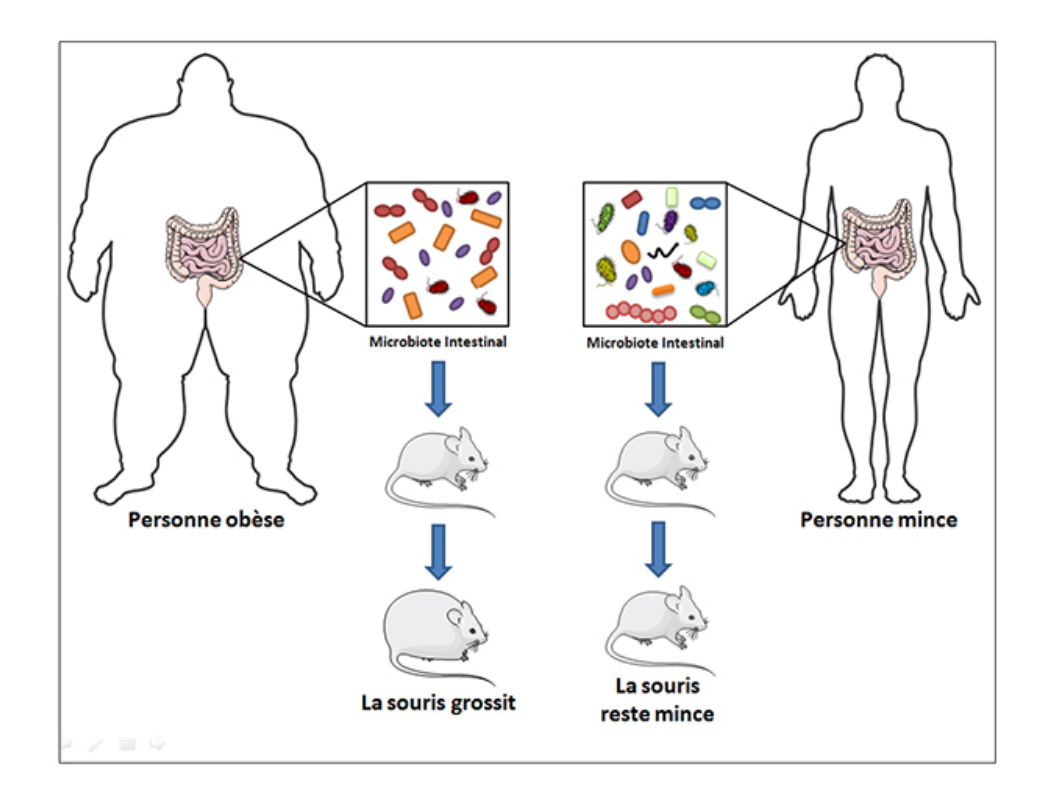
What people eat may influence how strongly they react to a vaccine, according to a new study published in the journal Science and reported by FoodNavigator. The researchers linked differences in the gut microbiome, which diet strongly shapes, to fever after the mRNA vaccine against SARS-CoV-2, the virus that causes Covid-19.
They profiled the faecal microbiomes of 171 young adults before and after vaccination and took their temperatures three times a day to measure fever. Some gut bacteria, such as Lachnospiraceae, produce flagellin, a protein that can activate inflammatory immune pathways. People with more intestinal inflammation before the jab, or with greater flagellin expression in the gut, were more likely to develop a fever afterwards.
Diet came into the picture through those microbes. Diets with more fat or processed-food additives, or fewer whole plant foods, tended to be correlated with the inflammatory microbiome linked to fever, while vegetarian diets were correlated with features linked to less fever. Importantly, the researchers found that inflammation and diet did not change antibody responses, so in this setting diet did not appear to affect how well the vaccine protects.
The study suggests that changing diet could one day be a way to reduce vaccine side effects. "Diet, microbial ecology, and the metabolic state are not immutable, and people might one day prepare for vaccination as deliberately as the vaccine itself is formulated," wrote Stanford University immunologist Bali Pulendran in a perspective on the paper. Causality still has to be established by future studies.
Fever and flu-like symptoms are among the most common vaccine side effects and often discourage people from being vaccinated. FoodNavigator noted that the findings could add to consumer interest in "clean label" foods with fewer additives, at a time when ultra-processed food is already under scrutiny.
Illustration: Muséum d'histoire naturelle de Toulouse / Wikimedia Commons (CC BY-SA 3.0)
Source: FoodNavigator

Comments
(0)