
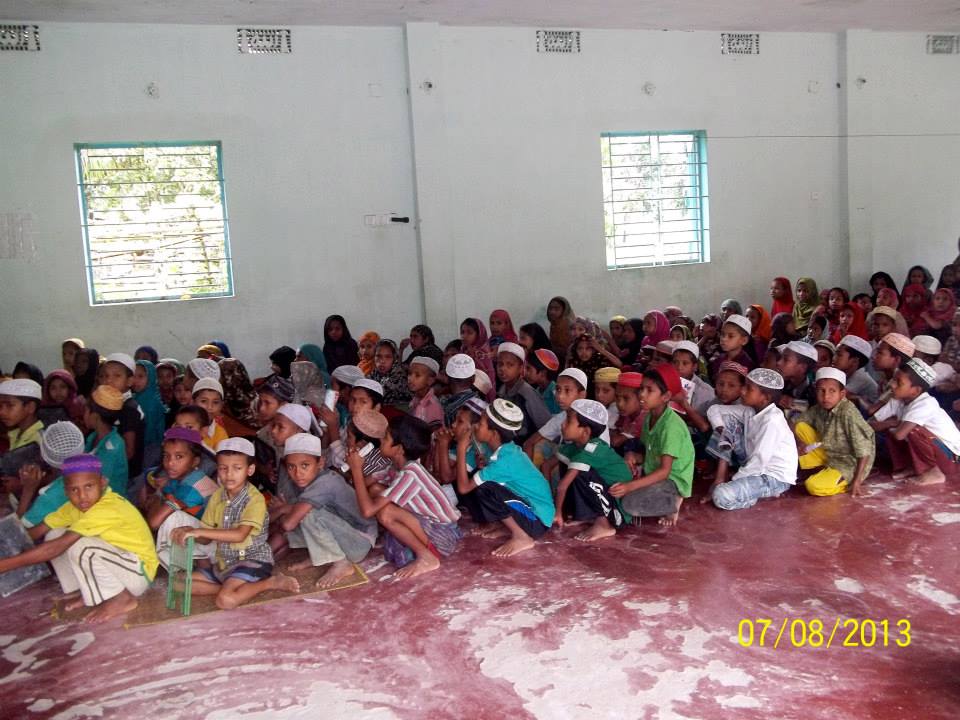
Jamia Kashiful Uloom Dhaka, at Tushardhara in the capital's Matuail, is a Qawmi madrasa, but alongside the Quran, hadith and the Dars-e-Nizami curriculum it teaches science, technology and general subjects. Its founder, the writer, researcher and education reformer Maulana Syed Anwar Abdullah, explained the idea in an interview with Hasan Al Mamun of Desh Rupantor.
Years of work on the Qawmi syllabus convinced him, he said, that madrasa students have great potential and the scope of their education should widen. He does not see this as an innovation: the original aim of Dars-e-Nizami was to introduce students to a broad body of knowledge, including logic, philosophy, mathematics and ilm al-tibb, or medicine, a scope that narrowed over time. He cited Darul Uloom Karachi in Pakistan and Darul Uloom Nadwatul Ulama in India as examples.
In Islam's golden age, he said, no line was drawn between the scholar of religion and the scientist. The aim is not to reduce religious learning but to strengthen its foundation, add the knowledge students need and keep an environment of practice and good character.
The madrasa has school and college sections; its students sit the SSC in the science stream, and this year all of them passed, he said. One student who completed hifz and qualified as an alim is now studying medicine at Sylhet MAG Osmani Medical College.
Over the next ten years he wants students who, besides serving in mosques and madrasas, become alims who are also doctors, engineers, administrators, researchers, entrepreneurs or technologists. His hope is that one day ulama will lead in science and technology.
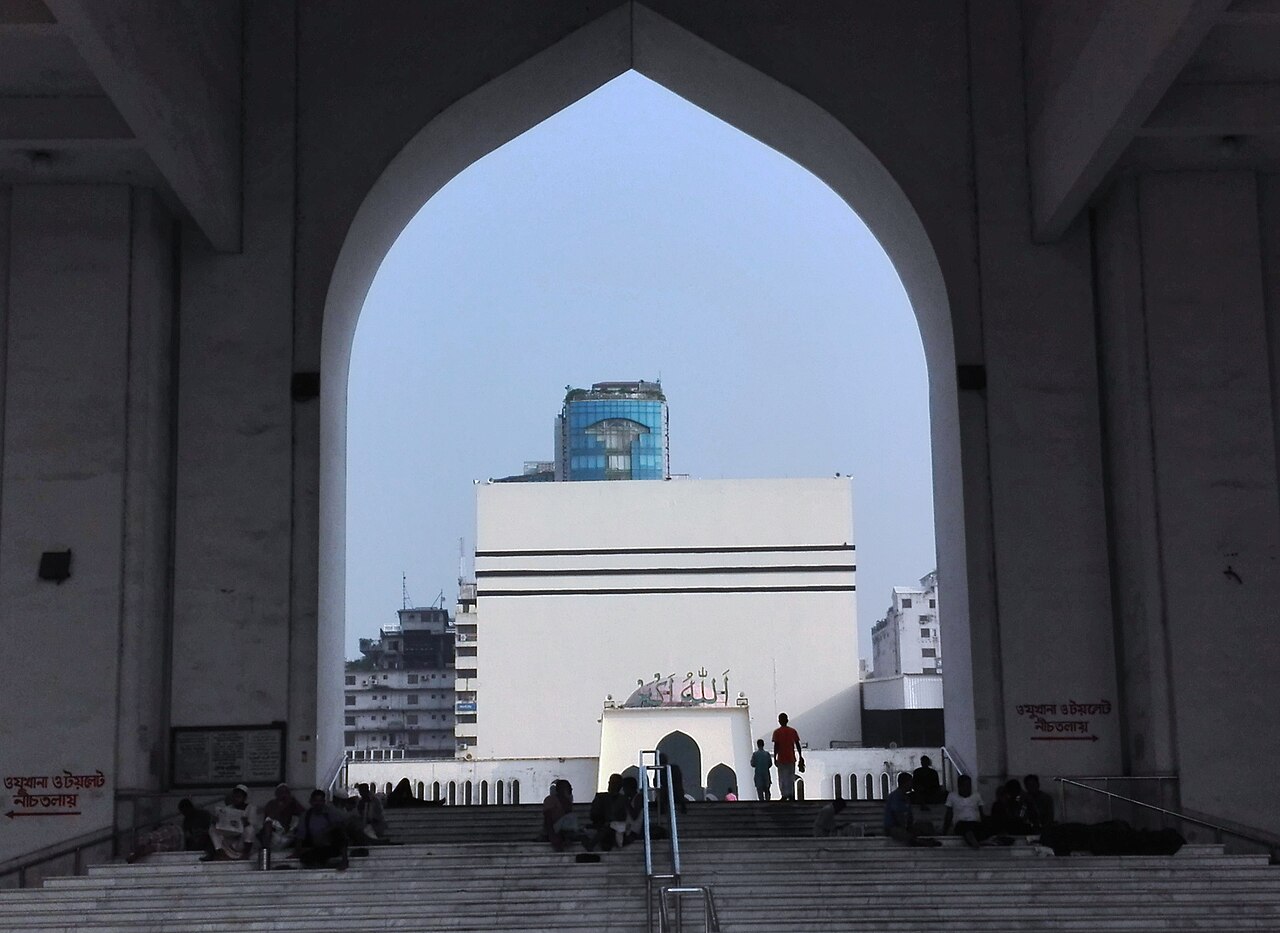
Photo: Haque05 / Wikimedia Commons (CC BY-SA 4.0)
Source: Desh Rupantor


Comments
(0)