
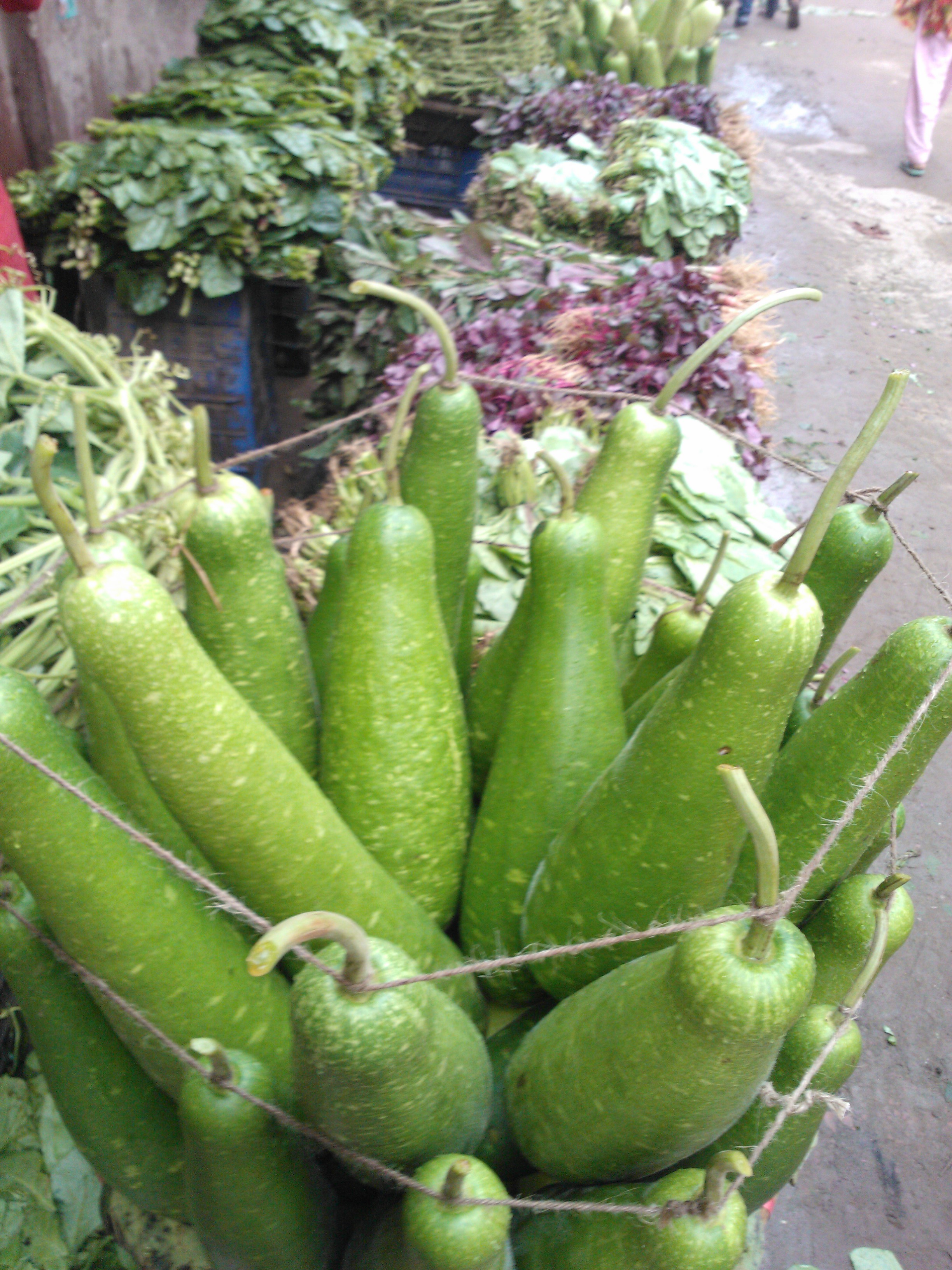
Continuous rain and floods in different parts of Bangladesh unsettled the kitchen markets of the capital in the third week of July 2026. Prices of almost all vegetables, fish, eggs, onions, green chillies and most other essentials rose, Jagonews24 reported on the morning of Friday 24 July 2026, after its senior reporter visited the Rampura, Khilgaon, Taltala and Malibagh kitchen markets in Dhaka.
The visit found that most goods had risen by Tk 20 to as much as Tk 200 a kilogram within a week. People on low and fixed incomes were in serious difficulty at the market, and many were struggling to buy as much as they needed.
The four markets serve neighbourhoods in the east of the city. Khilgaon is a thana and neighbourhood covering wards 24, 25 and 26 of Dhaka South City Corporation; the 2022 census counted 380,747 people in 99,235 households there. Rampura thana, to its west, covers 2.80 square kilometres, and the Rampura canal is the main drainage channel for rainwater from eastern Dhaka. Malibagh, one of the older neighbourhoods of the city, falls under Shahjahanpur thana.
Green chillies close to Tk 300 a kilogram
At Taltala market, Zahurul Islam was buying chillies. When he first asked for Tk 20 worth, the seller, Enamul, looked a little embarrassed and said: "100 grams of chillies is Tk 30. How much more can I give you for Tk 20?" He then weighed out 70 grams for the Tk 20 and handed them over in a small polythene bag.
"Only a few days ago 250 grams of chillies cost Tk 30. Now it has come down to 100 grams. In this country everything happens overnight," Zahurul said.
The seller said green chillies had been selling at Tk 280 to Tk 300 a kilogram since the day before. Two days earlier the price had been Tk 200, and before the rain and floods it was Tk 100 to Tk 120, which meant an increase of about Tk 200 a kilogram. Outside the market, van sellers were asking Tk 70 for a poa (a quarter of a kilogram), which works out at Tk 280 a kilogram.
The climb had been reported in stages through the month. On 14 July, Dhaka Tribune found green chillies at Tk 150 to Tk 160 a kilogram, up from Tk 120. On Friday 17 July the same paper found ordinary chillies at Tk 160 to Tk 180 and premium ones at Tk 200. On Tuesday 21 July, Prothom Alo reported that retail prices had passed Tk 200 a kilogram: Tk 200 to Tk 220 at Mohammadpur Krishi Market, Tk 250 to Tk 280 at Mohammadpur Town Hall Market and about Tk 200 for good-quality chillies at Karwan Bazar, where lower grades sold for about Tk 160. About a month earlier good-quality green chillies had cost Tk 100 to Tk 120 a kilogram, the paper said. A vendor at Town Hall Market told Prothom Alo that fewer chillies were reaching the wholesale markets because of the rain while demand remained strong.
The government's own retail price list showed the same direction. The Trading Corporation of Bangladesh (TCB) list for Thursday 23 July 2026 gave green chillies at Tk 150 to Tk 220 a kilogram in Dhaka, against Tk 120 to Tk 180 a week earlier, Tk 80 to Tk 120 a month earlier and Tk 60 to Tk 120 on the same date in 2025. The list noted that the price had risen again that day.
Chilli can be grown in both the summer and the winter seasons in Bangladesh, and green chilli yields an average of 5 to 6 tonnes a hectare, according to Banglapedia, the national encyclopedia. The summer crop was in the fields when the rain came. On 11 July the Department of Agricultural Extension (DAE) listed chilli among the crops affected in Jashore, Chuadanga, Meherpur, Sirajganj and Sunamganj. The director of the research wing of the Bangladesh Agricultural Research Institute (BARI) told The Business Standard that most summer crops had been harvested before the monsoon, but that vegetables, green chillies and newly prepared Aman seedbeds still in the fields could affect the market in the short term. A vegetable importer told the same paper that supplies often fall during disasters, that artificial shortages are also sometimes created to raise prices, and that transport disruption can quickly push up the price of green chillies.
Few vegetables below Tk 80 a kilogram
Apart from papaya at Tk 40 a kilogram and pointed gourd at Tk 60, no vegetable was selling for less than Tk 80 a kilogram, and most were priced at around Tk 100. At Rampura market, aubergine (brinjal) was selling for Tk 100 to Tk 150 a kilogram, ridge gourd and snake gourd for Tk 80 to Tk 100 and bitter gourd for Tk 120. Cucumber and carrot were also selling at Tk 120 to Tk 140 at the same market.
Earlier surveys show how quickly these prices had moved. On 14 July, Dhaka Tribune found that aubergine which had sold for Tk 60 to Tk 70 a week earlier had reached Tk 90 to Tk 100, bitter gourd had gone from Tk 60 to Tk 70 to Tk 90 to Tk 100, and cucumber from Tk 40 to Tk 50 to Tk 70 to Tk 80. By 17 July the paper found aubergine at Tk 90 to Tk 120 and cucumber at Tk 120 to Tk 160, with papaya, pointed gourd and okra still relatively cheap at Tk 20 to Tk 40, Tk 40 to Tk 60 and Tk 40 to Tk 60. On 21 July it reported long aubergine at Tk 100, round aubergine at Tk 150 and carrots at Tk 160 a kilogram.
In the TCB list of 23 July, aubergine was Tk 80 to Tk 120 a kilogram, against Tk 80 to Tk 100 a week earlier and Tk 60 to Tk 80 a month earlier; cucumber was Tk 80 to Tk 120, against Tk 70 to Tk 90 a week earlier and Tk 50 to Tk 80 a month before. Potatoes were unchanged at Tk 25 to Tk 30 a kilogram.
Traders put the rise down to supply. A vegetable trader at Ray Shaheb Bazar told Dhaka Tribune on 17 July that many vegetable fields remained under water, that transport disruptions had cut arrivals, and that only about half the usual volume of vegetables was reaching the market; traders there expected it to take another 10 to 15 days for supplies to return to normal. Department of Agricultural Extension figures reported by Prothom Alo on 18 July put the damage to vegetable fields at more than 20,000 hectares.
Onions up by as much as Tk 25 a kilogram
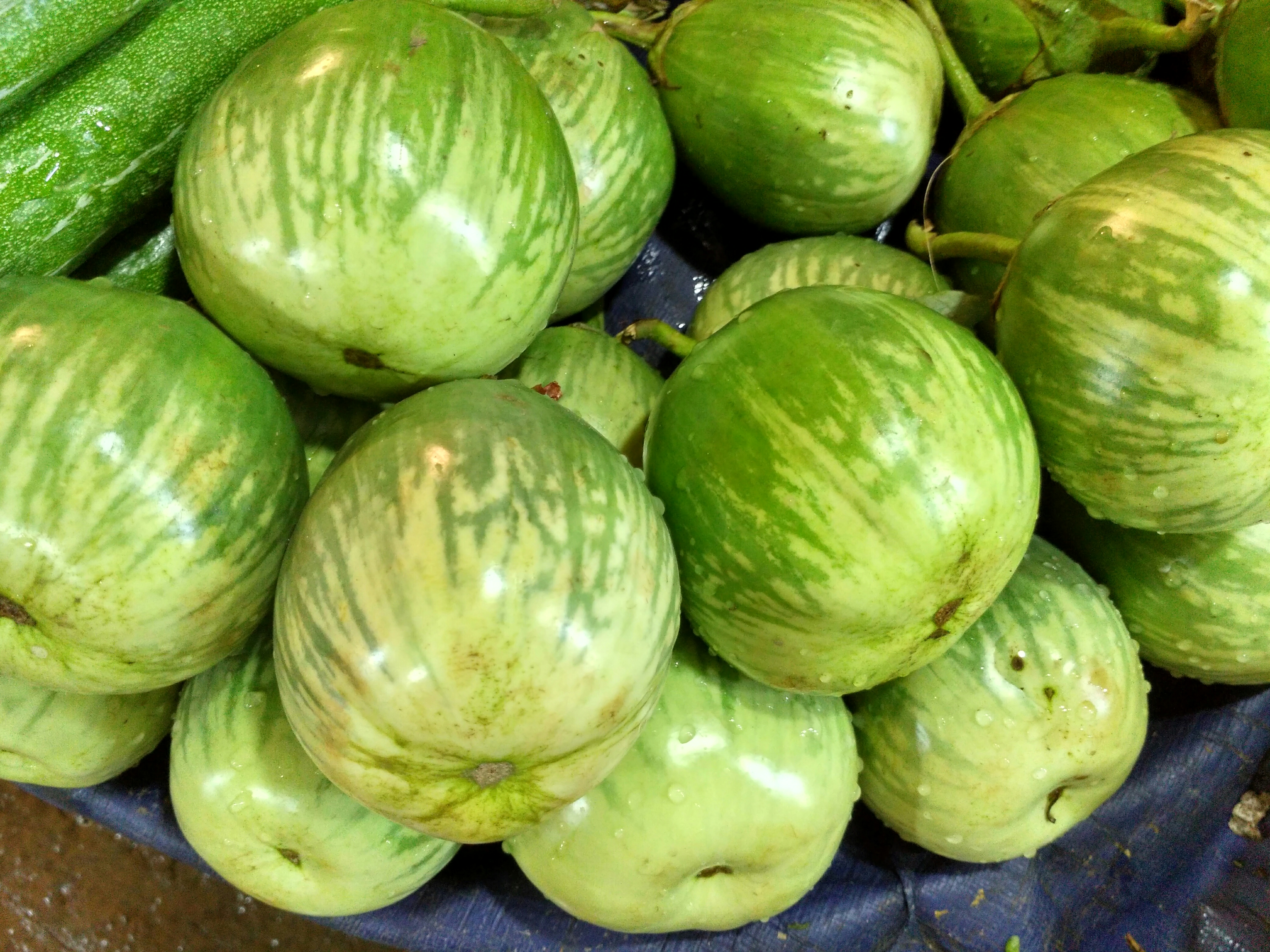
Only a few days earlier, onions had sold for Tk 35 to Tk 40 a kilogram depending on quality, and the vans that go round the neighbourhoods offered three kilograms for Tk 100. The rain and floods had now pushed the price up by as much as Tk 25 at a stroke.
Good-quality sorted onions were selling at retail for Tk 60 a kilogram, and medium or smaller onions for Tk 50 to Tk 55. At wholesale, a palla (five kilograms) of good onions sold for Tk 260 to Tk 280, against Tk 200 to Tk 220 the week before.
Trader Rafiqul Islam said onions reach Dhaka mainly from Pabna, Faridpur and Kushtia, but that after several days of continuous rain prices were high at the source markets (mokam) themselves. "We are buying at higher prices, so we have no choice but to sell for more than before," he said.
TCB recorded the same move. Its list of 23 July gave local onions at Tk 45 to Tk 55 a kilogram, against Tk 35 to Tk 45 a week earlier and Tk 40 to Tk 45 a month earlier, and noted that the rise had been recorded on 20 July; a year earlier the price had been Tk 55 to Tk 65. The list carried no price for imported onions. Prothom Alo found onions at Tk 45 to Tk 50 on 21 July, up from Tk 35 to Tk 40 a week earlier, and Dhaka Tribune reported the same day that onions which had sold at Tk 40 now cost Tk 60.
The three districts the trader named are the country's main onion belt. The Bangladesh Bureau of Statistics (BBS), in its Yearbook of Agricultural Statistics 2025 released in June 2026, put national onion production in 2024-25 at 3,221,431 tonnes from 535,599 acres. Pabna produced 758,890 tonnes from 108,590 acres, Faridpur 565,845 tonnes from 100,408 acres and Kushtia 180,120 tonnes from 26,799 acres. Onion (Allium cepa) is grown in every district, and in Bangladesh it is transplanted in December or the first week of January, according to Banglapedia, which also lists onion among the goods TCB imports.
Eggs, broiler and Sonali chicken
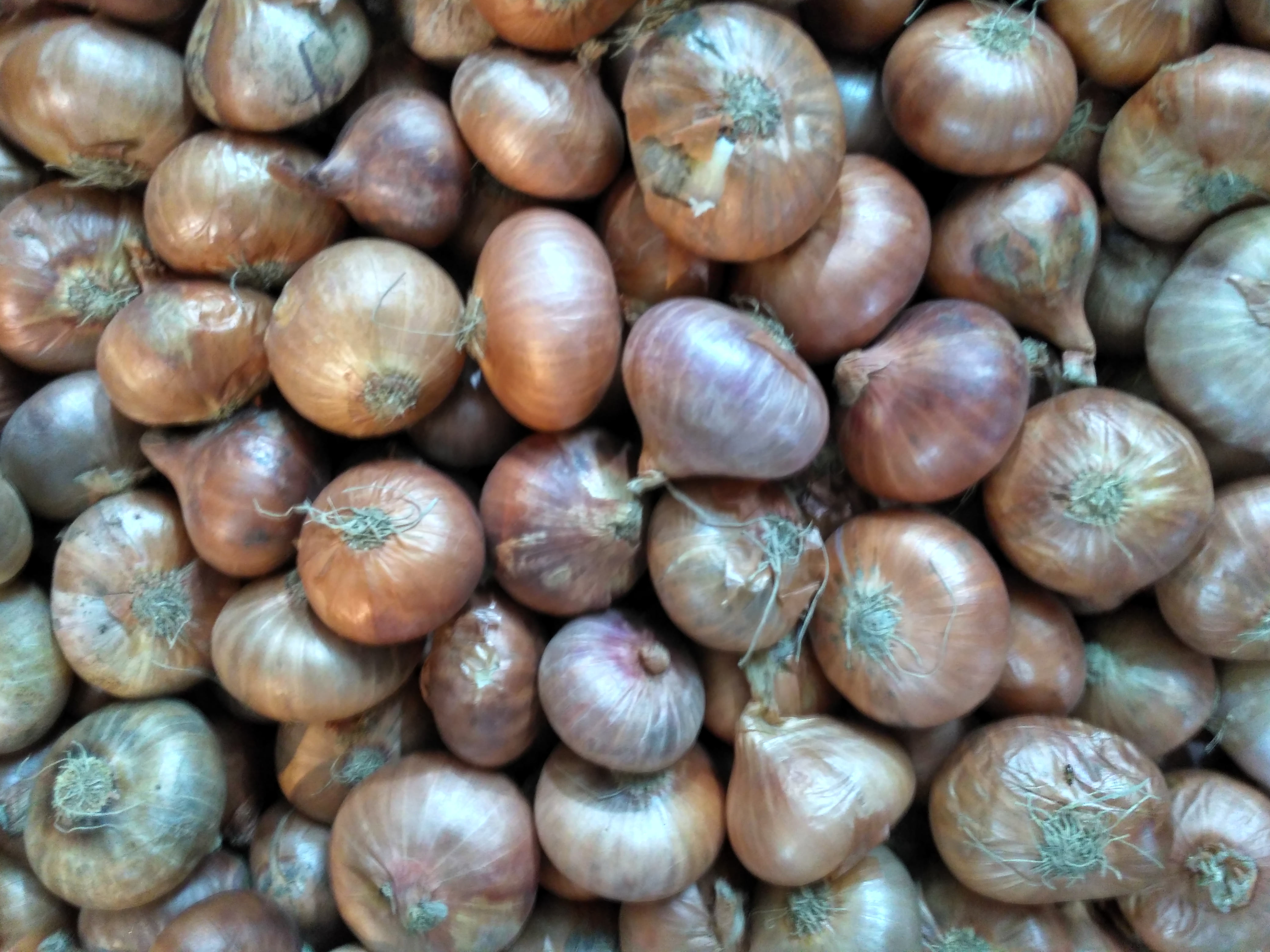
Farm hen eggs were selling for Tk 140 a dozen, up from Tk 130 a few days earlier; a week and a half to two weeks before, a dozen could be had for Tk 120. Broiler chicken had risen by Tk 20 a kilogram to Tk 190 to Tk 210, and Sonali chicken cost Tk 350 to Tk 380 a kilogram.
Dhaka Tribune had reported the start of this rise on 17 July: brown eggs that sold for Tk 120 to Tk 130 a dozen a week earlier were then Tk 140, white eggs Tk 120 to Tk 130 and duck eggs Tk 190 to Tk 200, up from Tk 170 to Tk 180. Traders told the paper that higher vegetable prices had led many shoppers to switch to eggs, adding to demand while supply fell. Broiler chicken was then Tk 180 to Tk 200 a kilogram, up from Tk 170 to Tk 180, and Sonali Tk 340 to Tk 360.
In the TCB list of 23 July, farm eggs were Tk 45 to Tk 50 a hali (four eggs), against Tk 40 to Tk 45 a week earlier, a rise TCB recorded on 22 July. Broiler chicken was Tk 180 to Tk 200 a kilogram, the same as a week earlier but up from Tk 170 to Tk 180 a month before and Tk 150 to Tk 170 a year before. Deshi (local) chicken was Tk 600 to Tk 750.
The floods also reached the farms. Department of Livestock Services (DLS) data reported by Prothom Alo on 18 July showed that 4,819 livestock farms had been hit, with losses of about Tk 190 million; in poultry, more than 6,000 birds were affected and more than 2,500 died, a loss of Tk 200 million. About 12,000 tonnes of concentrate feed were destroyed, and the total loss in the livestock sector was put at Tk 810.5 million.
DLS figures for 2024-25 put national egg production at 2,440.65 crore eggs, from a poultry population of 3,360.70 lakh chickens and 705.82 lakh ducks. Sonali is a crossbreed produced from Rhode Island Red cocks and Fayoumi hens, valued for its egg production and its adaptability to rural conditions, according to a 2015 study in the journal Livestock Research for Rural Development.
Fish prices climb as floods hit ponds
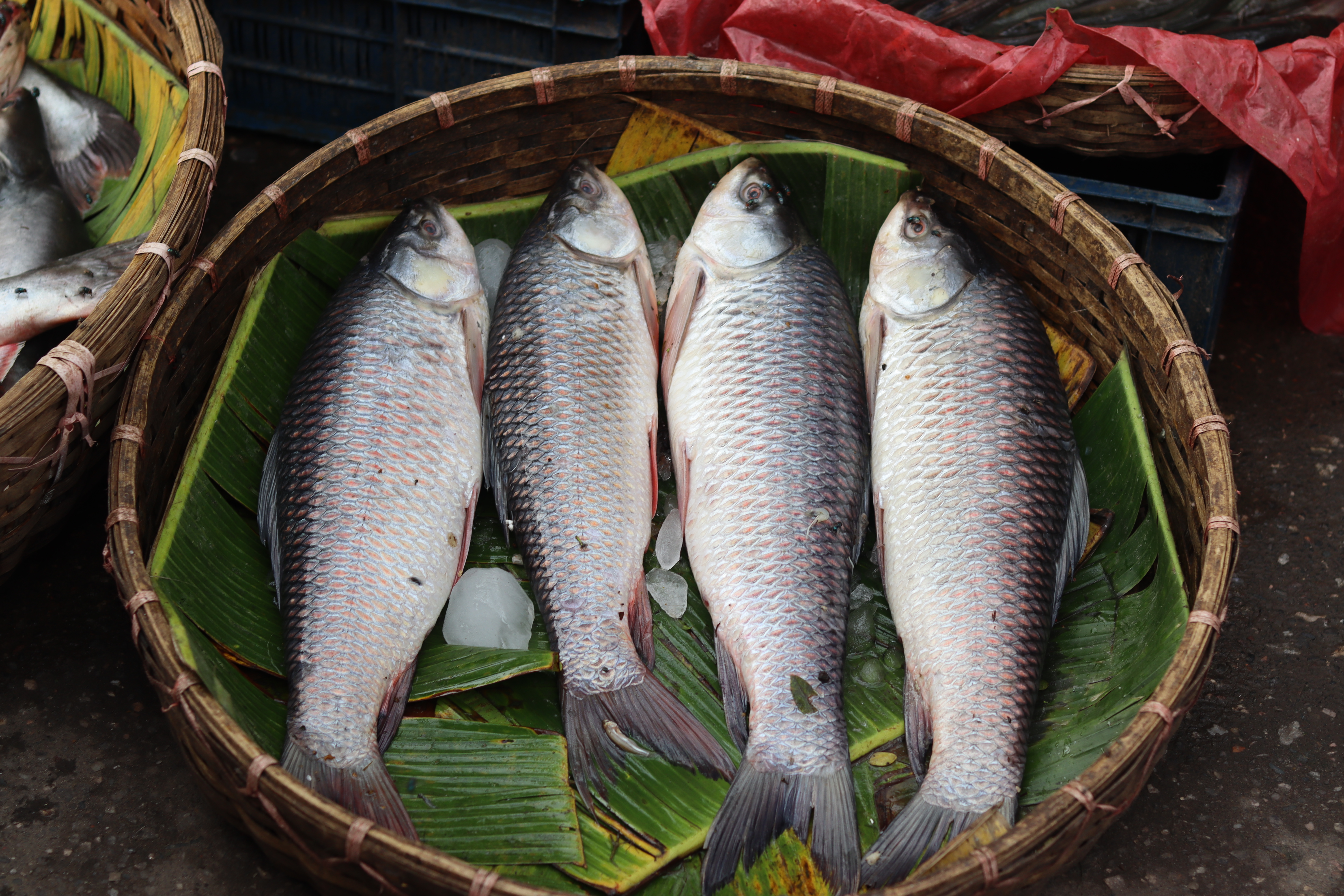
Rui of two to two and a half kilograms had sold for Tk 350 to Tk 380 a kilogram until recently. Sellers were now asking Tk 400 to Tk 450. They said several days of heavy rain and sudden floods in different parts of the country had hurt the supply of fish.
It was not just rui: the same was true of almost every fish, from tilapia to pangas. With supply down, prices had risen by at least Tk 20 to Tk 200 a kilogram within a few days, leaving ordinary buyers very uneasy at the fish market.
Anisur Rahman, a private-sector employee who had come to shop, said angrily: "Everything is already expensive. Now, using the rain as an excuse, fish prices have been raised too. It is becoming hard for ordinary people like us to survive."
Tilapia and pangas, known as the fish that low- and middle-income families rely on, had risen by Tk 20 to Tk 30 a kilogram. Tilapia was selling for Tk 240 to Tk 260 a kilogram and pangas for Tk 220 to Tk 250.
Farmed shrimp cost Tk 900 to Tk 1,200 a kilogram, Tk 100 more than the week before. Pabda was selling for Tk 400 to Tk 450 a kilogram. With little hilsa in the market, buyers had to pay Tk 1,600 to Tk 1,800 for a one-kilogram fish.
Other markets showed the same picture in the days before. On 17 July, Dhaka Tribune found medium farmed rui and katla at Tk 400 to Tk 450, up from Tk 350 to Tk 380 a few days earlier, with a one-kilogram hilsa at Tk 1,600 to Tk 2,400; a fish trader at Narinda market told the paper that ponds and farms in many parts of the country had been damaged by the floods. On 14 July, a fish trader at Kalta Bazar had told the same paper that flooding had reduced fishing and that the rain kept many fishermen from going out on the rivers. The TCB list of 23 July, which covers only rui and hilsa among fish, still gave rui at Tk 300 to Tk 450 and hilsa at Tk 800 to Tk 1,800 a kilogram, the same ranges as a week and a month earlier.
The damage behind these prices was large. According to the Department of Fisheries (DoF), as reported by Prothom Alo on 18 July, losses in the fisheries sector exceeded Tk 4.07 billion. About 34,000 fish farms and ponds and 3,889 ghers (shrimp enclosures) had been affected, 46 fishing vessels damaged and five fishermen killed. Shrimp ghers were destroyed over wide areas of the coast, particularly in Chattogram and Patuakhali, and fish farms in the Cumilla and Rajshahi regions were breached as the water rose.
The fish on the counter
Most of the fish named in the survey are farmed. Department of Fisheries figures published by BBS put the country's total fish production in 2024-25 at 5,111,497 tonnes, of which 3,107,115 tonnes came from inland closed-water culture (ponds, seasonal water bodies, baors, farms, pens and cages), 1,436,070 tonnes from open waters (rivers and estuaries, the Sundarbans, beels, Kaptai Lake and floodplains including haors), and 568,312 tonnes from the sea. The major carps (rui, catla and mrigal) together yielded 1,182,018 tonnes, tilapia 447,557 tonnes, pangas 435,448 tonnes, hilsa 500,288 tonnes and shrimp and prawn 298,519 tonnes. In 2023-24 the hilsa catch had been 529,487 tonnes.
Rui, or rohu (Labeo rohita), is a large carp of South Asian rivers and one of the most important farmed freshwater fish in the region. It spawns in the monsoon in flooded rivers, and because it does not breed in still water when farmed, induced spawning is needed. Pangas (Pangasianodon hypophthalmus) is a catfish native to the Mekong and Chao Phraya rivers of Southeast Asia that has been introduced to other countries for farming; its swim bladder works as an air-breathing organ, which lets it tolerate water low in oxygen. Nile tilapia (Oreochromis niloticus) occurs naturally in Africa and the Levant and is farmed worldwide for its hardiness. Pabda (Ompok pabda) is a native catfish of the streams, ponds and lakes of Bangladesh and neighbouring countries that breeds between May and August.
Hilsa (Tenualosa ilisha) is the national fish of Bangladesh. On 6 August 2017 the Department of Patents, Designs and Trademarks declared it a Geographical Indication of Bangladesh.
Rain and floods across the country
The rise came after weeks of heavy rain. As of Saturday 11 July, the DAE counted about 28,610 hectares of cropland affected by rain and flash floods in 12 districts: Chattogram, Cox's Bazar, Rangamati, Khagrachhari, Bandarban, Sunamganj, Sirajganj, Habiganj, Naogaon, Jashore, Chuadanga and Meherpur. Aus rice, Aman seedbeds, summer vegetables and betel leaf were hit, The Business Standard reported. On 12 July, the Flood Forecasting and Warning Centre (FFWC) warned that the flood situation in the north-east could worsen over the following 24 to 72 hours as the Khowai, Manu, Kushiyara and Surma rose.
By 18 July, Prothom Alo reported, floods in several districts including Chattogram, Cumilla and Sylhet had claimed more than 50 lives. Persistent rain had affected 43 districts, 16 of them severely, and about 82,000 hectares of cropland were still under water, down from 100,000 hectares the previous Sunday. About 53,000 hectares of Aus paddy remained submerged and 9,000 hectares of Aman seedbeds had been damaged. An agricultural economist told the paper that about 10 per cent of the Aus crop had been damaged, which could mean a shortfall of 300,000 tonnes of rice, and agriculturalists warned that the floods could push up the prices of food, fish and poultry.
Moving produce was also harder. The Bangla edition of The Daily Star reported on 21 July that as floodwater receded in Moulvibazar and Habiganj, strong currents and erosion on the Manu, Dhalai and Khowai rivers had left more than 210 kilometres of roads damaged in the two districts, and the Local Government Engineering Department (LGED) estimated that more than Tk 100 crore would be needed to repair roads, bridges and culverts. Residents told the paper that farmers were losing money because they could not take their produce to market on time.
The rain had not ended when the survey was made. In its bulletin of 22 July, the FFWC reported the Kushiyara 2 centimetres above the danger level at Markuli in Sunamganj and 35 centimetres above it at Fenchuganj in Sylhet, and the Someswari 5 centimetres above danger at Kalmakanda in Netrokona, while the Surma at Chhatak had fallen below its danger mark; of 127 monitoring stations, 75 showed rising water. The Bangladesh Meteorological Department forecast heavy to very heavy rain over the Chattogram and Barishal divisions for the following 24 to 48 hours, and the FFWC said low-lying parts of Kurigram, Gaibandha, Jamalpur, Bogura, Sirajganj and Tangail could flood temporarily as the Ganges, Padma and Jamuna rose, the Daily Observer reported. A day earlier Prothom Alo had noted the Meteorological Department's forecast of five more consecutive days of rain across the country. The FFWC was set up in 1972 under the Bangladesh Water Development Board.
How the government tracks Dhaka's prices
The TCB is an autonomous state-owned trading body under the Ministry of Commerce, set up in 1972 by Presidential Order No 68. Its tasks have included importing goods the government needs, distributing them at fair prices to keep the market stable and keeping a watch on the supply and prices of essential goods. Its head office is at Karwan Bazar in Dhaka.
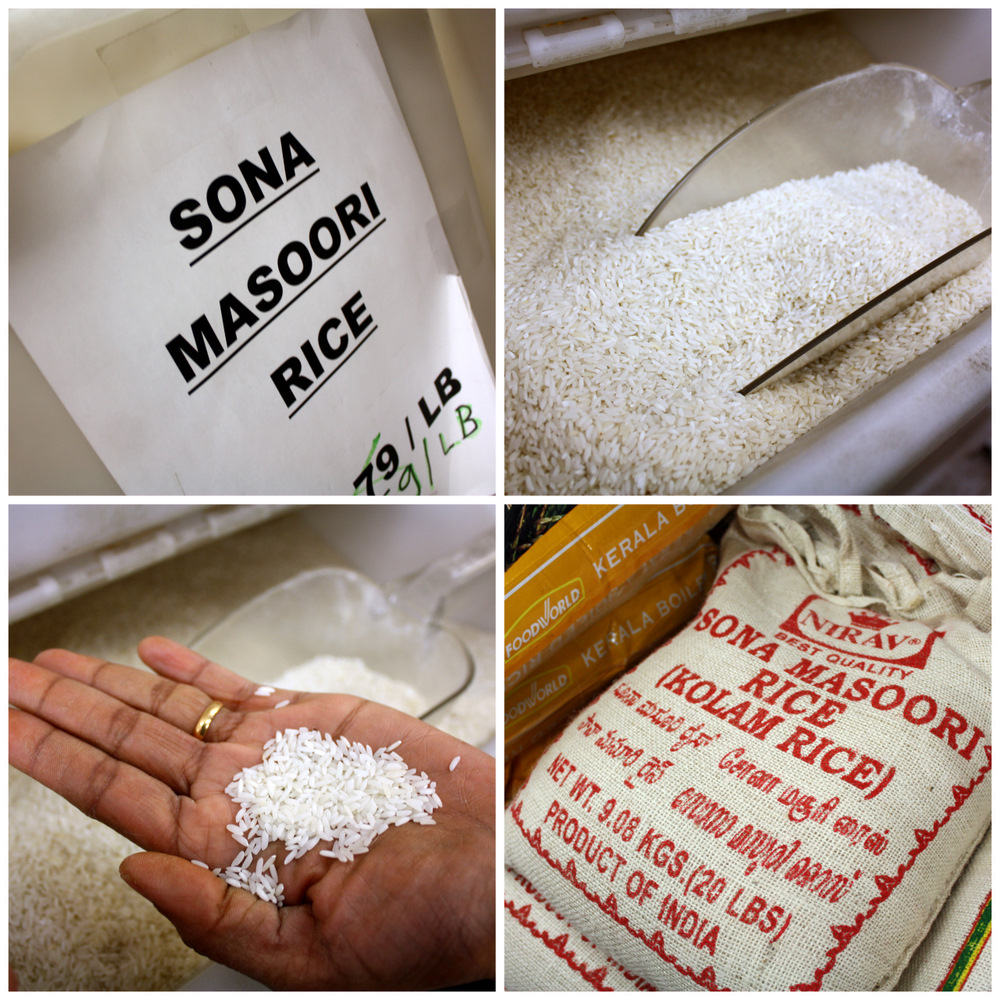
Its daily retail price list for Dhaka is compiled from six markets: Sepahibagh, Mirpur-6, Mohammadpur Town Hall, New Market, Rampura and Mohakhali, so one of the markets in the Jagonews24 survey is also in the government's sample. The list for 23 July recorded week-on-week rises in loose atta and maida, local onions, imported garlic, imported ginger, green chillies, aubergine, cucumber and eggs, and falls in loose soybean oil, coarse lentils, local garlic and cumin; other prices were unchanged. Rice, for example, stayed at Tk 72 to Tk 85 a kilogram for fine, Tk 55 to Tk 68 for medium and Tk 50 to Tk 60 for coarse grades.
The rise came on top of already high living costs. On 6 July 2026, BBS reported that point-to-point inflation had eased to 9.16 per cent in June from 9.42 per cent in May, and food inflation to 8.60 per cent from 9.06 per cent; in June 2025 food inflation had been 7.39 per cent. Economists quoted by Dhaka Tribune said the cost of living for ordinary people remained high while inflation stayed above 9 per cent, and that the pressure on low- and middle-income families continued.
Photo: NahidSultan / Wikimedia Commons (CC BY-SA 3.0)
Sources: Jagonews24, Trading Corporation of Bangladesh (TCB), Prothom Alo, Dhaka Tribune, The Business Standard, The Daily Star Bangla, Daily Observer, Bangladesh Bureau of Statistics (BBS), Department of Livestock Services (DLS), Livestock Research for Rural Development, Banglapedia, Wikipedia
Comments
(0)