
It is hard to say exactly when development journalism began or took an institutional form. But it grew at a time when food security in the world was very weak, and later it spread in many directions. Thinking about ensuring food security worldwide goes back mainly 50 to 60 years. When the world's population was 3 to 3.5 billion, everyone feared famine was coming. To escape it, the Green Revolution was planned worldwide. There are many arguments for and against it, but its core idea was that ensuring food security required combining agriculture with science and technology.
The Green Revolution
Discussion first began in the sixties, and the full results of the research started to come soon after. Norman Borlaug first gave the idea. Staple foods differ from country to country: rice in much of Asia, potatoes in many European countries, wheat and barley in some places, beans in others. Until the sixties, production of each country's staple was low because the varieties were local.
Population was rising constantly, but crop production was not. Local seed gave very little, 10 maunds per bigha or less, when 30 to 40 maunds per bigha were needed. According to Malthus's theory, population grows geometrically while food production grows arithmetically. To escape this, Norman Borlaug first used cross-pollination through breeding to make local wheat high-yielding, and production rose from 10 maunds to 30 or 40. The feared famine was partly averted with this technology.
Where wheat was the staple, wheat was improved; where rice was the staple, rice was. In Bangladesh, BRRI has so far developed 58 varieties, known as HYV (high-yielding varieties). Local varieties give 8 to 10 maunds of rice per bigha, improved ones 25 to 30. That our 160 million people are fed and clothed is due only to the Green Revolution.
How development journalism was born
This science and technology did not spread across the world in a day. Farming used to depend entirely on nature; now crops come all year because irrigation, chemical fertiliser, improved seed and technology have spread from country to country. In the seventies and eighties, a trend emerged of using the media to popularise these technologies among farmers locally, and that is how the idea of development journalism first arrived.
An African director-general of an international food organisation first said that a journalism had to be invented that would extend these technologies locally in each country, with journalists and the media acting as extension agents. Poor countries, he argued, could not be kept alive forever through PL-480 food aid from America; they had to produce their own food by spreading technology, or they would stay poor. Some others say development journalism first emerged in the Philippines.
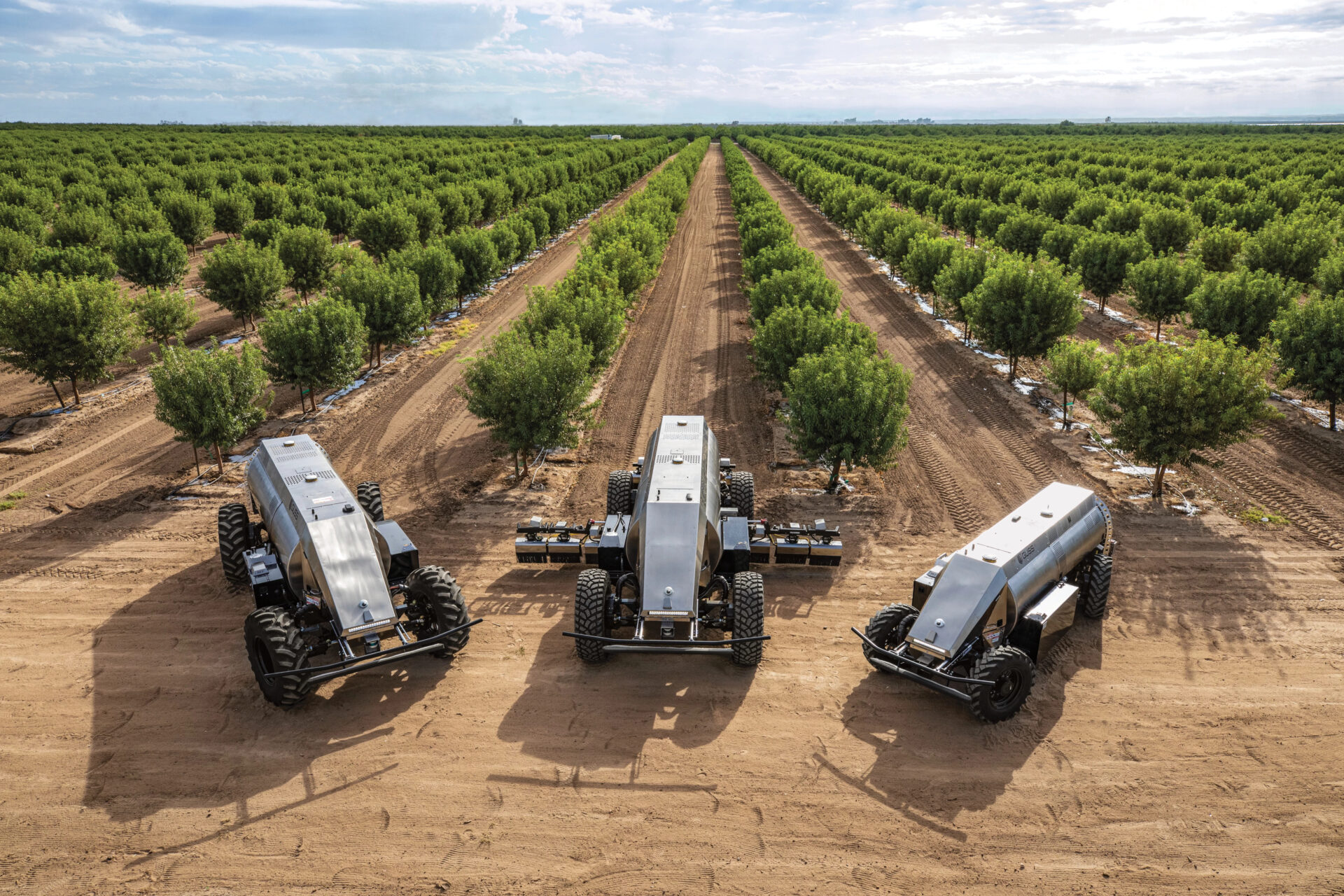
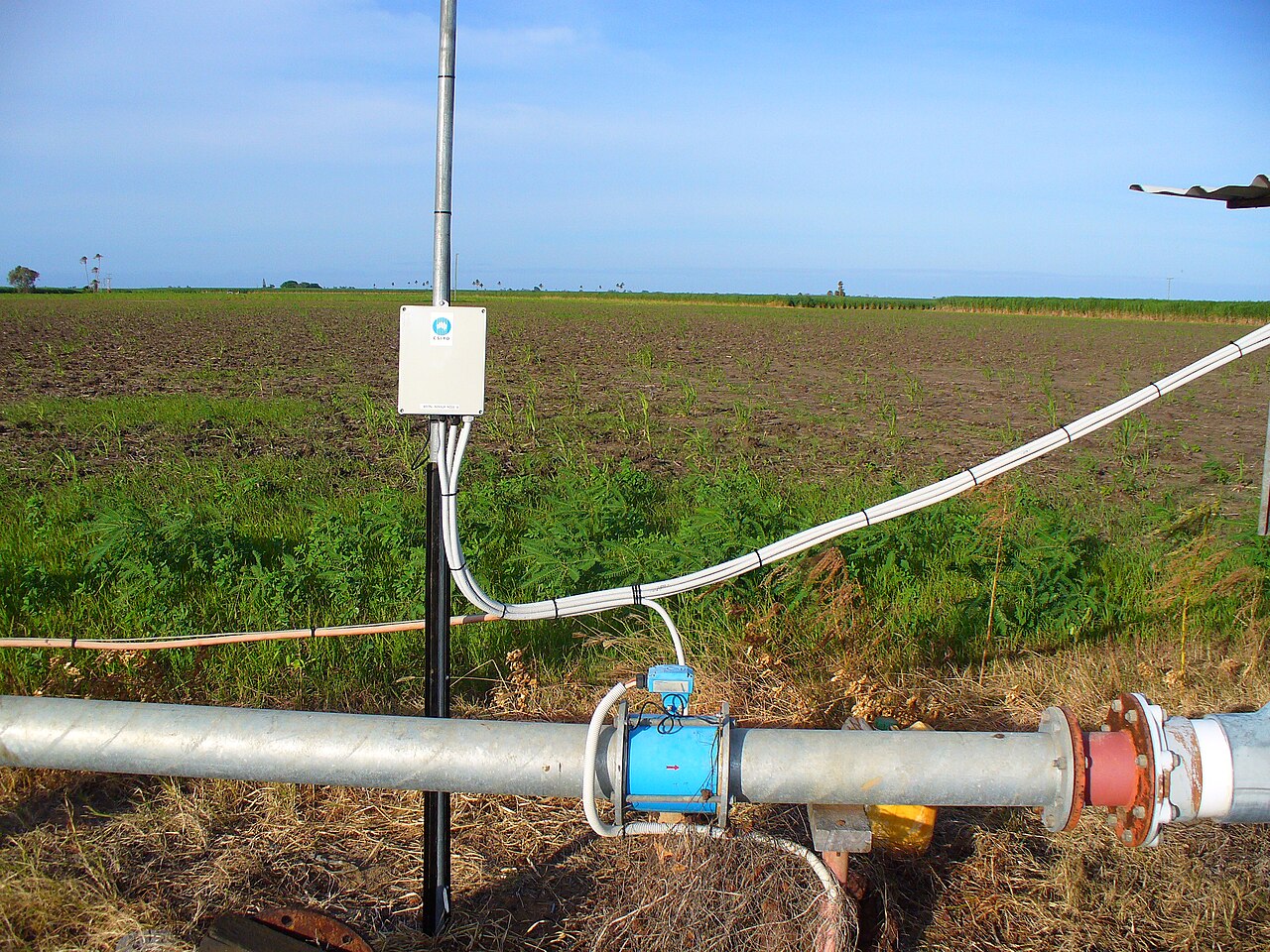
We have now passed one stage of development journalism. In the age of information technology it should undergo revolutionary change. Thailand has apps for checking produce prices, but on that front little work on agriculture has been done in Asia. In America there is a channel named Sun TV devoted to agriculture, and radio stations in the Philippines carry farm programmes. Our Prime Minister, too, is keen on the use of technology in agriculture.
Some Asian countries have non-partisan, neutral farm organisations, such as JA (Japan Agricultural Association) in Japan. Bangladesh needs such an organisation; those that exist are mainly driven by political ideology. A neutral organisation could stand up for farmers' rights.
Development journalism and television in Bangladesh
After independence, Bangladesh was poor and underdeveloped, with a food deficit, followed by the famine of 1974. We had to import food; technology had not spread and there was no crop diversity, only rice and jute. That was when I started working in television. From 1975 until 1980 I worked on entertainment and sports programmes. Then I began to think that television was not just an entertainment box. It could be a magic box for extension and for exchanging information, a box that could motivate people. From that thinking, in 1980 I started planning an agricultural programme.
In the 1980s many could not imagine a young man like me working on agriculture. Family, friends and people close to me scorned me, because television then was all about entertainment. But I had decided that if I could share the technologies developed in our country through television, I could play the role of an extension worker, just as our researchers, field workers and agricultural extension officers had.
Something said on television is heard and seen by millions across Bangladesh at once, and as a visual medium it can show everyone the use of technology, its successes and innovations. From a journalist's point of view I play the role of an extension agent, and with that vow I started "Mati O Manush".
The beginning of Mati O Manush
When I started, I saw that Bangladesh's farming system and the very definitions of agriculture and farmer were confined to a narrow space. Agriculture meant only rice and jute; a farmer meant only the ordinary villager who lived by his labour. I felt this definition had to be broken, or neither agriculture nor farmers would develop. Growing only rice and jute did not feed the farmer, clothe him or send his children to school.
The solution was to introduce farmers to new technology and new farming ideas: grow vegetables in the courtyard, where at the time there was at most a bottle gourd trellis climbing the corner of the house; farm fish in the pond in front of the house, whose water people drank because there were no tube wells; grow fruit; set up poultry farms instead of a few hens under a basket; build biogas plants from cow dung. All of this together would be integrated farming.
Working across so many sectors brings some income from each. Cow dung can make biogas for cooking and lighting the home, and by that light children can study. This is how living standards can improve.
Not only villagers but a young city man, a low-income employee or a housewife can be a farmer, earning from cage-culture poultry or rooftop gardening. Motivated young people turned to poultry and fish farms, and the return on investing their education in agriculture could be far greater than a job. That is why Bangladesh now has poultry farms worth 300 billion taka and fish farms worth 260 billion taka, with thousands of young people involved. Slowly, the definition of the farmer broke.
With these ideas I started Mati O Manush in 1980. It is hard now to imagine the logistics needed for such a programme then. Shooting took at least two days. The equipment was heavy: three people lifted a VCR and two held the camera. When we took such things to villages, people were naturally afraid and ran away, because they had never seen them before. (To be continued.)
Source: Shykh Seraj. First published in Bengali on The Agro News.
Comments
(0)