
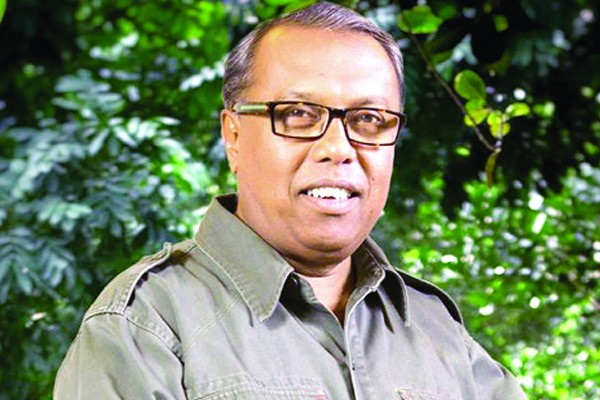
Through television, Shykh Seraj urged farmers to leave old practices: with more children and less land, local seed could not feed them, so they should plant the government's improved seed. Farmers said that rice was "rubber rice"; they refused wheat, saying "are we Pakistanis?", and maize, which they linked to Zulfikar Ali Bhutto's name.
Spreading homestead vegetables
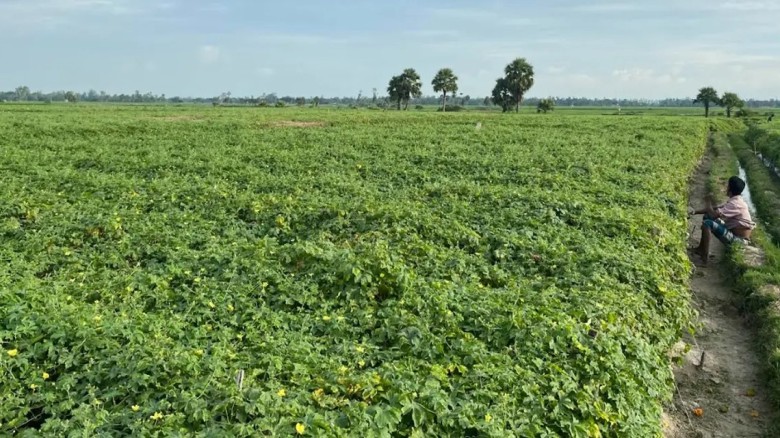
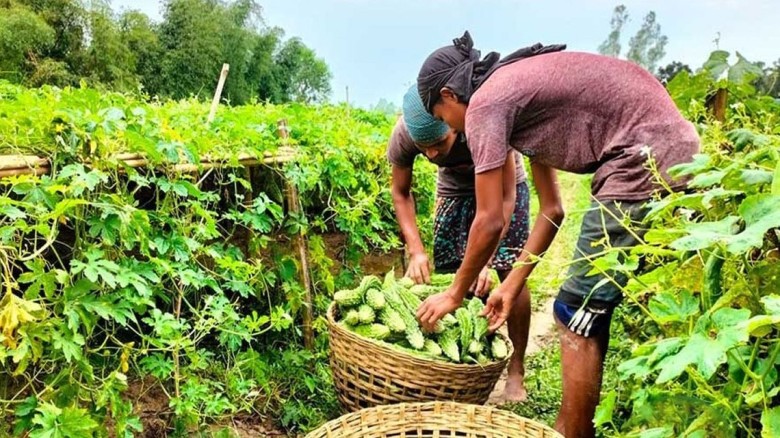
At Kalikapur in Ishwardi, agriculture officers had built a model homestead vegetable garden: a 20 by 20 foot plot in beds could give vegetables all year. A foreign organisation later spread the model across northern districts through television, and gourd trellises moved to rice field bunds and pond banks. Still, habits died hard: of 500 farmers told, five would try, and others were brought to see their results. When Akhtar Hameed Khan, founder of Comilla BARD, first installed irrigation in a village for HYV rice, villagers ran away in fear as water came up.
Speaking the farmer's language
At first, farmers could not understand his standard Bengali, and they were wary of townsmen in shirts and trousers with equipment. After about two years, he created a spoken Bengali understood from Barishal to Chattogram to Noakhali, asking what differed between last year's crop and this year's. Farmers then opened up. Broadcasting it caused a stir at the station, but thoughtful officials supported it.
Into the mud
He noticed the farmer stood in mud while he stood on the bund. He first sat beside farmers on the bund, then walked into the mud to them, taking the camera and the audience with him.
One green shirt
To connect with viewers, he chose a single outfit, a pilot shirt with flaps, first biscuit-coloured and later green like paddy fields, with a pen in the pocket and glasses, as rural people respected teachers and imams. After five years, the camera turned to farmers, who told of their progress: children at school, better yields from DAE seed, fish and vegetables, higher incomes. Food security, a large poultry industry and year-round vegetables came from the hard work of agriculturists, the Department of Agricultural Extension (DAE), the government and farmers; Seraj says media helped a little. Since 1980 he has told people that agriculture must be integrated.
Source: Shykh Seraj. First published in Bengali on The Agro News.
Comments
(0)