
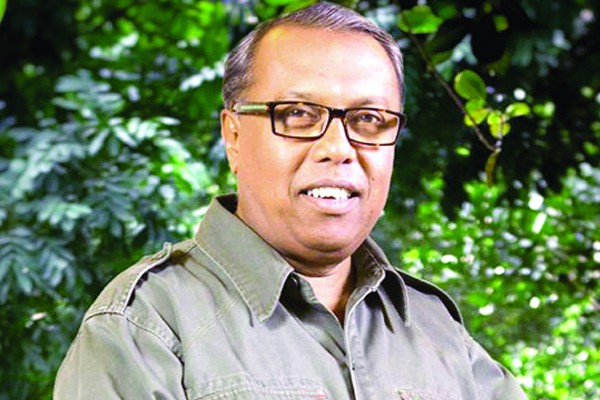
After production, Shykh Seraj turned to marketing farmers' produce and policy-level work: whether farmers got fair prices and a place to sell was the next generation of Mati O Manush.
Three taka to thirty-two
He found that a cabbage a farmer sold for 3 taka reached the final buyer at 32 taka. Farmers and consumers both lose, while a large sum goes to middlemen. In Narsingdi, a cabbage sold to a wholesaler became 10 taka at Belabo market and 32 taka at Shantinagar in Dhaka. He raised this in the first episode of Hridoye Mati O Manush in 2004, when farm prices had not been discussed before, and the media took up the issue.
Value addition and imports
Bangladesh was not self-sufficient in food at first; now it exports rice. Yet 110 million people still live in villages and are not as well off as they should be. There is little value addition: a kilogram of tomatoes at 30 taka makes salad, but bottled in a factory it sells for 230 taka. The government could discourage imports with high duties when farmers' crops reach market. Of the three pillars of the economy, garments, remittances and agriculture, agriculture offers the most sustainable development, and much garment and remittance income comes from farm families. He cites PRAN's investment in Natore, with pulses, peas and a juice factory using fallen mangoes.
Farmers' health and dignity
Farmers are not machines for producing food. He created farmers' Eid programmes and farmers' football and cricket world cups. Farmers face occupational hazards and should keep gumboots, gloves and masks, since they walk barefoot where fertiliser or pesticide has just been sprayed. Doctors should be sent to villages.
Budget and roots
Budgets were made without asking 110 million people, so he began "Agriculture Budget, Farmers' Budget". To bridge the gap between city and village, he created "Fire Chol Matir Tane" and a junior version, where a few young people visit but thousands watch. He urges young journalists to cover climate change, agriculture and nature, not only crime and politics.
Source: Shykh Seraj. First published in Bengali on The Agro News.
Comments
(0)