
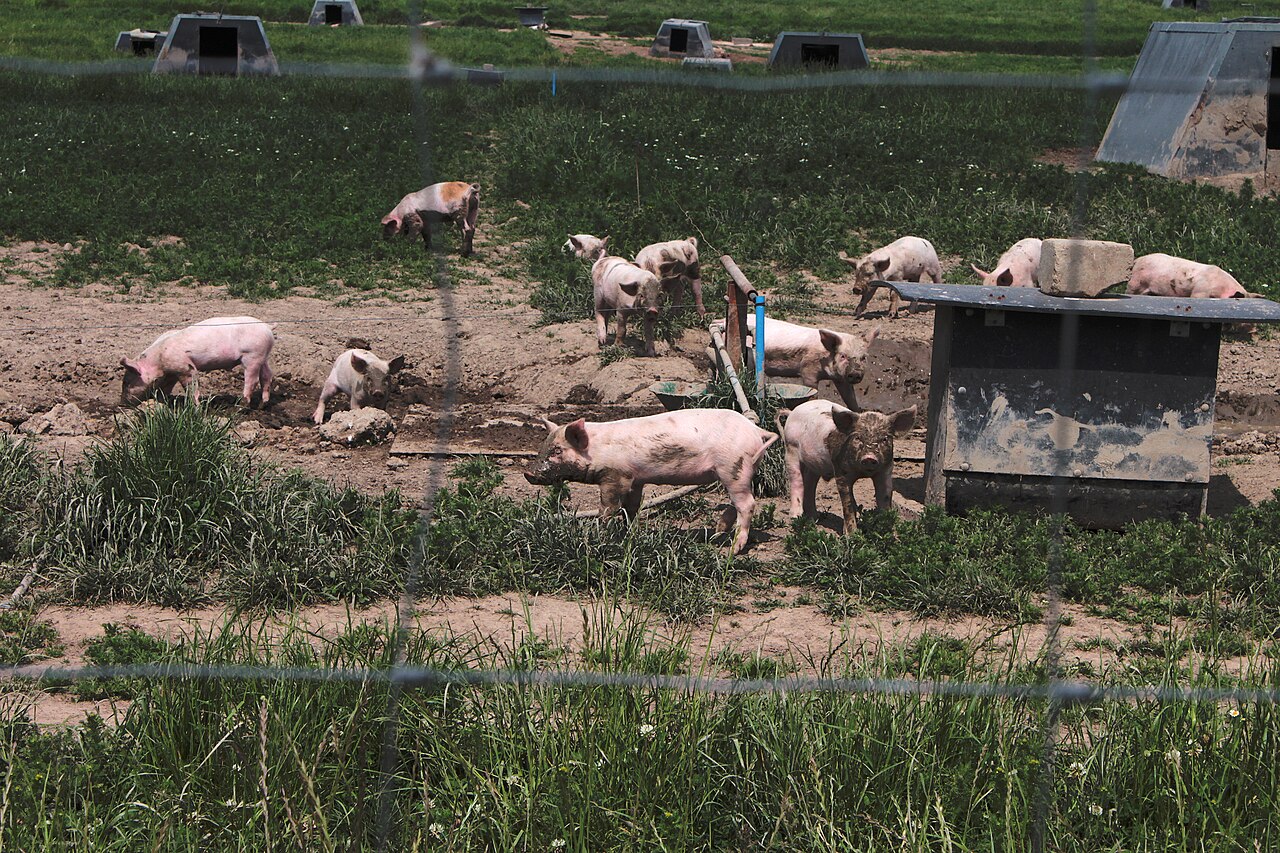
Denmark's coalition government has proposed reforms that would transform the country's pig industry, moving it away from exporting live pigs towards higher-welfare, higher-value pork, Pig World reports. The plans come as Danish producers face the lowest prices among major pig countries apart from the Netherlands: the Danish S-grade reference price has stood at about £1/kg since early August, 33p down since early June.
The stakes are large. Denmark had 12 million pigs in 2025, twice its human population, and produced 31.8 million pigs, with 85 percent of output exported to more than 140 countries; 876,000 tonnes of live pigs, mostly about 30 kg weaners, went to Germany and Poland. Pig production is nearly 30 percent of the country's agricultural value. The number of pig farms fell from 1,949 to 1,706 in a year, against 5,000 in 2010.
Prime Minister Mette Frederiksen, re-elected in April after what was dubbed the 'Pig Election', abolished the 130-year-old Ministry of Food, Agriculture and Fisheries. The proposals include phasing out tail docking by 2030, raising the minimum weaning age from three to four weeks, ending permanent confinement of sows in stalls by 2035, less long-distance transport, faster conversion to organic systems and a carbon tax on livestock by 2030. Since September, planning permission for new or bigger pig units has been frozen for 12 months.
A proposal to cut the legal nitrate limit in drinking water from the EU standard of 50 mg per litre to 6 mg per litre could sharply limit slurry spreading. A working group of government, farm, environmental and welfare representatives has six months to shape the plans, and the government has reportedly said it may force them through if no agreement is reached.
About 750 people from the industry met in June. Danske Svineproducenter chairman Jeppe Bloch Nielsen called the plans "crazy", and the association intends to challenge parts of the reform under EU law. Emil Madsen, who keeps 550 outdoor organic sows in northern Jutland, said lower nitrogen limits were "the biggest threat for all farmers" and that consumers who voted for change are not buying the dearer pork it produces.
AHDB analyst Adam Chowdry said any cut in Danish production could tighten pork supplies in Europe, including the UK, which gets more than a fifth of its pigmeat imports from Denmark.
The report was written by Alistair Driver for Pig World.
Photo: Sten Porse / Wikimedia Commons (CC BY-SA 4.0)
Source: Pig World
Comments
(0)