
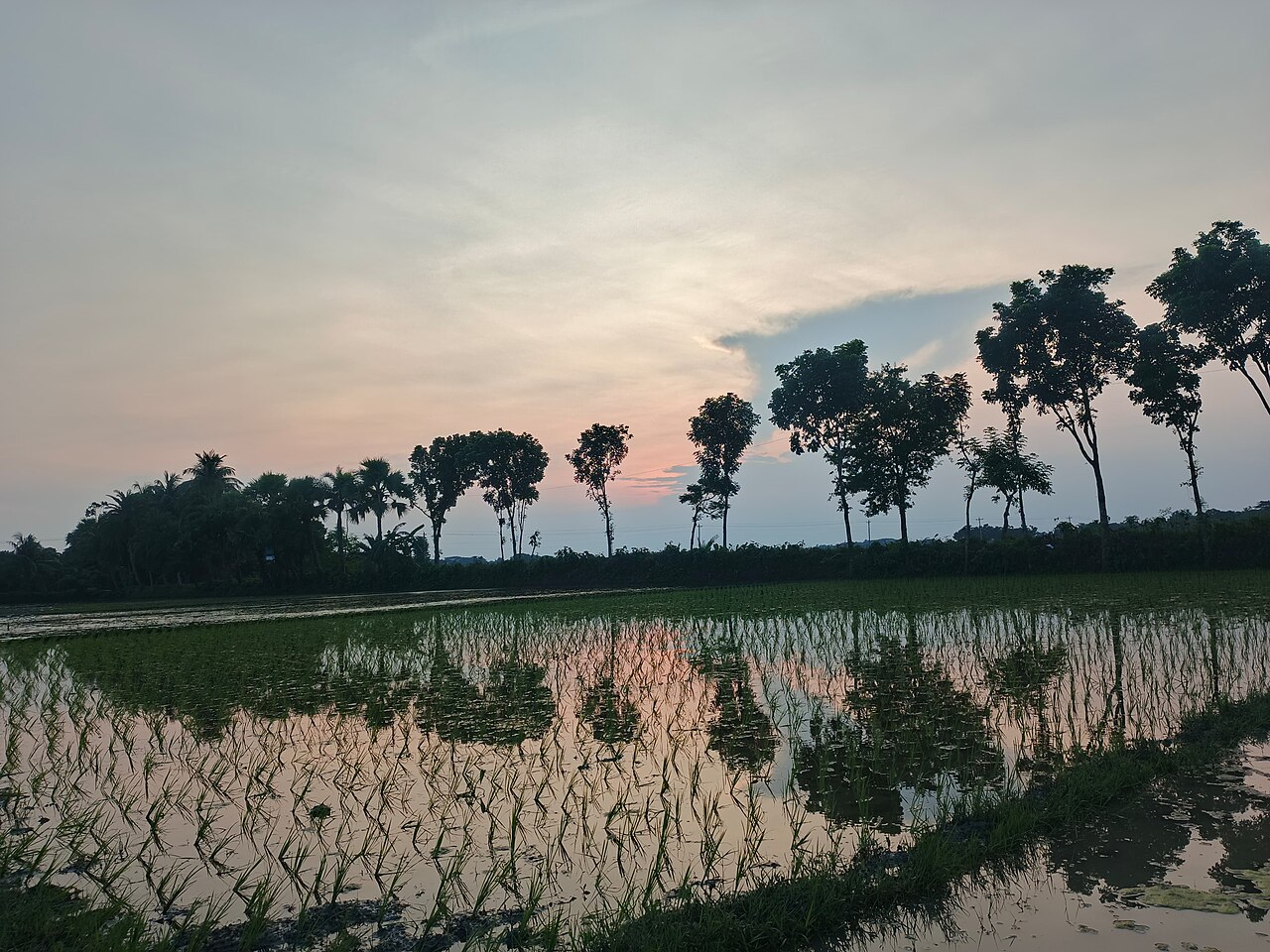
If rice farmers across Bangladesh placed urea super granules deep in the soil instead of broadcasting urea, the country could save about 600,000 tonnes of urea a year and about Tk 2,000 crore in fertiliser imports, according to an article by M Monir Uddin published in the Daily Sangbad on Monday (12 October) and reported by Agricare24.
The problem lies in the usual method. When urea is scattered over a field, a large share is lost before the rice plants can use it. Super granules are pushed 7 to 10 centimetres into the soil 7 to 10 days after transplanting. The nitrogen is released slowly from there, so the plants are fed over a longer period and the fertiliser works harder.
The article says deep placement can cut fertiliser waste by up to 30 percent compared with broadcasting. Because fewer top dressings are needed, farmers also save labour and money, and the method can help raise yields by increasing the number of tillers and panicles. Bangladesh uses a great deal of urea for rice every year, and much of it is imported.
The technology has not spread nationwide, however. In many areas farmers want the granules but cannot easily buy them. Past projects tried to expand their use, but weak supervision and supply chains meant use fell away, the article says.
Elenga Bazar in Kalihati upazila, Tangail, is an exception: farmers there have used super granules for a long time. In their experience the method means less buying and applying of fertiliser, less labour and cost for weeding, and a good rice harvest.
Using nitrogen more efficiently can also reduce greenhouse gas emissions, so the method could help protect the environment and cope with climate risk, the article notes.
It calls for field trials in different areas, more production and supply of the granules, training for farmers, and transparency and supervision in fertiliser production and distribution, and urges the government to act to cut farmers' costs, save foreign currency and spread more environmentally friendly rice farming.
Photo: MdRamjanAliWiki / Wikimedia Commons (CC BY 4.0)
Source: Agricare24
Comments
(0)