
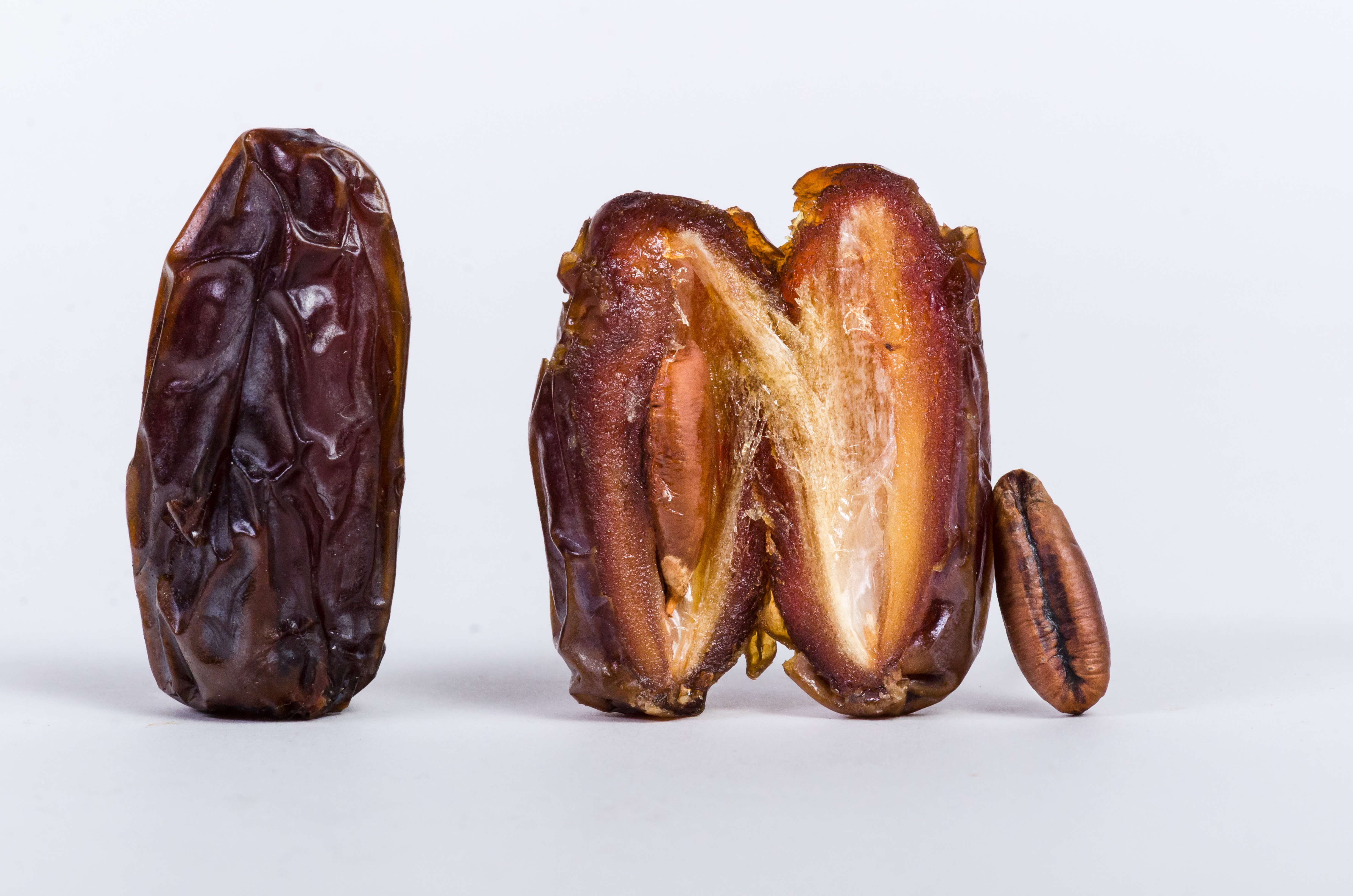
On 7 January 2026 the lifestyle section of the Bangladeshi news site Jagonews24 published a report on eating dates in winter. Citing nutritionists, it said that eating dates on an empty stomach on a winter morning, or with milk, gives energy for the day and helps digestion, and that three to five dates a day is enough. The report named the health website Healthline as its source. This article sets out what research and health bodies say about dates, and which of the claims could not be supported.
What dates contain
Dates are the fruit of the date palm, Phoenix dactylifera. A 2008 review by researchers at Cornell University in the journal Critical Reviews in Food Science and Nutrition, drawing on more than 80 references, found date flesh low in fat and protein but rich in sugars, mainly fructose and glucose. On average 100 g of flesh provides about 314 kcal.
The same review reported ten minerals in dates, chiefly selenium, copper, potassium and magnesium, and said 100 g of dates can provide over 15% of the recommended daily allowance of these minerals. B-complex vitamins and vitamin C are the main vitamins. Dates contain 8.0 g of dietary fibre per 100 g, mostly insoluble fibre, and are a good source of antioxidants, mainly carotenoids and phenolics.

Fibre, digestion and energy
The Jagonews24 report said fibre-rich dates aid digestion and that eating them regularly eases constipation. The high fibre content is confirmed by research. The UK National Health Service (NHS) advises people with constipation to increase the fibre in their diet gradually, drink plenty of water and other fluids, and eat a healthy balanced diet that includes fruit. It tells people to see a doctor if constipation does not improve, keeps coming back, or comes with blood in the stool or unexplained weight loss.
The report's point that the natural sugars in dates give quick energy matches the review's findings. However, no health authority advice or human study was found to support the claims that dates eaten on an empty stomach bring extra benefits, that they warm the body from within, or that they improve immunity, skin, memory, bones or blood pressure, so those claims are not repeated here.

Diabetes, weight and teeth
The original report warned that dates are high in calories and natural sugar, so eating too many can raise weight or blood sugar, and that people with diabetes should eat them only on a doctor's advice. Some research has looked at this. In 2011 researchers at United Arab Emirates University published in Nutrition Journal the glycaemic index (a measure of how fast a food raises blood sugar) of five date varieties. Tested on 13 healthy volunteers and 10 people with type 2 diabetes, the values for the healthy group ranged from 46.3 to 55.1, which counts as low. The authors found that eating the dates did not cause significant rises in blood sugar after meals in the people with diabetes, and said dates may be beneficial for them as part of a healthy balanced diet.
A 2016 study in the Annals of Saudi Medicine of 17 date varieties grown in Saudi Arabia found a mean glycaemic index of 55.2, with values ranging from 42.8 to 74.6 depending on the variety. Both studies were small, so people with diabetes should agree with their doctor or dietitian how many dates suit them.
The NHS counts about 30 g as one portion of dried fruit. It notes that dried fruit can be high in sugar and bad for teeth, and is best eaten as part of a meal, for example as dessert, rather than as a snack between meals. Anyone with a health condition should see a doctor before making a big change to their diet.

Photo: ORGANIChouse / Wikimedia Commons (CC BY-SA 4.0)
Sources: Jagonews24, Critical Reviews in Food Science and Nutrition (Al-Farsi and Lee, 2008), Nutrition Journal (Alkaabi et al., 2011), Annals of Saudi Medicine (AlGeffari et al., 2016), UK National Health Service (NHS)



Comments
(0)